
On this page
The game launches on August 6, 2026. Marvel Tōkon: Fighting Souls is developed by Arc System Works and published by Sony Interactive Entertainment, officially announced in June 2025 and scheduled to release for PlayStation 5 and Windows on August 6, 2026. If you’re wondering why some storefronts and friends abroad show a different day, that’s not a delay: Japan, Australia and New Zealand list the launch as August 7, 2026, purely because of local time zones lining up with the global rollout. The project is a collaboration between PlayStation Studios, Arc System Works and Marvel Games, and it’s Arc System Works’ first time building a full Marvel roster after years of anime fighters like Guilty Gear and Dragon Ball FighterZ.
TL;DR
- Confirmed launch: August 6, 2026 on PS5 and PC, with Japan, Australia and New Zealand seeing it on August 7 local time.
- The open beta (which just wrapped) included 16 of the 20 launch characters; Hulk, Carnage, Loki and Deadpool were held back.
- Three editions have surfaced: Standard, Digital Deluxe and Ultimate, each with different bonus content — pricing and exact contents are covered below with sourcing.
- Matches start as a 2v2 fight with a shared team health bar, then expand toward 4v4 as you lose rounds or hit mid-match triggers.
- The first confirmed Year 1 DLC additions are Phoenix and Cyclops, pulled from the Avengers vs. X-Men storyline.
How to Get It: Platforms, Regions and Storefronts
The game is on PlayStation 5 and PC. On PC that means Steam and the Epic Games Store, and PlayStation has confirmed cross-play between PS5 and PC. There’s no Xbox version announced anywhere in official materials, so treat this as a PS5-and-PC release only unless that changes. Pre-orders are already live through platform storefronts, and preorders are available now according to coverage tracking the game’s rollout. If you played the closed betas earlier this year, note that previous beta tests for the game were limited to PS5 consoles, but the July open beta was available on both PS5 consoles and PC via Steam and the Epic Games Store — the full release keeps that same PC/PS5 split, just with everything unlocked. The single-player side adds another wrinkle worth knowing: the game’s single-player story mode was written by Uncanny X-Men’s Kieron Gillen, which is a notable detail for anyone weighing the game on story content alone rather than just the roster.
Anyone who would rather not spend the evenings on it can hand Marvel Tokon: Fighting Souls boosting to our crew instead — same account, same progress, played by hand.
Why Combat Starts 2v2 and Grows Into 4v4
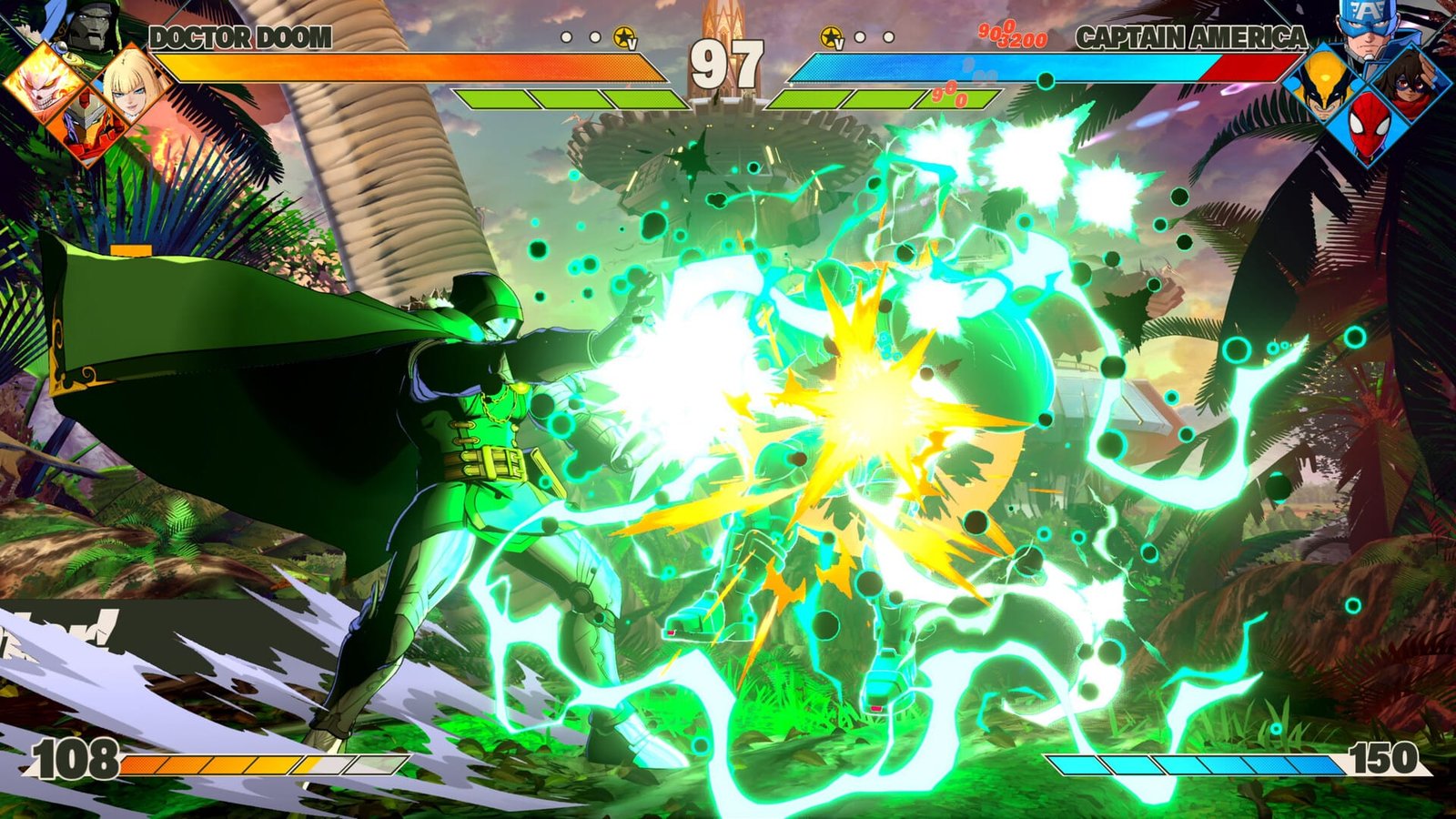
This is the part that trips up anyone expecting a Marvel vs. Capcom clone. Each match in MARVEL Tōkon is a fight between four-character teams, and players can call assists and tag in other fighters, but all four characters share a single health bar called the Vital Gauge, so when any of them takes damage it reduces your overall team health. You don’t get all four fighters at once, either. Your entire squad isn’t available right at the round start — the match begins as a 2v2 battle with your point character and first assist slot. The rest of your bench unlocks mid-fight: new characters become available when you drop a round, a built-in comeback mechanic, and you can also unlock fighters by hitting mid-match triggers such as a Wall Break that transitions to a different part of the stage. The payoff for actually filling out your team is mechanical, not cosmetic: your most damaging team hyper combo is only available when all four characters are unlocked and active.
Whether the shared-health approach is a good idea is genuinely split among people who’ve tried it. Tying the health bar to all four characters lets players learn one character and pick assists as they like, which is friendlier for casual players intimidated by learning four movesets. The trade-off is real too: it doesn’t reward smart switching or catching an opponent’s switch the way other tag team fighters do. Fights are also decided over multiple games, not one long round — Marvel Tokon Fighting Souls features 4v4 team battles played in a best-of-three format.
Note
You can ignore the pre-set lore teams entirely if you want. The game groups characters into thematic lore line-ups, but you have complete freedom to mix and match anyone from the roster to form your own team.
Editions and Pricing Compared
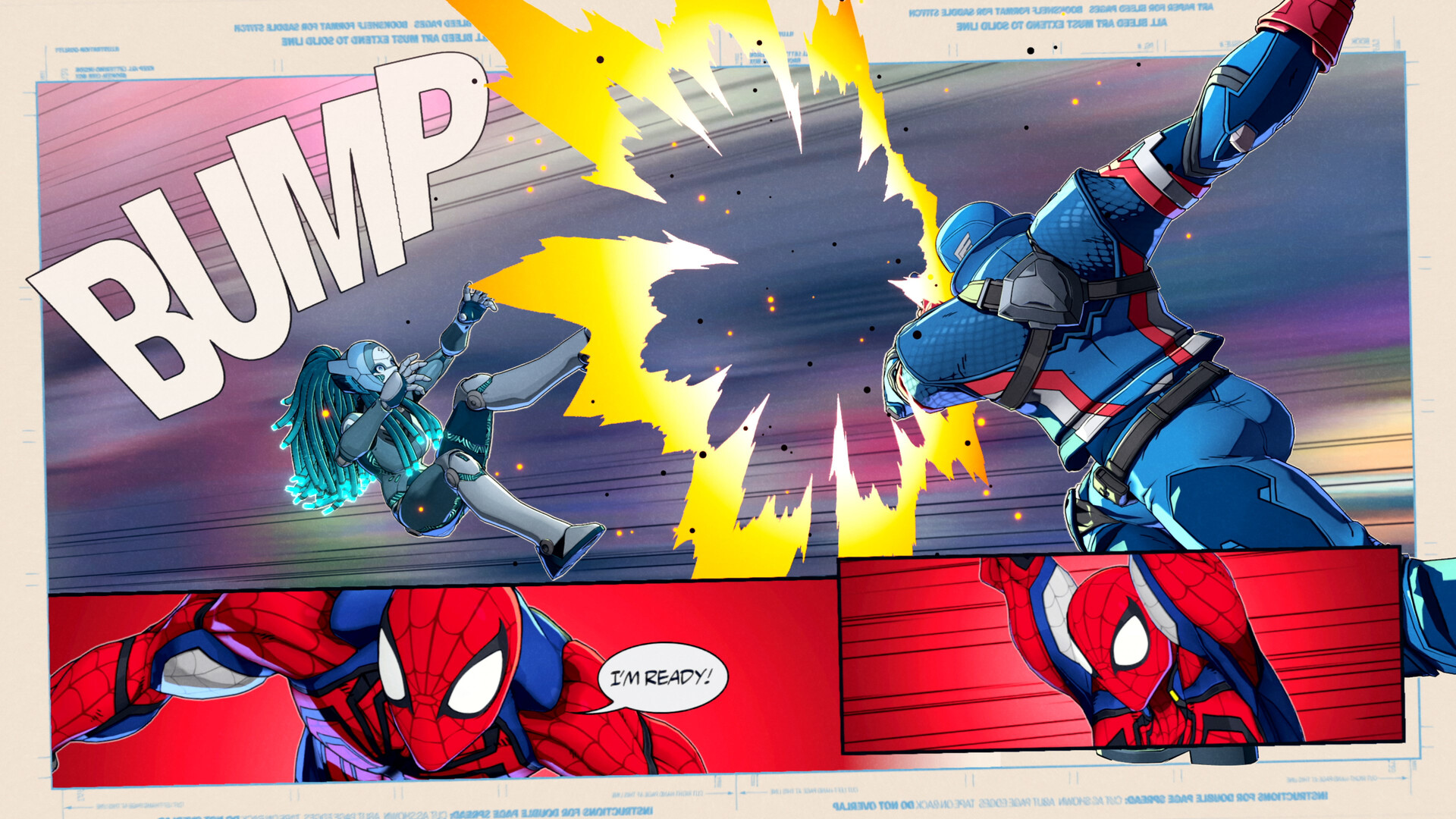
Three tiers have been confirmed publicly so far, tied to the February State of Play reveal. The base game is priced at $59.99 for the Standard Edition; a Digital Deluxe Edition at $84.99 includes the Year 1 Characters and Stage Pass along with lobby cosmetics, and the Ultimate Edition at $99.99 adds additional character colors, five character costumes, and all prior bonuses. Those five extra costumes aren’t random skins either — they add outfits for Storm, Captain America, Doctor Doom, Iron Man, and an Advanced Suit 2.0 costume for Spider-Man modeled on Insomniac’s Marvel’s Spider-Man 2. Pre-order buyers across editions are also getting lobby-only extras rather than gameplay advantages, based on regional storefront listings, so the differences between tiers are mostly cosmetic and DLC-timing related rather than pay-to-win.
| Edition | Price | What's Included | Best For |
|---|---|---|---|
| Standard | $59.99 | Base game, 20 launch characters, five teams | Players who just want day-one combat |
| Digital Deluxe | $84.99 | Base game plus the Year 1 Characters and Stage Pass and lobby cosmetics | Players committed to the full Year 1 roster |
| Ultimate | $99.99 | Everything above plus five character costumes and animated colors for all 20 launch fighters | Completionists and cosmetic collectors |
What the Open Beta Actually Showed
16 of 20: Who Was In, and Who Wasn’t
The beta included 16 total playable characters from the full game’s roster of 20. Players got access to 16 of the 20 launch characters, with the remaining four fighters unavailable until the full release: Hulk (Fighting Avengers), Carnage (Knights of Doom), Loki (Samurai Outriders), and Deadpool (Samurai Outriders). That’s a notably deep cut for an open beta, but it also means whole team compositions were untestable — the Avengers, for one, were missing their biggest brawler going into launch week.
Stages, Modes and Systems on Display
There were six playable stages, including Marvel’s New York in day and night versions, Savage Land, Wakanda, Knowhere, and X-Mansion, alongside game modes covering Casual Match, Ranked Match, Local Versus, Open Lobby, Training Mode, and a Start Up Battle tutorial. The beta window itself ran on a fixed clock rather than an open-ended window: the open beta started July 24, 2026 at 07:00 UTC and ended July 27, 2026 at 06:59 UTC.
What the Beta Didn’t Cover
The beta was multiplayer-focused — there’s no confirmation that the full Episode Mode story campaign, written with Kieron Gillen’s involvement, was playable during the test window. The five official teams (Unbreakable X-Men, Amazing Guardians, Fighting Avengers, Knights of Doom, Samurai Outriders) were also only partially represented, since the base roster splits 20 playable characters evenly across five teams — Unbreakable X-Men, Amazing Guardians, Fighting Avengers, Knights of Doom, and Samurai Outriders. Whatever balance impressions came out of the beta only reflect four-fifths of that lineup.
Warning
Don’t assume your local clock matches the global launch. Some regions land a full day later, so double-check your storefront’s listed time before planning a launch-night session.
Common Misconceptions About Marvel Tokon's Launch and Beta
Myth: The Beta Roster Locks In Launch Balance
It doesn’t. Sixteen characters were tested, four were not, and Arc System Works has weeks between the beta close and August 6 to adjust numbers based on what it saw. Any tier list built purely on beta data is, by definition, incomplete until the last four fighters are in players’ hands.
Myth: A Shared Health Bar Means There’s No Strategy
The shared Vital Gauge changes what strategy looks like rather than removing it. You’re not managing four separate health pools, but you are managing when to trigger a Wall Break, when to eat a hit versus tag out, and how to build toward the four-character hyper combo before your one shared bar runs out.
Myth: Everyone Gets the Same Release Time
Japan, Australia and New Zealand are listed with an August 7, 2026 release date rather than August 6, purely as a time-zone effect of a simultaneous worldwide launch. It’s not a staggered regional rollout, just a calendar quirk.
Step-by-Step: How to Get Ready for Marvel Tokon's Launch
Follow this sequence to get it done fast.
-
1
Check your local release time
confirm whether your storefront shows August 6 or August 7 before planning a launch-night block.
-
2
Pick an edition that matches your intent
Standard covers day-one combat, Digital Deluxe and Ultimate front-load Year 1 content and cosmetics you'd otherwise wait months for.
-
3
Watch for a preload window
the open beta allowed downloads roughly two hours ahead of servers going live, and a similar preload window was expected for the full launch, though Arc System Works never confirmed exact timing in advance.
-
4
Revisit the 16-character beta list
plan a team around fighters you actually tested, then treat Hulk, Carnage, Loki and Deadpool as unknowns until launch.
-
5
Bookmark the Year 1 DLC order
Phoenix and Cyclops are confirmed as the first additions, so factor that into whether Digital Deluxe's pass is worth it for you.
Our Take: Is the Launch Structure Actually Smart?
Our Take
The launch plan is unusually transparent for a first-party fighter, but the shared-health, 2v2-into-4v4 system is the real gamble here — not the release date.
Sony and Arc System Works did the beta rollout about as cleanly as a fighting game launch can go: a genuinely open, no-registration test, six stages, most modes live, and 16 of 20 characters in players’ hands a week and a half out from release. That’s a lot of exposure for a brand-new IP crossover, and it gives players real information instead of trailer promises. Holding back Hulk, Carnage, Loki and Deadpool feels less like a spoiler-management decision and more like Arc System Works wanting launch day to still have surprises — reasonable, if slightly frustrating for anyone building an Avengers or Samurai Outriders team around a beta that couldn’t show them their own missing pieces.
The combat system is the part worth sitting with before you buy. A single shared health bar across four characters is a genuinely different design philosophy from Marvel vs. Capcom’s per-character bars, and it lowers the entry cost for casual Marvel fans who don’t want to learn four separate movesets. Whether that trade-off holds up competitively is unclear at launch — you’re trading individual-character risk management for team-wide pressure management, and that’s the kind of thing that only gets properly tested once ranked play has real stakes behind it. If you liked the safety net of Marvel vs. Capcom’s recoverable sideline health, this system asks you to think differently, not worse.
Was this guide useful?