On this page
In Mistfall Hunter, the reason to fight another Gyldhunter almost never has to do with their loot — it’s about the Soul Threads they might be carrying, because those threads are what open the Soul Ferry, one of the four ways to leave a run alive. That single fact flips the usual extraction-genre logic: normally a kill happens because a fight got in your way, and whatever the loser drops is a bonus. Here, the kill can be the plan, because the body might be holding your exit. This guide covers where Soul Threads actually come from, what the Soul Ferry costs against the other three exits, when a fight is worth it, and what to do once your bag is already full and someone is clearly hunting you. Mistfall Hunter can change through balance patches and hotfixes, so verify exact tolls and spawn behavior against the current live build.
TL;DR
- Soul Threads drop from defeated rival Gyldhunters, and you need them to fund a Soul Ferry extraction — not to sell or hoard.
- The Soul Ferry is one of four exits, alongside the Returning Chime, the Returner Woodling route, and the no-combat Smuggler Woodling.
- Dying wipes everything you’re carrying — found loot and brought-in gear alike — except what’s stashed in Pip’s Pouch or your Keychain.
- Fighting for someone’s gear rarely pays off on its own; fighting because you need their Soul Threads to leave sometimes does.
- PvP behavior varies by patch and lobby — use these decision rules as a framework, not as an absolute meta.
Why Fight in Mistfall Hunter? Soul Threads, Not Loot
Soul Threads are a match-only item taken from a defeated Gyldhunter, and you collect two of them and hand them to the Ferryman to extract with everything in your bags. That’s the whole pitch: the Ferry isn’t a shortcut to more loot, it’s a shortcut to safety, funded entirely by beating other players. It sits alongside three PvE-leaning exits that don’t require touching another hunter at all.
| Exit | What triggers it | PvP involvement |
|---|---|---|
| Returning Chime | A Hallowgrove structure that summons a Woodling on demand | Low by default, but a known camping spot once the mist tightens |
| Returner Woodling | A roaming enemy on Brandrgarde that drops a Soul of Return on death | Low directly, but it's a public event other squads converge on |
| Smuggler Woodling | A no-combat emergency exit that limits what you can carry out | None — but you sacrifice part of the haul to use it |
| Soul Ferry | A PvP-funded exit that charges Soul Threads looted from rival Gyldhunters | Direct, by design — this is the PvP exit |
Not everyone has the evenings for this — Mistfall Hunter boosting covers the same ground with someone else on the keys.
Fastest Ways to Get Soul Threads (and What the Soul Ferry Costs)
Threads come almost entirely from killing other hunters. Each player needs two Soul Threads to use the Ferry, and they drop from defeating players and other random sources, which are described as rare. That means farming a specific loot pile for them isn’t really a strategy — you either win a fight against someone who’s holding threads, or you get lucky off a rare drop you can’t plan around. On Hallowgrove’s Chaos variant, the setup shifts slightly: there’s a Ferry extraction where you need to find Soul Threads as a match-exclusive item, and the normal Soul Tree extraction is still there but only one is available, which pushes more players toward the Ferry route by default. If you’re gearing specifically for that mode, the Chaos Mode gear requirements guide covers what you need before queuing in.
Class choice matters here more than most guides admit up front. A stealth-burst pick can pick a fight on favorable terms and disengage if it goes wrong, which changes the math on whether hunting threads is worth it at all — the best starting class comparison breaks down which archetypes actually support that playstyle.
| Method | Speed | Effort | Best for |
|---|---|---|---|
| Hunting squads near loot hotspots | Fast if you win | High — real PvP risk | Duos or trios with a burst class |
| Contesting a Returner Woodling fight | Medium | Medium | Solo players who ambush whoever shows up |
| Late-circle third-partying on Brandrgarde | Fast | High, unpredictable | Squads willing to gamble on a chaotic rotation |
| Ignoring the Ferry entirely | N/A | Low | Players who'd rather exit via Chime or Smuggler Woodling |
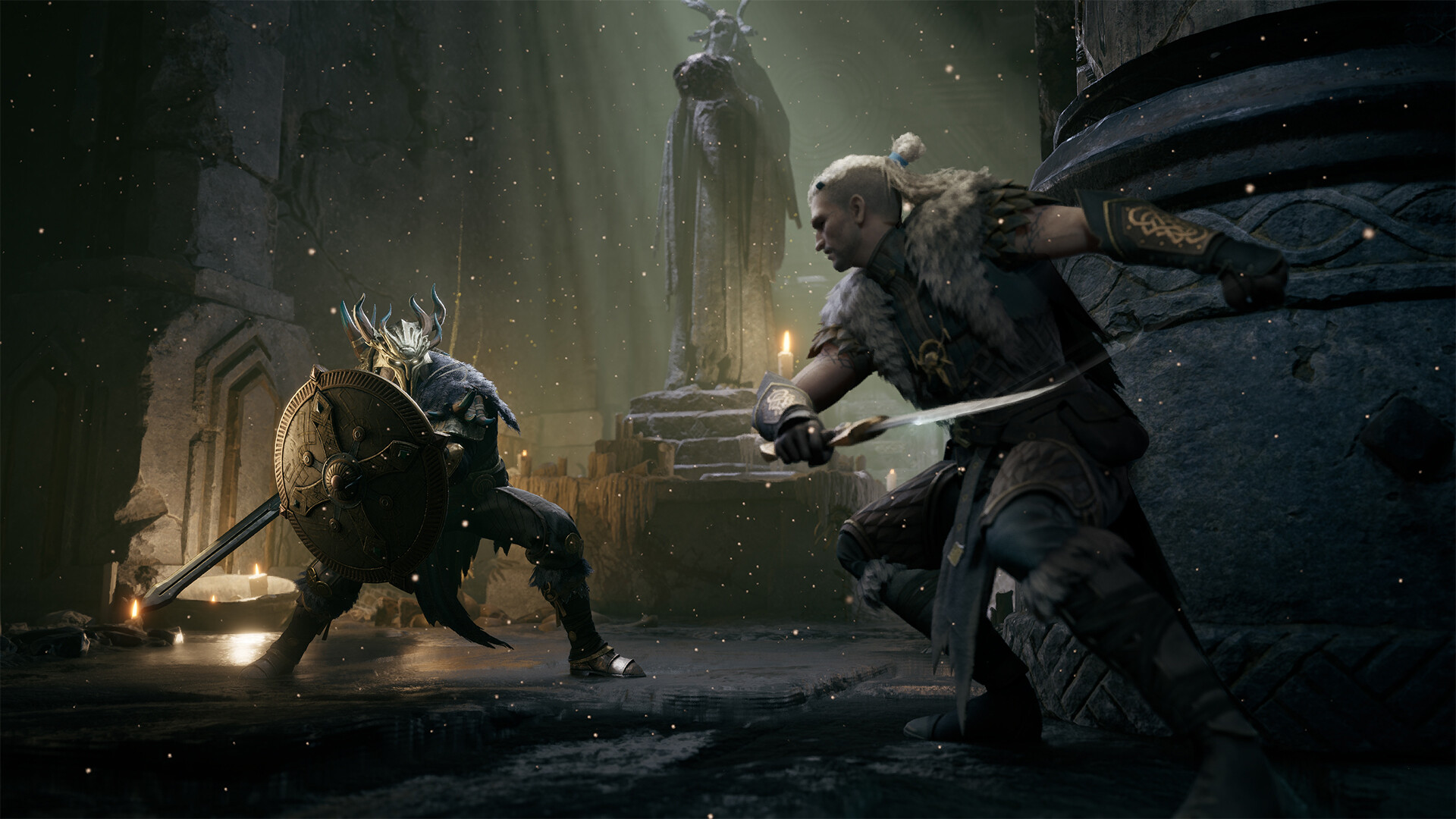
Fight or Walk Away? A Situation-by-Situation Breakdown
| Situation | Fight or leave | What you risk |
|---|---|---|
| You're loaded with loot, low on threads, near an active Ferry | Fight only if you can win clean | Your entire bag if you lose |
| Empty-handed, early in the run | Leave unless it's a guaranteed pick | Not much except time |
| Someone's already fighting a Woodling or boss | Third-party if you're confident | A second squad catching you mid-fight |
| You're spotted near your only known exit | Leave immediately if outnumbered | The exit itself getting camped |
| You hold rare gear with no Pouch space left | Avoid every fight | Everything — nothing here is protected |
| You need exactly one more thread and see a lone target | Fight — this is the core use case | Same downside, but the upside is a real exit |
The Price of Losing a Fight in Mistfall Hunter
Loot only becomes yours once you’re out. Escaping successfully lets you bring back everything you are carrying, which is the only way loot enters your warehouse. Death works the other way: if you die, you lose every item you carry, with the only exceptions being items sitting in Pip’s Pouch and your Keychain, which stay with you through a death. Even your starting loadout is on the line — your Combat Bag is consumed the moment you load into a map and only becomes yours permanently once you escape with it, so a failed run costs you the bag as well as the loot.
This is why a fight over gear rarely pays for itself: you’re risking a full run’s worth of Gyldenblod and finds against a payout that’s already sitting in someone else’s bag and not guaranteed to drop cleanly. If you’re grinding toward camp upgrades, that math gets worse — a wiped run is a wiped farming session, and the Gyldenblod farming routes guide is a better use of that risk budget than a speculative fight. A fight over Soul Threads is different, because the thing you’re risking loot for is the ability to keep the loot at all.
Warning
There’s no partial credit for a lost fight. Losing costs your Combat Bag, your equipped gear, and everything found that run in one shot — the only things you keep are whatever you already parked in Pip’s Pouch or on your Keychain.
| Item type | Survives death? | Note |
|---|---|---|
| Items in Pip's Pouch | Yes | Items above a value ceiling aren't eligible, and space is limited until expanded |
| Keychain items | Yes | Separate slot from your main inventory |
| Equipped weapons and armor | No | Weapons and armor cannot go in the pouch, so your gear is always at risk |
| Combat Bag loadout | No, unless already banked | Lost exactly as if the run never happened |
| Loot found this run | No | Only counts once you physically extract |
Signs You're Being Hunted in Mistfall Hunter
Mistfall Hunter does not provide a definitive list of player-hunting tells, so this section separates general extraction-genre awareness from confirmed mechanics. Watch for the same patterns that show up in every PvPvE extraction game: footsteps or sound cues that don’t match nearby PvE spawns, a player shadowing your loot route without engaging, or repeated near-misses around the same chokepoint as the map tightens. As the Gyldenmist closes in, Woodlings get harder to reach and track, and the shrinking map funnels everyone into the same few routes — which also means anyone tracking you has fewer guesses to make about where you’re headed. Before defeating the monster and summoning your extraction point, check the area, since campers like to wait at the extraction point and attack at the last moment.
Tip
If you haven’t upgraded Pip’s Pouch yet, do it before you need it, not during a chase. Camp upgrades like Pouch capacity are exactly the kind of investment that pays off the moment a fight goes wrong — the camp upgrades guide lays out what to prioritize first.
Step-by-Step: What to Do With a Full Bag Under Threat
Follow this sequence to get it done fast.
-
1
Check your nearest exits
glance at the map for the closest Returning Chime, an active Returner Woodling, or a known Smuggler Woodling before you decide anything else.
-
2
Load Pip's Pouch immediately
anything irreplaceable goes in now, since it's the one storage that survives a death.
-
3
Move off the obvious line
cut sound where you can and rotate away from the choke point instead of sprinting straight for the exit.
-
4
Decide fast whether to fight
only commit if you can win cleanly and it actually gets you Soul Threads you need, not just because someone's in range.
-
5
Use the Smuggler Woodling as a fallback
you'll lose part of the haul, but a partial extract beats losing all of it.
-
6
Bank and stop
once you've committed to leaving, don't detour for one more loot pile.
Common Misconceptions About Mistfall Hunter PvP
Myth: Every Kill Pays for Itself
Winning a fight doesn’t automatically make it worth having started. If the loser wasn’t holding Soul Threads and you’re now exposed, out of resources, or spotted by a second squad, the fight cost more than it returned — even though you “won” it.
Myth: Avoiding PvP Entirely Is the Safe Play
Skipping every fight isn’t neutral, either. The Returning Chime and Returner Woodling routes still put you in a public spot other hunters know to watch, and the Smuggler Woodling forces you to leave value behind. Avoidance has its own cost — it’s just a different one than a lost fight.
Myth: The Meta Is Already Figured Out
The PvP meta changes with balance patches and accumulated map knowledge. Class balance, exit routes, and common player habits continue to evolve, so any absolute rule should be checked against the current live build.
Our Take: Is Fighting Worth It in Mistfall Hunter PvP?
Our Take
Fight for the exit, not the kill feed.
The Soul Ferry is the one part of Mistfall Hunter’s PvP that actually rewrites the incentive to fight — it converts a kill into an exit rather than just a loot bump, and that’s worth building a run around when you’re stuck without another way out. What it doesn’t do is justify hunting players for their gear, because the math almost never works: you’re risking a full inventory against a payout that isn’t guaranteed and isn’t even the point. Until the playerbase settles into recognizable habits, the safest heuristic is the boring one — fight when you need threads to leave, not when a target just happens to be standing there.
Was this guide useful?
Mistfall Hunter services
Leveling
Character Boost 1-8
Character taken from level 1 to 8, any class · Covers the flattest stretch of the early game
Leveling
Character Boost 1-12
Character taken from level 1 to 12, the cap · Any class, chosen at checkout
Camp & Bundles
Camp Improvements
Camp upgrades worked through on your account · Permanent progress: it survives a bad run