On this page
Short answer: your character, level, talents and every camp upgrade survive a death. What you lose is whatever you were physically carrying into the Gyldenmist and did not extract with. That single line is the whole death system in Mistfall Hunter, and everything else in this guide is just working out the consequences of it.
The core mechanic works like most extraction games: dying to a monster or an enemy player means anything physically on your character (weapons, armor, backpack contents) is left behind on your corpse for others to loot. If you die during a run into the Gyldenmist, you will lose all the gear, weapons, and Gyldenblood you were carrying in your inventory at the time of death. But that loss is scoped tightly to what you carried in. Any items that you had previously stored in your personal warehouse or stash back at your base are safe and will not be lost.
The label attached to the game oversells the risk a little. Your character progression, talents, and camp upgrades remain, and the “permadeath” label applies to the risk of losing your loot, not your character, making it a high-stakes system where you never lose your progress. That distinction is the one most new players miss, and it is why the same death that feels like a disaster in the moment barely dents your actual account.
TL;DR
- Level, talents, skills and camp upgrades are permanent and death cannot touch them
- Carried gear, weapons and unextracted loot are wiped the moment you die or fail to reach an exit
- Items already banked in your Warehouse at camp are never at risk, no matter how a run ends
- The Scavenger Squad generates resources while you are logged off or doing anything else, with zero risk attached
- Warehouse expansion tends to pay back faster than a single combat upgrade because it protects everything you bring home afterward
| What | Stays or Lost | What This Means |
|---|---|---|
| Character level and XP | Stays permanently | Grinding levels is never wasted, even on a run that ends badly |
| Talents and unlocked skills | Stays permanently | Build investment compounds across every future run |
| Camp building upgrades | Stays permanently | Warehouse, Workshop and Scavenger Squad tiers never reset |
| Items in the Warehouse stash | Stays, immune to death | Anything banked before you queue is completely safe |
| Equipped gear, weapons, carried loot | Lost on death | This is the only thing actually on the table each run |
Gyldenblod
Gyldenblod delivered through the auction house
Why Experienced Hunters Bank Progress Instead of Gear
Once you accept that gear is temporary and everything else is not, the smart play stops being about squeezing every last item out of a run. Spending resources on a talent point, a level, or a camp upgrade is a purchase that never expires. Spending the same resources on an expensive weapon is a purchase that lasts exactly until your next bad fight or a failed extraction. That is why players with more hours in the game routinely walk out with a half-empty bag instead of chasing one more loot room, and it is a habit worth building early rather than learning after a costly run into Hallowgrove or Brandrgarde goes wrong.
Leveling up is the clearest example of a permanent investment that keeps paying out, which is part of why the jump covered in the Level 12 leveling milestone matters more long-term than any single gear drop you find on the way there.
Warning
PvP deaths are worse than PvE ones. PvP deaths are different from monster deaths: when another Gyldhunter kills you, you do not enter Soul Form recovery, and your carried loot can be taken by other players. Fighting another squad for no reason is the fastest way to hand someone else your run. The mechanics behind this are covered in more depth in the PvP and Soul Threads guide.
| Source of Progress | What It Secures | Requirement | Who It Suits |
|---|---|---|---|
| Camp building upgrades | Permanent stat and utility gains | Materials, sometimes Gyldenblood | Anyone playing more than a handful of sessions |
| Leveling and talent points | Permanent character power | XP from runs, regardless of outcome | Every player, solo or trio |
| Warehouse deposits | Loot that no death can touch | Extracting or depositing before queueing | Players sitting on valuable materials |
| Equipped gear and weapons | Combat power for the current run only | Auction House gold or crafting materials | Players who can afford to lose it |
Anyone who would rather not spend the evenings on it can hand Mistfall Hunter boosting to our crew instead — same account, same progress, played by hand.
Scavenger Squad: Passive Progress That Never Touches the Gyldenmist
Most beginners spend their first several hours assuming every ounce of progress comes from surviving a run. That is not true, and it is the single most underused system at launch. The Scavenger Squad is an idle deployment system that lets you send hunters out on missions that bring back scarce materials while you are doing something else, tied directly to how far you have upgraded your camp buildings, making it the closest thing this game has to progression that does not risk your gear.
You dispatch it through an NPC at camp rather than digging into a menu blind. Twig, who stands next to Pip at your camp, manages the Scavenger Squad, and talking to him opens the expedition menu where you pick a mission from the areas you have already unlocked through camp upgrades before the squad heads out on a fixed timer. Once that timer runs down you collect the haul, and you can dispatch the squad roughly once every hour, which makes it easy to build into a routine.
The payout is not just raw materials either. Deployments are one of the main ways to refill disposable loadouts, since Combat Bags let you drop into a raid without risking your own hard-earned gear, making them one of the most valuable resources in the game, especially during the early hours when your stash is still thin.
Combat Bags Are the Buffer Between You and Your Real Gear
There are multiple rarities to know. Launch systems emphasized Advanced, Pro and Elite Combat Bags as compensation tools, while Scavenger Squads are the ongoing way to refill Novice-tier bags while you learn. Treat them as expendable armor for early or uncertain runs rather than saving them for later.
Passive Doesn’t Mean Instant
Squad growth still gates itself behind your camp level, so a fresh Windrest camp will send shorter, thinner missions than one with several buildings upgraded. It is passive income, not a shortcut around building the camp itself.
Why Warehouse Upgrades Pay Off Before Combat Gear
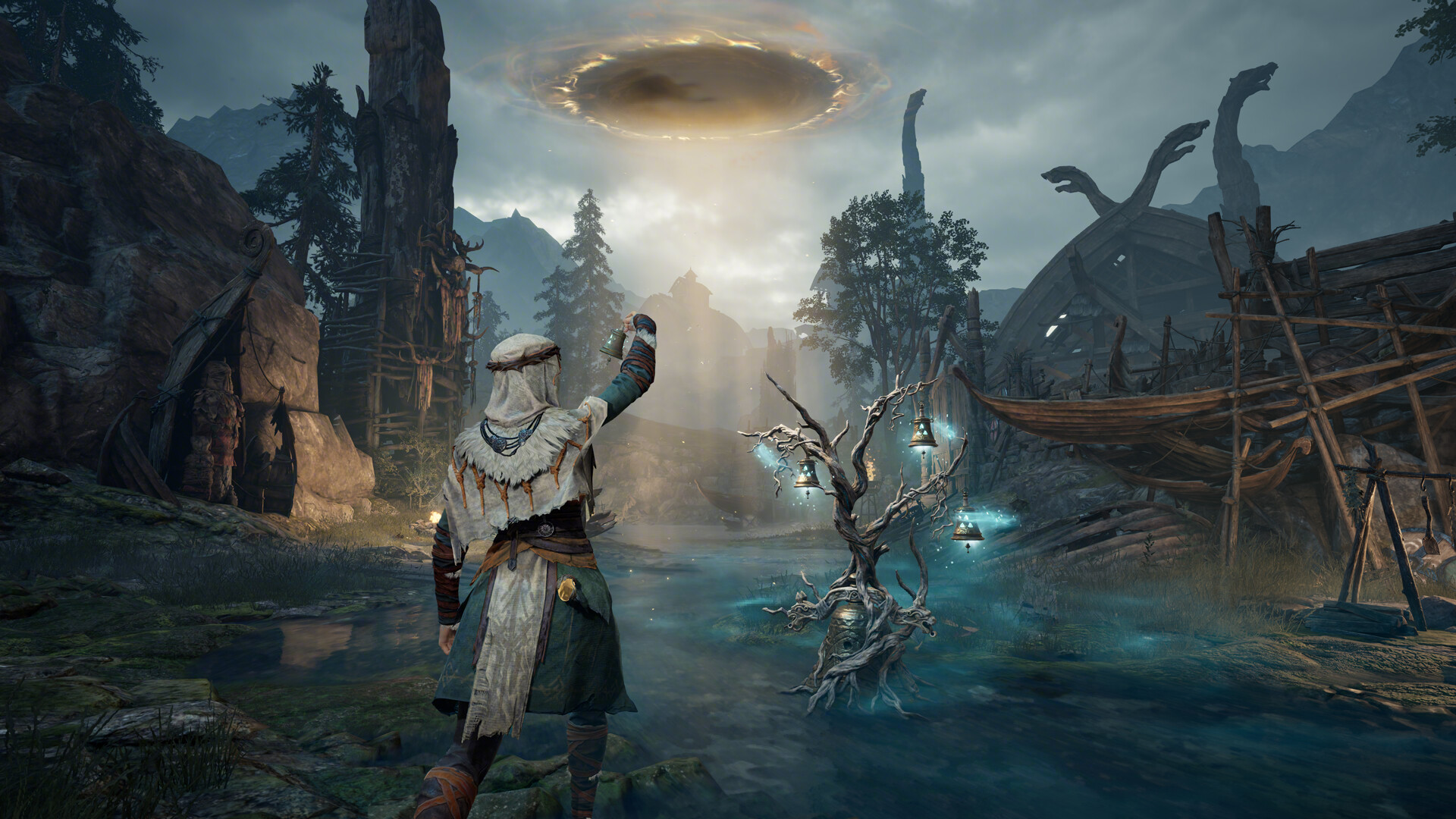
If camp investment is the better long-term bet, the Warehouse is the specific building that returns the most value first. The warehouse is your shared stash back at the Windrest camp hub, and it holds the gear, weapons, and materials you banked from earlier extractions, and because dying in a run wipes everything you carried in, the point of a warehouse visit is simple: nothing sitting in there can be taken from you.
Community testing of the early camp tree keeps landing on the same conclusion. The Warehouse gives the most consistent value early because every extra capacity point means more materials stored between runs, and by Level 4 you are sitting on 72 additional slots, which removes a lot of the inventory pressure that slows down new players. Confirmed figures put the growth at +24 storage per level from Level 2 through Level 4, and this holds even once you are running with two friends, since Warehouse stays first because three players farming into one shared stash fills it faster than any solo run ever will.
| Upgrade Path | What It Improves | Payback Speed | Best For |
|---|---|---|---|
| Warehouse | Storage capacity, safe stockpiling | Fast, benefits every future run | All players, solo or trio |
| Scavenger Squad | Passive materials and Combat Bags | Fast once camp level allows it | Players who log in and out often |
| Auction House | Buy and sell gear for gold | Medium, depends on market activity | Players sitting on duplicate loot |
| Combat-focused Auction House gear | Immediate power for one run | Slow, resets on the next death | Players who can absorb the loss |
Step-by-Step: Locking In Progress Before a Risky Extraction
Follow this sequence to get it done fast.
-
1
Deposit anything you can't afford to lose
move materials, spare gear and currency into the Warehouse before you queue, since nothing stored there is affected by death.
-
2
Check your Scavenger Squad status
talk to Twig, send the squad on any mission you haven't already dispatched, and let it run while you're in the mist.
-
3
Pull a Combat Bag instead of your best set
use a Novice or mid-tier bag for uncertain runs so your top gear never leaves the Warehouse.
-
4
Decide your extraction point before you fight anything
avoid optional PvP encounters, since a player kill skips Soul Form recovery entirely.
-
5
Extract the moment you're carrying more than you can replace
a mediocre haul banked beats a full inventory lost to one bad pull.
Common Misconceptions About Death and Loss in Mistfall Hunter
Myth: Dying Deletes Your Character
It doesn’t. Mistfall Hunter does not permanently delete your Gyldhunter, and death only affects your current expedition loot. The “hardcore” reputation comes entirely from the loot risk, not from any character wipe.
Myth: A Monster Kill and a Player Kill Cost You the Same
They don’t. Dying to the environment or a monster still gives you a recovery window, but a PvP death is strictly worse since another player can walk away with what you were carrying. That gap is a big part of why fights against other squads deserve more caution than fights against the map itself, a topic covered in more detail alongside boss encounters like the fight against Sálmar the Cursed Moonwane.
Myth: Quest Items and Keys Always Get Wiped Too
This one is murkier and worth a hedge. Some player reporting suggests Mistfall Hunter separates keys from your normal inventory, making them far safer than many players initially realize, but the developer hasn’t published a full, itemized list of exactly which item categories get this protection. Treat rare keys and quest items as valuable enough to extract carefully rather than assuming they’re automatically safe.
Wayfarer’s Purse
Enough coin and levels to stop scraping
Our Take: Is Chasing Loot Worth the Risk
Our Take
Extract early with mediocre gear before you push for one more room.
The math only works one way once you actually sit with it: gear you’re carrying is a wasting asset the second you queue in, while a level, a talent point or a camp upgrade is money in the bank forever. The developer describes the loss rules in plain terms rather than published percentages, so nobody outside the studio can tell you exactly how much of a stash a bad run costs you, and we won’t pretend otherwise. What’s confirmed is enough to plan around: permanent stuff never resets, temporary stuff can vanish in one fight, and the Scavenger Squad quietly builds your economy even when you’re not risking anything at all. Play the boundary, not the loot.
Was this guide useful?
Mistfall Hunter services
Leveling
Character Boost 1-8
Character taken from level 1 to 8, any class · Covers the flattest stretch of the early game
Leveling
Character Boost 1-12
Character taken from level 1 to 12, the cap · Any class, chosen at checkout
Camp & Bundles
Camp Improvements
Camp upgrades worked through on your account · Permanent progress: it survives a bad run