
On this page
Onimusha: Way of the Sword is out now: Capcom’s Steam listing and community post confirm the game released on Friday, September 4, 2026 (September 3 at 9:00 PM PDT for players in that timezone), on PS5, Xbox Series X|S, Nintendo Switch 2, and PC via Steam. This article explains what Capcom’s own store text and trailers actually confirm about the Oni Gauntlet — the artifact at the center of the whole game — and what is still genuinely unknown a few days after launch.
TL;DR
- Way of the Sword released September 3 – 4, 2026, moved up three weeks from an original September 25 date
- The Oni Gauntlet lets Musashi kill Genma and absorb their souls, converting them into a power source that enhances him
- That makes Genma souls the game’s real progression currency — but Capcom hasn’t published any cost numbers for what they buy
- Confirmed cast so far: Musashi, Sasaki Ganryu, Daidara, plus Genma siblings Capcom has named in its own posts
- No patch notes exist yet, and neither soul costs nor death-penalty rules have been confirmed
What the Oni Gauntlet Actually Does
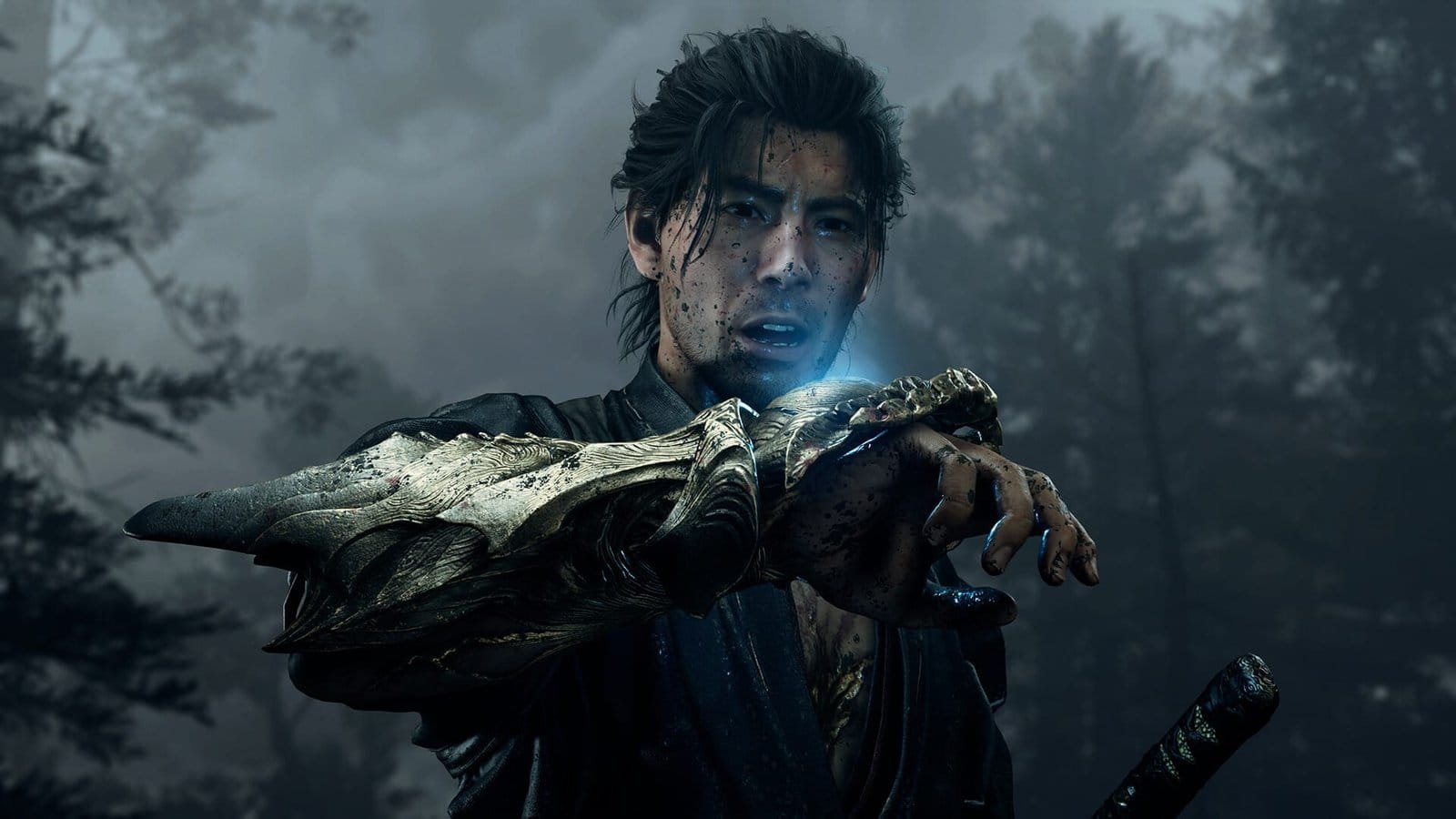
Capcom’s own store description is the cleanest answer to the literal question. The samurai wields the Oni Gauntlet, a mystical artifact that grants its bearer the power to slay Genma. That’s step one — it’s a weapon. Step two is the part that matters for anyone asking what to actually do with it: besides giving Musashi the strength needed to cut down the Genma, the gauntlet also holds numerous other abilities, such as being able to absorb Genma souls and convert them into a power source to further enhance its wearer.
That single sentence is why the souls matter more than any weapon pickup in the game. Capcom isn’t describing a cosmetic flourish — it’s describing the loop the entire combat system runs on. Musashi can absorb souls released by defeated Genma and use these supernatural resources to support his abilities, improve equipment, and strengthen himself throughout the adventure. Kill something, absorb what it drops, spend that on becoming stronger for the next fight. There’s no separate currency screen full of gold or crafting mats sitting alongside it in Capcom’s own framing — the souls are the currency. Soul absorption and the Oni Gauntlet are both concepts the series carries over from earlier Onimusha games, and Capcom designed this entry’s story so newcomers don’t need to have played them first.
Worth noting: the “Oni Gauntlet” isn’t a single fixed object across every version of the game either. Cosmetic variants exist — the Deluxe Edition’s bonus kit includes a Crimson Lotus Oni Gauntlet appearance alongside sword skins and outfits — but nothing in Capcom’s own text suggests the cosmetic variants change how absorption or the power-source mechanic functions.
Where the grind outlasts the interest, Onimusha: Way of the Sword boosting picks it up from wherever the account already stands.
What the Store Text Confirms vs What It Doesn't
Reading Capcom’s own listings against the trailers and demo posts gives a clean split between what’s actually locked in and what’s still guesswork floating around early guides. Here’s that split laid out plainly:
Warning
Nothing about the exact soul economy has been confirmed by Capcom yet — no upgrade costs, no death-penalty rules. Anything you read stating a specific number for what an upgrade costs is a guess dressed up as fact, not something Capcom has published.
| Claim | Source | Status |
|---|---|---|
| Gauntlet absorbs Genma souls and converts them into a power source | Steam / PlayStation Store text | Confirmed |
| Souls improve equipment and strengthen Musashi over the campaign | Press coverage relaying Capcom's own framing | Confirmed |
| Issen counters and soul absorption sit in the same core combat loop | Capcom demo announcement | Confirmed |
| An Oni Awakening form exists and was shown in a trailer | Capcom trailer | Shown in trailer |
| Souls are split into distinct color-coded types with separate uses | Circulating in early third-party guides, not in Capcom's own text | Unconfirmed |
| Exact soul cost of any specific upgrade or ability | None published | Unknown |
| Whether souls are lost on death | None published | Unknown |
How Soul Absorption Plays Out in Capcom's Own Footage
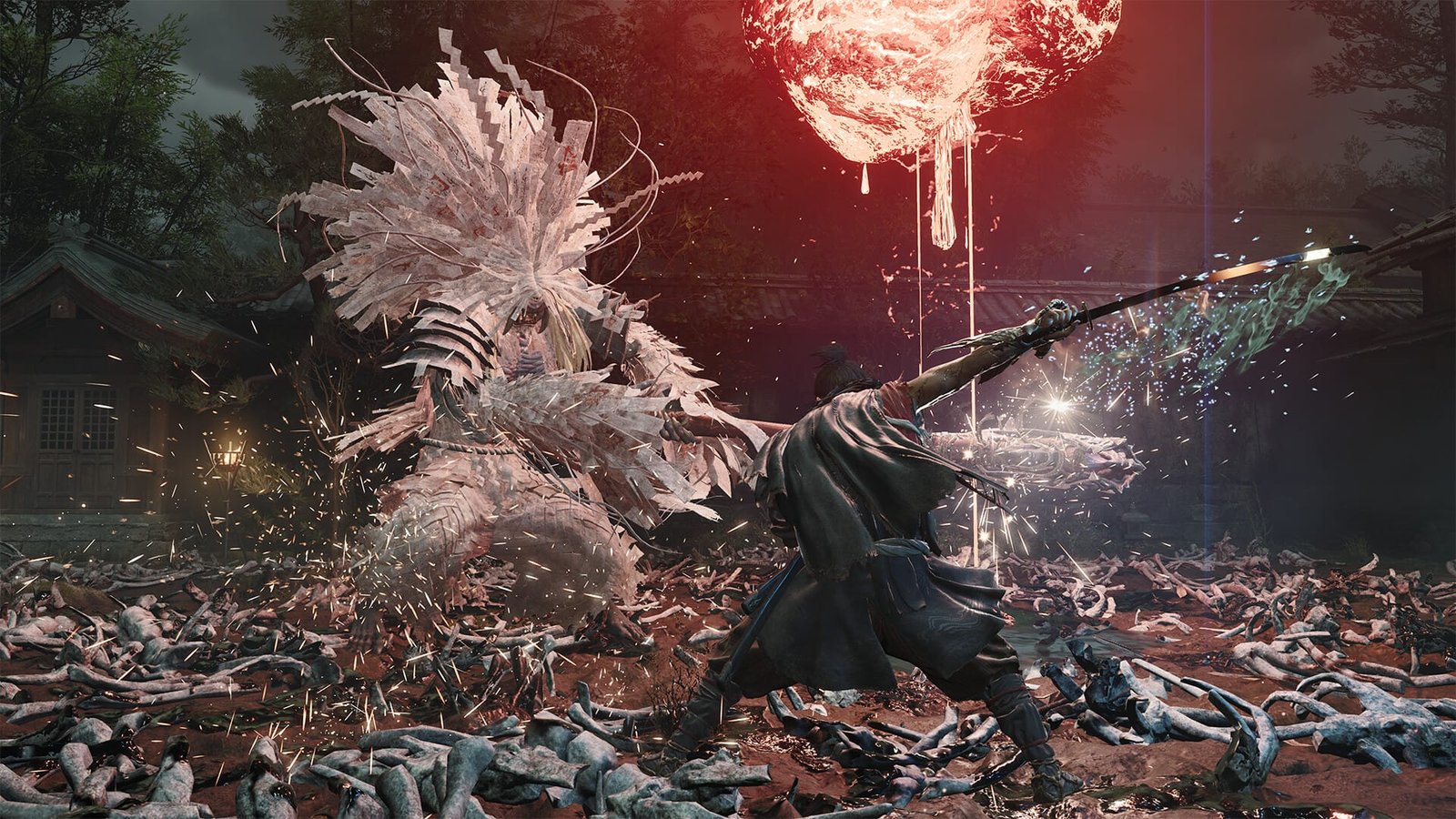
Outside of the store description, the clearest look at how this actually plays comes from Capcom’s own demo materials. The playable demo’s own pitch to players was direct: utilize parries, deflects, Issen, soul absorption, and an Oni Armament to fight your way through the Kiyomizu-dera Temple stage, and face Musashi’s formidable rival, Sasaki Ganryu. That’s four named systems working together in a single sentence — parries and deflects set up the Issen counter, soul absorption fuels the Oni Armament, and the Armament is what actually finishes the fight.
The demo teaches this entire loop across one stage, and Capcom sweetened the deal for players who stuck with it: players who hold on to their save data from the demo can claim a Kubi Akari charm for use in the full game. That’s a genuinely free, concrete reward tied to a save file — worth checking if you played the demo before launch and haven’t deleted it.
Beyond the demo, Capcom’s broader trailer material shows a second transformation state layered on top of ordinary soul absorption — an Oni Awakening form, distinct from the moment-to-moment Issen counter loop. Capcom hasn’t published numbers for how it’s triggered or sustained; what’s shown is a visual escalation of Musashi’s power mid-fight, consistent with the “power source” framing from the store page rather than a separate system running on its own currency.
The Named Cast and Bosses So Far
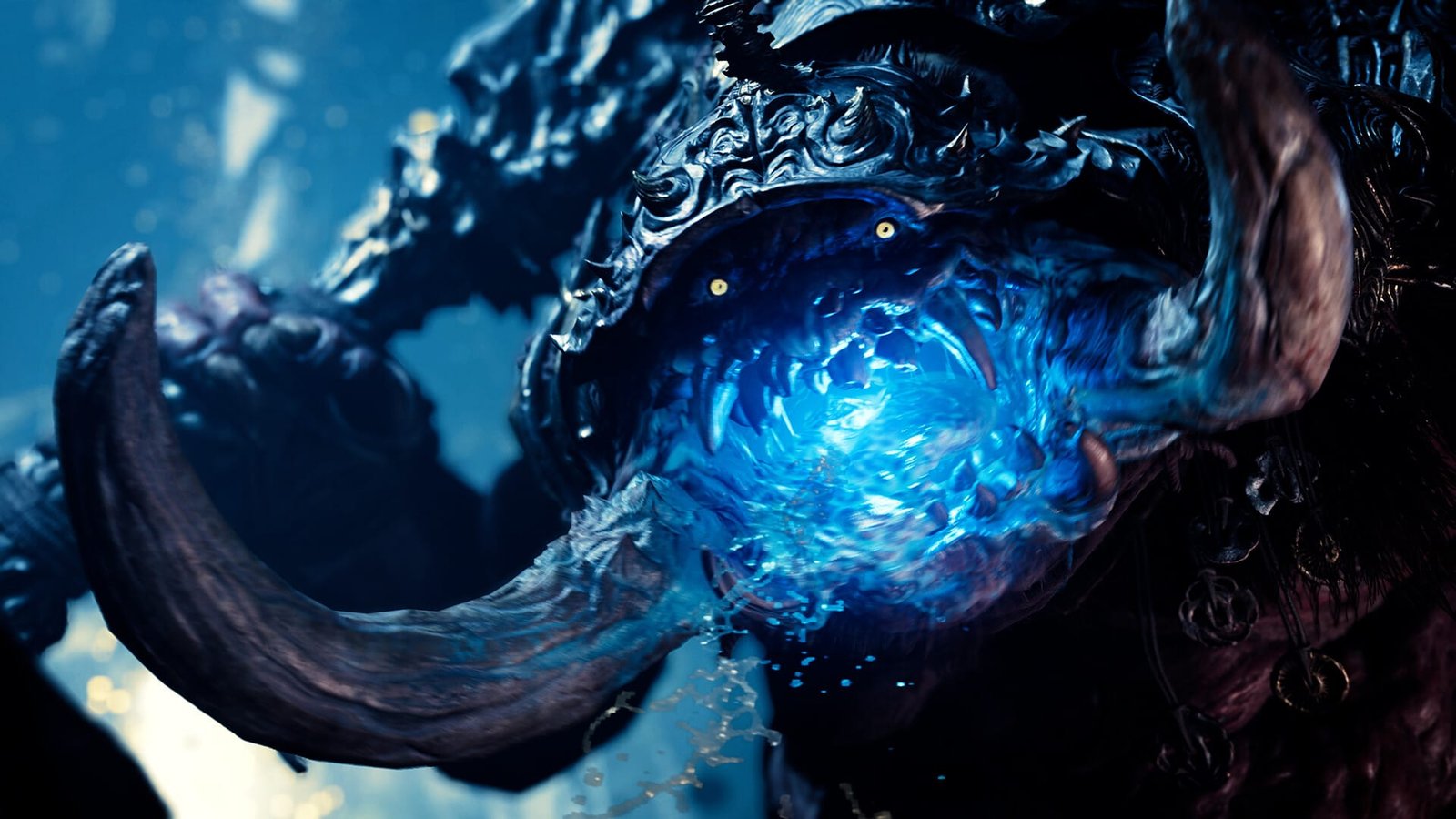
Capcom has been gradually naming who Musashi actually fights, spread across the store page, the demo, and its own social posts. Here’s what’s been named, and where it first showed up:
The story follows legendary swordsman Miyamoto Musashi, whose likeness is based on iconic Japanese actor Toshiro Mifune, and his journey changes when a mysterious Oni Gauntlet becomes bound to him. That’s a fairly unusual level of specificity for Capcom to volunteer about a face model, and it lines up with the game’s whole pitch of leaning on classic samurai-cinema iconography rather than inventing a generic anime hero.
| Character | Role | First named in |
|---|---|---|
| Miyamoto Musashi | Protagonist, Oni Gauntlet wielder | Steam / PlayStation Store page |
| Sasaki Ganryu | Rival duelist, demo boss | Capcom's demo announcement |
| Daidara | Additional demo boss | Press coverage of the demo (Game Rant) |
| Ifuu and Burai | Genma siblings, full-game opponents | Capcom's own demo-expansion post |
Your First Hours: What to Farm, What to Save, What's Still Unknown
If you’re picking the game up now, the honest checklist looks like this — split between what Capcom has actually confirmed you should do, and what nobody outside Capcom’s own balancing team has published yet:
On the length of that first playthrough: nobody at Capcom has published an official campaign-length figure. Early reporting puts a rough number on it — a modern take on swordplay-focused combat spanning 20 hours of gameplay — but treat that as a press estimate, not a Capcom-confirmed runtime. If that estimate holds, a player putting in a handful of evenings a week is looking at something like two to three weeks to see the credits, not a weekend clear.
On PC specifically, the game requires Windows 11, DirectX 12, at least 16 GB of RAM, and an SSD, with both minimum and recommended configurations listing 50 GB of available storage space. The PC version supports NVIDIA DLSS 4.5 and AMD FSR 3.1 Super Resolution, which matters if you’re deciding whether your rig can hold a steady frame rate through the heavier Genma encounters.
Tip
If you’re deciding between Steam and Epic on PC, know that preloading works differently between them — the game supports preloading on Steam, but Capcom has said preloading isn’t available on the Epic Games Store version.
| Category | What to do | Confidence |
|---|---|---|
| Genma souls in general | Absorb after every fight — it's the game's stated core loop, not optional flavor | Confirmed |
| Demo save data | Keep it if you played the demo, for the Kubi Akari charm carryover | Confirmed |
| Which specific soul type to prioritize early | Unknown — Capcom hasn't published a breakdown of soul types or their individual uses | Unknown |
| Whether to stockpile souls before a boss vs. spend immediately | Unknown — no confirmed death penalty or decay mechanic published | Unknown |
The Honest Gaps: No Patch Notes, No Progression Numbers
Launch week is genuinely thin on hard numbers, and it’s worth saying so plainly rather than papering over it. Capcom has not published a soul-to-upgrade cost table, has not confirmed whether souls carry a death penalty, and no patch notes existed as of the days immediately following release — meaning any claim about balance changes or fixes right now is either speculation or premature. The demo’s own pitch line about combat systems is solid ground; the specific economy sitting underneath it is not yet public.
That gap also sits alongside a genuinely crowded release week. Capcom’s decision to move its date up three weeks put Way of the Sword launching close to other high-profile releases rather than clear of them — a timing collision worth reading about if you’re deciding which game to prioritize first, which is covered separately in a launch-week reviews comparison against The Blood of Dawnwalker. This article will get updated once Capcom actually publishes soul costs, a death-penalty confirmation, or a first patch — until then, the honest answer to “how much does an upgrade cost” is that nobody outside Capcom knows yet.
Our Take: Is the Gauntlet a New System or a Familiar One with New Paint?
Our Take
The Oni Gauntlet is doing exactly what Onimusha games have always done — kill things, absorb the souls, get stronger — and Capcom isn’t pretending otherwise.
What’s actually new here isn’t the mechanic, it’s how upfront Capcom has been about naming it as the whole loop rather than one system among several. That’s honest design, but it also means the game is only as good as the numbers sitting behind that loop, and those numbers aren’t public yet. Coming into launch week with the mechanic confirmed but the economy blank isn’t unusual for a Capcom release — it’s just worth knowing you’re buying the confirmed half of the picture, not the whole one, until the soul costs actually surface.
Sources and Confidence
This table separates what the studio has confirmed from what comes out of press previews, and what is still just circulating. Every link below was fetched before publishing.
| Claim | Where it comes from | Status |
|---|---|---|
| Store text: Oni Gauntlet is an artifact granting the power to slay Genma | Steam store page (Capcom) | Official |
| Gauntlet also absorbs Genma souls and converts them into a power source | PlayStation Store concept page (Capcom) | Official |
| Release was moved from September 25 to September 4, 2026 | PC Gamer | Official |
| June’s State of Play originally set the release date at September 25, 2026 | GameWatcher | Official |
| Musashi’s likeness is modeled on actor Toshiro Mifune | KeenGamer | Official |
| Early reporting estimates the campaign at 20 hours | Game Rant | Unconfirmed |
Was this guide useful?