On this page
No, not by design and not by Ubisoft’s own rules: you cannot walk into the store and buy weapons, gear, abilities, or stat upgrades that make your agent stronger than someone who spent nothing. What you can buy is convenience — faster progression, more inventory space, and cosmetics — which is a different thing from power, even if the line between the two gets blurry in practice. This guide breaks down exactly what the store sells, what it doesn’t, and where the Dark Zone complicates the whole conversation. The Steam launch itself and what carries over from mobile are covered in a separate guide.
TL;DR
- Ubisoft’s official stance: no direct purchase of weapons, gear, abilities, or advantage-granting upgrades.
- Money buys time savings — Battle Pass tiers, inventory slots, crafting speed, currency drips, and cosmetics.
- Dark Zone PvP runs on normalized stats, so a spender’s gear score doesn’t automatically win fights.
- Some skins and apparel sit in the shop but are only obtainable through Cosmetic Draws, not a direct buy button.
- Community sentiment is split between “nobody buys power” and “the grind gap still feels unfair.”
What's Actually in the Resurgence Store
The Division Resurgence is free-to-play, and the shop layered on top of it sells a mix of a seasonal Battle Pass, a subscription-style bundle, one-time milestone bundles, and cosmetics. The seasonal pass is called the Classified Ops Pass, and it runs on the familiar free-track-plus-paid-track structure most live-service shooters use now. Alongside it sits a recurring subscription option and cosmetic offerings — apparel sets, weapon skins, and vanity items tied to specific visual themes rather than stats.
All purchases are character-bound, not account-bound, which matters if you’re thinking about starting a second agent on a different server — that second character starts from zero regardless of what you bought on the first. None of this changes how strong your gear actually is; it changes how fast you get there and how your agent looks while doing it.
Ubisoft's Official Position on Pay-to-Win
Ubisoft addresses this directly in the game’s own help center, and the wording is unambiguous. Ubisoft states its focus is to keep the game fair and balanced, that players will not be able to directly purchase weapons, gear, abilities or upgrades that grant an advantage, and that all players should be able to compete and enjoy Resurgence whether or not they have purchased anything in-game. That’s the official line, and it’s specific enough to be checked against what’s actually for sale — which is why this article separates that policy from what players report experiencing.
The store’s relationship with cosmetics is also spelled out officially rather than left to guesswork. Some apparel and weapon skins can only be obtained through Cosmetic Draws, meaning an item can be visible in the shop window without a straightforward “buy now” path — it’s gated behind a separate system instead. Ubisoft has also confirmed that players who spent real money during previous test phases will receive compensation at launch on the same Ubisoft Connect account, which at least suggests the studio is treating pre-launch spending as something owed back to players rather than a sunk cost.

What Real Money Actually Speeds Up
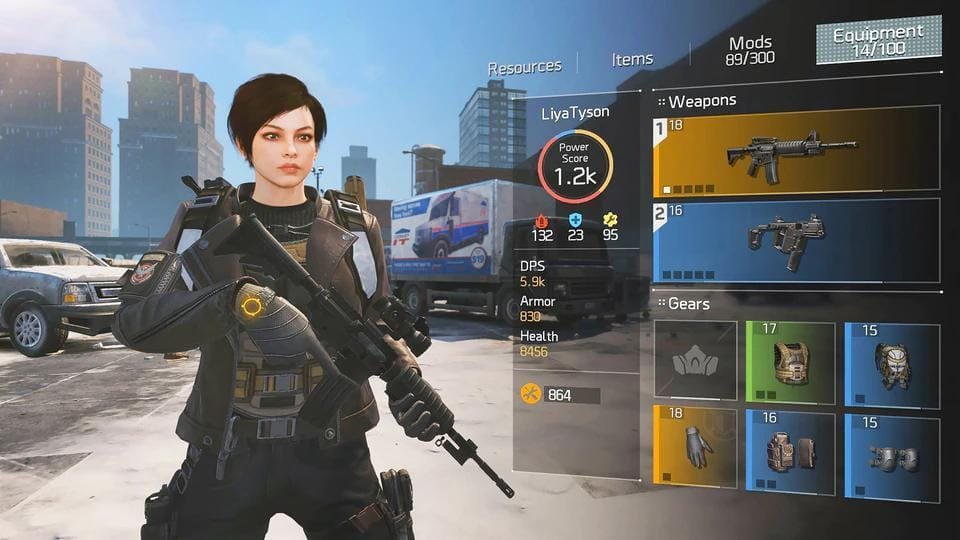
Being clean on the “no direct power purchase” front doesn’t mean money does nothing. It does plenty — it just aims at time, not stats. The Classified Ops Pass is the biggest lever: a Classified Ops Pass offers 50 tiers of rewards across free and Premium tracks, and progressing through it by completing in-game activities and earning Battle Pass XP unlocks new gear over time. Buying the premium track doesn’t grant gear directly — it unlocks the second reward lane, which you still have to earn through play, just with better prizes waiting at each tier.
The pass has also handed out early exotic weapons in past seasons — one phase featured the Warlord Assault Rifle, a confirmed exotic weapon obtainable early through the pass and leveled up alongside the character rather than as a one-time stat boost, while a later phase’s free track featured a different exotic entirely. Exotic rewards rotate season to season, so treat any specific weapon name as tied to that particular Classified Ops Pass cycle, not a permanent fixture.
Beyond the pass, a monthly subscription-style bundle exists too: Warden Field Supplies grants daily Phoenix Credits, 30 extra inventory slots, and a 40% reduction in crafting times. None of that is a stat upgrade — it’s storage space and a faster crafting queue, the kind of quality-of-life purchase that shows up in most live-service economies. There are also One-Time Level Bundles that appear after hitting specific campaign milestones and offer strong material value for their price, which again feeds crafting and upgrade materials rather than handing over finished top-tier gear.
Where the grind outlasts the interest, The Division Resurgence boosting picks it up from wherever the account already stands.
Store Items at a Glance: Does It Affect Power?
| What's sold | Affects raw power? | Who it actually matters to |
|---|---|---|
| Classified Ops Pass (premium track) | Indirect — unlocks a better reward lane you still have to earn | Players who play regularly and want better tier rewards |
| Warden Field Supplies subscription | No — inventory space and crafting speed only | Players juggling a lot of loot or crafting often |
| One-Time Level Bundles | Indirect — upgrade materials, not finished gear | Players hitting a campaign wall mid-progression |
| Apparel and weapon skins | No — cosmetic only, some locked behind Cosmetic Draws | Players who care about appearance, not builds |
| Direct weapon, gear, or stat purchase | Does not exist per official policy | Everyone — this is the actual pay-to-win test, and it's a no |
Is the Dark Zone Pay-to-Win? Why PvP Raises the Stakes
The Dark Zone is where the pay-to-win question gets sharper, because it’s the one place where your gear directly threatens someone else’s progress. It’s a PvPvE extraction mode: you can turn Rogue and attack other players to steal their loot, entering alone or with a team to extract high-end gear while fighting both NPC factions and other players. Loot you pick up is contaminated and has to make it out alive — loot is stored in a separate inventory bag with a limit of nine items, and contaminated items have to be extracted before they become usable, and the whole session runs on a clock: each Dark Zone session is capped at 20 minutes, and you must either extract your loot or exit the zone before the timer expires.
The mechanic that actually protects the mode from being pay-to-win is stat normalization. PvP attributes are normalized so base stats are adjusted toward a level playing field, though gear talents and skill choices remain vital. Put plainly: because of normalized PvP attributes, tactical skill and build synergy matter more than raw gear score, and a well-played lower-level agent can beat a higher-level player who’s out of position. A whale with a maxed-out inventory doesn’t auto-win a Dark Zone fight against someone who plays smart. The structured Conflict PvP mode works the same way — teams capture and hold objectives, and player power is normalized while weapon talent bonuses are preserved.
Warning
If you die while flagged Rogue, you lose a significant amount of Dark Zone XP and drop all your contaminated loot, and the player who kills you gets rewarded for it — that risk exists for every player equally, spender or not, and it’s the real progression tax in the Dark Zone, not the shop.
There’s still a currency layer inside the zone itself: you can earn up to 10,000 DZ credits per week, spent at a Dark Zone vendor in the Base of Operations that sells high-end gear rotating daily. That gear is earned through play, not bought with real money, so the zone’s power curve stays tied to time-in-mode rather than wallet size.
Common Misconceptions About Resurgence Monetization
Myth: seeing a weapon skin in the shop means you can just buy it
Not always true. Some apparel and weapon skins can only be obtained through Cosmetic Draws even though they’re visible in the store — the listing isn’t a direct purchase button, it’s a preview of a random-draw pool.
Myth: the Battle Pass sells finished gear
It sells access to a better reward track, not the rewards themselves. Progress through the pass by completing in-game activities and earning Battle Pass XP — buying premium doesn’t skip the playing part.
Myth: Dark Zone gear score decides every fight
Normalized PvP stats mean it doesn’t. Tactical skill and build synergy outweigh raw gear score in normalized PvP, so a spender isn’t guaranteed a win just from having a fatter inventory.
Step-by-Step: How to Check If a Store Item Crosses the Line
Follow this sequence to get it done fast.
-
1
Read the item description literally
look for language about stats, gear score, or attributes versus language about materials, XP, or cosmetics.
-
2
Check if it's also earnable for free
most Battle Pass gear exists on the free track too, just slower or with fewer cosmetic extras.
-
3
Look for a Cosmetic Draw tag
if a skin or apparel piece is tied to a draw system rather than a flat price, it isn't a direct purchase.
-
4
Cross-check Ubisoft's official monetization FAQ
the help center spells out what's excluded from direct sale, and it's the most reliable source over forum claims.
-
5
Consider whether it's a time-save or a stat-add
inventory slots, crafting speed, and currency drips are time-saves; anything that changes your Power Score directly would be the actual red flag, and none of the current offerings do that per policy.
Community Opinion vs Official Policy
It’s worth separating what Ubisoft says from what players actually feel while grinding, because they’re not the same conversation. Officially, the answer to pay-to-win is settled — no direct advantage purchases, full stop. Community reaction to the surrounding systems is messier. One App Store review summed up a common frustration around crafting RNG and gear availability rather than direct purchases, saying the game is “worth a play but not worth the stay” due to drop rates and player dropout concerns unrelated to the shop itself. Ubisoft’s own developer response to that same review acknowledged the underlying issues directly, noting the team appreciates player feedback and recognizes challenges with bugs, item availability, and mechanics. That’s a useful distinction: the loudest player complaints tend to target grind and RNG pacing, not a pay-to-win storefront, which lines up with the official policy holding even when the surrounding progression loop frustrates people.
Our Take: Is Resurgence Pay-to-Win in Practice?
Our Take
Not pay-to-win by the letter of the policy — but pay-to-progress-faster is real, and that distinction matters more in a live-service game whose seasons run about four months — Season 2 lands in August, Season 3 in December.
The official policy checks out against what’s actually on sale: a Battle Pass that still requires playing, a subscription that saves time on crafting and storage, one-off material bundles, and cosmetics gated behind their own draw system. None of that hands anyone a finished top-tier weapon they didn’t earn. Where it gets murkier is the pacing effect — someone paying for the premium pass track and the crafting-speed subscription is going to hit endgame content and Dark Zone readiness measurably sooner than someone grinding both tracks for free, even if the ceiling is identical for both.
That gap is the actual product Ubisoft is selling: not power, but a shorter runway to it. Worth being straight about it: that is the same thing anyone selling a boost is selling, ours included — time, not an advantage you could not otherwise earn. Whether either is worth it depends entirely on how much time you have versus how much you’re willing to spend closing that gap — a fair question for anyone deciding whether to install a free-to-play Ubisoft title in the first place, and one the official help center at least answers honestly instead of dodging it.
Was this guide useful?
The Division Resurgence services
Leveling
Character Leveling 1-40
Your agent taken from 1 to 40 · Full campaign progress on the way up
Missions & Activities
Dark Zone Escort
The Dark Zone run with you rather than for you · You keep the controls and the party keeps you alive
Builds & Support
Build Setup — Your Specialization
A working build assembled for the specialization you play · The reasoning written out, not just the item list