On this page
Team-Ups are Marvel Rivals‘ signature comp mechanic: pairing specific heroes together to unlock bonus abilities that neither hero gets on their own, and as of the current season, every hero in the game carries two of them into every match. This guide covers how activation actually works after the big rework, which pairings are worth planning your hero pick around, and when forcing a combo does more harm than good to your comp. We’ll name the current season up front and flag anywhere the system might keep shifting under balance patches.
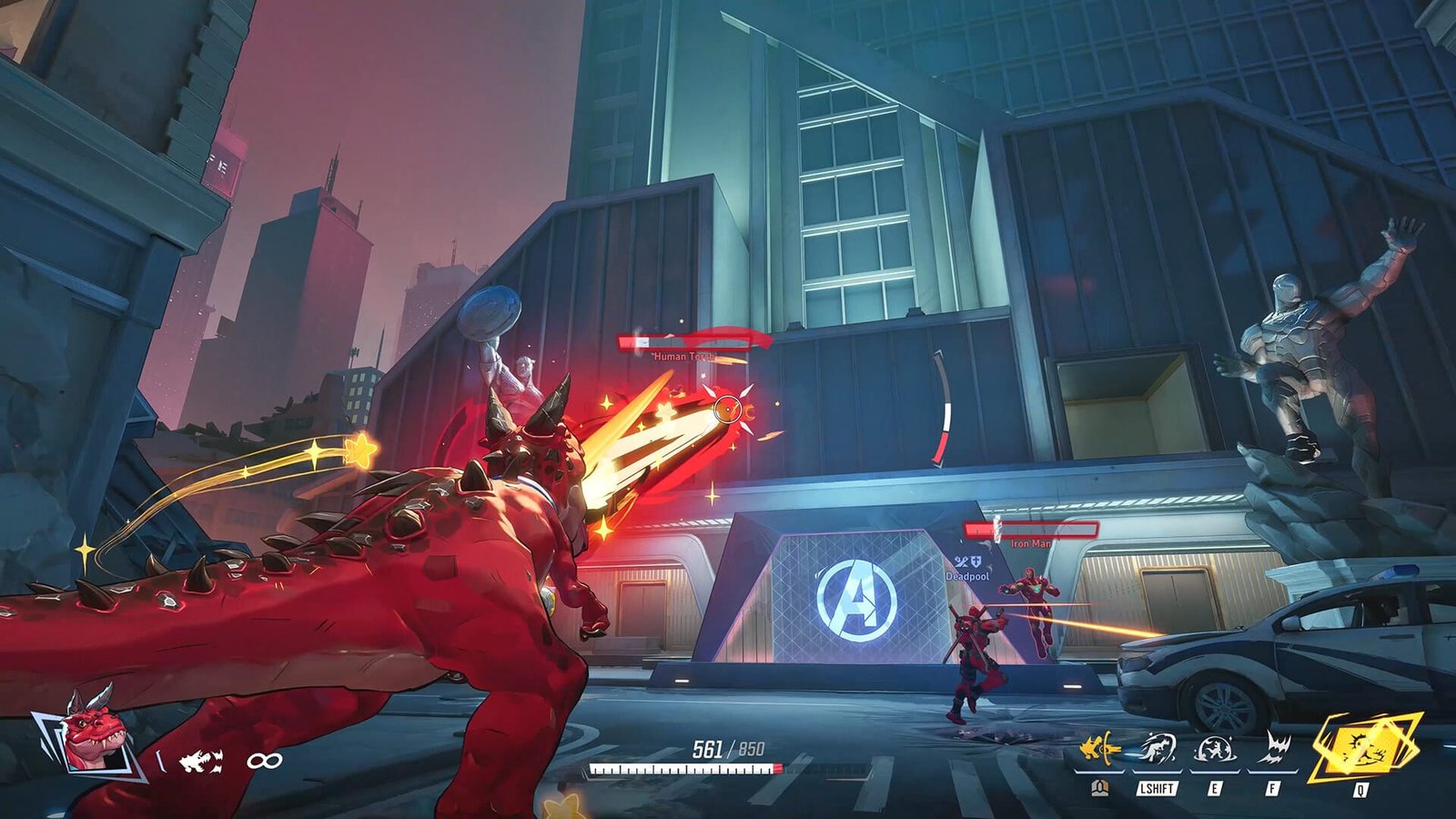
Team-Ups are a combination of specific Heroes that grant them unique abilities or increased powers. They sit inside hero select and the spawn room rather than a separate menu, and they matter because new Team-Ups can be added and existing ones changed or removed from season to season. That’s exactly what happened going into the current season, which is why a list from even a few months back can be flat-out wrong now. Marvel Rivals is a Super Hero Team-based PVP Shooter in the Marvel Universe developed by Marvel Games & NetEase Games, and Team-Ups are one of the few systems that separates it from other hero shooters — it’s a second layer of build decisions sitting on top of your ranked hero pool, alongside things like your rank and RP progress.
TL;DR
- Team-Ups got a full rework this season: every hero now picks one of two Team-Up abilities, and it works even without the paired hero on your team
- Each ability has a Base Effect (always on) and an Enhanced Effect (upgrades if the designated partner hero is also on your roster)
- You can swap your equipped Team-Up from the spawn room mid-match, so a “wrong” pick at hero select isn’t permanent
- Because the base effect no longer requires the partner, losing your Team-Up buddy to another player matters far less than it used to
- Still worth planning around a handful of duos where the enhanced version defines the hero’s whole kit
How Team-Up Abilities Activate: Base Effect vs Enhanced Effect
NetEase Games launched Season 9 of Marvel Rivals, titled “The Mystery of Thebes,” on July 10, 2026, and per one season tracker the current cycle is expected to run into September 2026 before the next update lands. That’s the season this whole mechanic got rebuilt for, so it’s worth naming clearly: if you’re reading advice about Team-Ups from before this patch, treat it as outdated.
Before this rework, players could activate team-ups only when two or more players with a Team-Up power were on the roster together in a match. Miss the partner, get nothing. That requirement is gone now. Every hero in Marvel Rivals now has two active Team-Up abilities, with most of them being entirely new to the game, and only one Team-Up ability can be equipped at a time, though you can freely switch between them in the spawn room. Whichever one you pick, all Team-Up abilities can be used regardless of whether the partner character is on your team. That’s the Base Effect. If they are on your team, your Team-Up ability will have an enhanced effect, essentially buffing said ability. Some sources put the count at over 100 new team-up abilities added in this rework, and unlike before, team-up abilities will no longer rotate out seasonally; instead, they are now permanent kit elements subject to balance adjustments in future updates.
Step-by-Step: Setting Up a Team-Up Combo
Tip
If your comp changes after a swap or a death, don’t forget the Team-Up swap option lives in the same spawn-room menu as your hero loadout — it’s easy to overlook mid-match.
Follow this sequence to get it done fast.
-
1
Check both Team-Up options at hero select
every hero has two available; open the tooltip for each before you lock a pick, since one usually fits your solo playstyle better than the other.
-
2
Pick the one that works without help
because all Team-Up abilities can be used regardless of whether the partner character is on your team, default to whichever base effect gives you value even in a comp that never comes together.
-
3
Scan your comp for the enhanced partner
if the designated hero is already on your side, the ability automatically gets stronger, so it's worth calling out in chat if a teammate hasn't picked yet.
-
4
Deploy and play the base version first
you don't need to wait on anyone; the Team-Up fires as soon as you're in the match.
-
5
Adjust from spawn if the matchup shifts
you're not locked in; if you feel like you need to switch your current team-up ability, then head to the nearest spawn room and swap the team-up mid-game.
Not everyone has the evenings for this — Marvel Rivals boosting covers the same ground with someone else on the keys.
What Each Role Gets From a Strong Pairing
The logic behind any pairing comes down to what the base effect gives you alone versus what the enhanced version adds once the partner shows up. A few confirmed examples from this season make that split easy to see.
Jubilee and Blade: sustain layered onto a fragile pick
Looking at Jubilee as an example, we can see in the first clip that she only gains lifesteal when activating the Team-Up. However, in the second example, we see passive healing active in addition to the base effect of lifesteal. The base version already gives a squishy hero survivability; the enhanced version turns it into ongoing sustain, which is the kind of upgrade worth nudging a pick toward if Blade is already a comfortable option for someone else on the team.
Angela and Star-Lord: information into a damage buffer
Base Effect: Activation grants Reveal within a targeted area. Enhanced Effect: When teaming up with Star-Lord, Angela gains Bonus Health scaling with the number of enemies struck by the slam. That’s a pairing where the base effect (vision) is already useful for any comp, and the enhanced version rewards aggressive play specifically when Star-Lord is around — a good example of a combo you’d lean into rather than force.
Punisher and Rocket Raccoon: free value, bigger value with the partner
If you are playing The Punisher and want to use the Ammo Overload team-up ability, you no longer require a Rocket Raccoon on your team. However, if someone plays Rocket Raccoon on your team, the team-up’s enhanced effect is automatically applied. In this case, The Punisher can deal more damage than usual with Rocket on his side. This is the clearest case of a pairing being a genuine bonus rather than a requirement — pick Punisher regardless, and treat Rocket as a nice-to-have rather than a reason to reroll your comp.
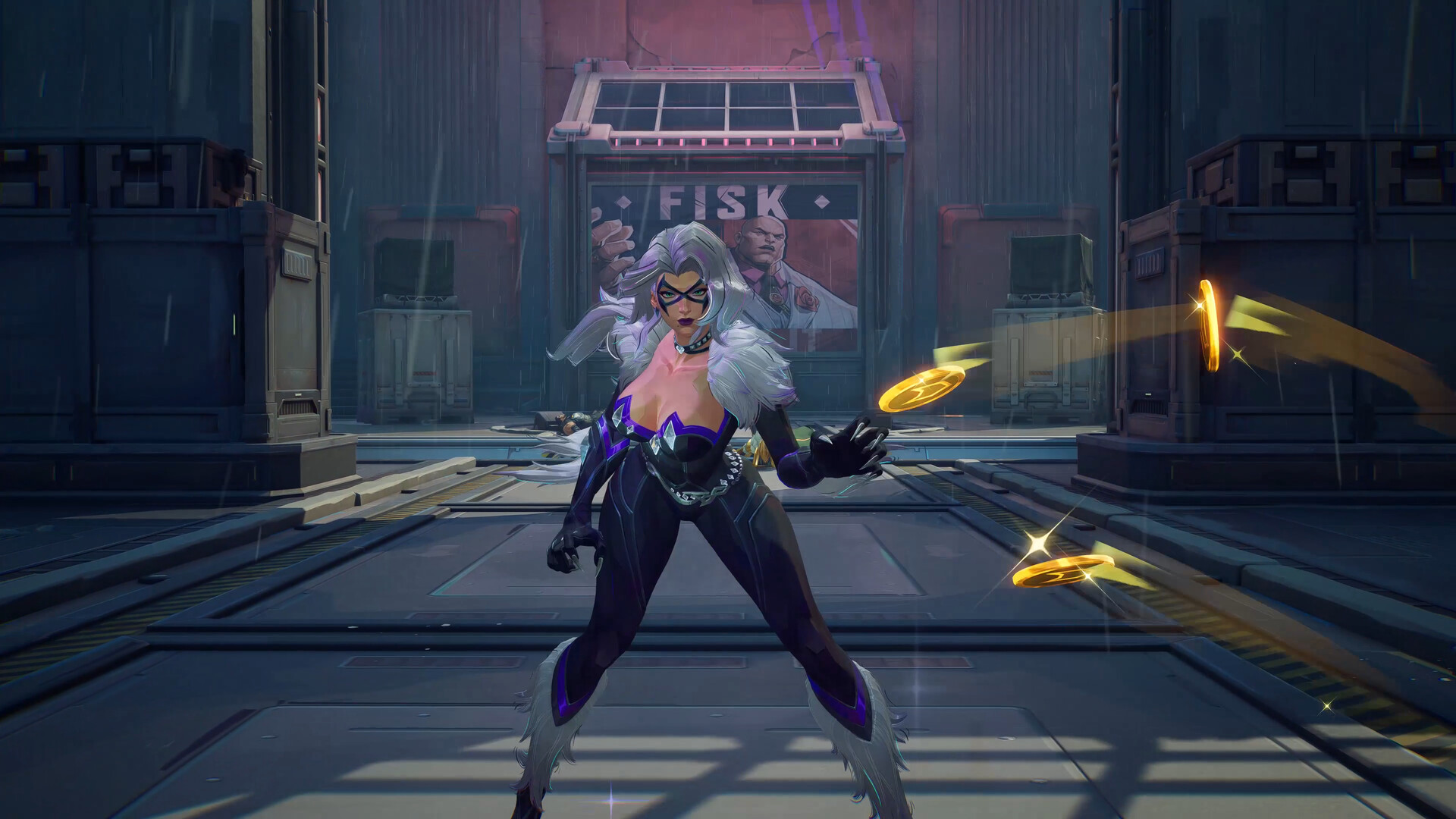
Best Marvel Rivals Team-Up Pairings to Build Around
Notice the pattern: none of these three require you to reroll your intended pick. That’s the entire point of the rework — the pairing sweetens a hero that’s already justified on its own merits, rather than gatekeeping the ability behind a specific duo.
| Pairing | Roles | What the Enhanced Version Adds | Worth Forcing Comp? |
|---|---|---|---|
| Jubilee + Blade | Strategist + Duelist | Base lifesteal becomes lifesteal plus passive healing | Only if Blade is already a comfortable pick |
| Punisher + Rocket Raccoon | Duelist + Strategist | Bonus damage on top of a fully functional solo ability | Never — take it as a bonus, not a plan |
| Angela + Star-Lord | Duelist + Duelist | Bonus health scaling with slam hits | Situational, rewards dive comps |
Common Misconceptions About Marvel Rivals Team-Ups
“You need the exact partner or the Team-Up does nothing”
That was true before this season, when players could activate team-ups only when two or more players with a Team-Up power were on the roster together in a match. It isn’t true anymore. All Team-Up abilities can be used regardless of whether the partner character is on your team, so picking a hero for their Team-Up is no longer a gamble on your teammates’ picks.
“Your Team-Up choice is locked once the match starts”
It isn’t. Only one Team-Up ability can be equipped at a time, though you can freely switch between them in the spawn room, so if the matchup calls for a different base effect, you can change it after you respawn without needing to swap heroes entirely.
“Team-Ups rotate away like a battle pass item”
Older seasons did retire and reintroduce specific pairings, but that’s changed. Team-up abilities will no longer rotate out seasonally; instead, they are now permanent kit elements subject to balance adjustments in future updates. They can still get nerfed or buffed mid-season, but they won’t just disappear the way they used to.
Warning
Permanent doesn’t mean stable. Reports already point to balance passes hitting individual Team-Up numbers early in the season, including the likes of Iron Man’s Gamma Charge Team-Up with Hulk getting nerfed shortly after launch — don’t build your entire hero pool around one enhanced effect assuming it stays exactly this strong.
Our Take: Are Team-Ups Worth Building Around in Ranked?
Our Take
Plan around them, but stop treating them as a hard requirement.
The old version of this mechanic genuinely could decide a queue — if your partner got picked or banned first, your hero’s entire kit was worse for the whole game. That’s not really true anymore. Since the base effect fires with or without the partner, a solo queuer picking a hero for its Team-Up upside isn’t taking on nearly the risk they used to. The enhanced effect is a real power spike, but it’s closer to a bonus objective than a build requirement.
Where it still matters is at the margins: a handful of pairings, like Jubilee and Blade, turn a fragile pick into something genuinely durable when both land together, and that’s worth communicating for in a coordinated five-stack even if it’s not worth derailing a solo-queue pick order. The instinct to chase every enhanced effect is where players waste time — most of the roster’s Team-Ups are incremental, not comp-defining, and forcing a second pick just to unlock one is usually a worse trade than just playing your strongest hero and taking whatever base effect fits.
If you’re grinding toward a specific rank this season, Team-Up literacy is a small edge, not the whole game — mechanical fundamentals and knowing your rank and RP mechanics will move you up the ladder faster than memorizing all hundred-plus combos.
Was this guide useful?
Marvel Rivals services
Rank Boost
Rank Boost — Any Rank to Any Rank
Set your current rank and your target · Priced by the divisions between them, nothing else
Progression
Hero Proficiency — Agent to Lord
Unlocks the exclusive cosmetic and the badge · One hero per order
Rank Boost
Placement Matches — Duo Calibration
Seasonal placements played out in duo · Calibrates you off a strong run, not a rusty one