On this page
The Hood joins Marvel Rivals in Season 9.5 as a Vanguard, not a Duelist, which is the single fact that shapes how you should actually play him. Gaming coverage around the patch has focused on the texture compression and the balance pass, but the question everyone’s actually typing is simpler: what does this guy do, and how do you use him. This guide breaks down his confirmed kit, where he fits in a comp, and what to do in your first matches — with honest flags wherever the specifics aren’t nailed down yet.
TL;DR
- The Hood is a Vanguard: his job is holding space and protecting teammates, not maximizing personal damage
- His kit revolves around dual pistols that build toward a demon transformation, a protective shield, a flight-based mobility move, and a turret-style ultimate
- He has confirmed team-up synergy with Cloak & Dagger, Jubilee, and Magik
- No tier list exists yet — anything ranking his power on day one is guesswork from a handful of early matches
- Treat your first sessions as learning the shield timing and energy meter, not chasing kills
Rank Boost
Set your current rank and your target
What Is The Hood in Marvel Rivals?
The Hood is a Vanguard hero for Marvel Rivals and the 53rd hero introduced to the game’s roster during Season 9.5: The Mystery of Thebes. In lore terms he’s Parker Robbins, a small-time criminal who picked up a demonic cloak and a set of dark powers he didn’t fully earn. In gameplay terms, he’s a dynamic gunner who walks the razor’s edge between mortal mobster and demonic powerhouse, fluidly switching between human and demon forms.
That dual-form idea is why players care: most Vanguards in Marvel Rivals lean on raw HP and static barriers. The Hood is built around a meter that pushes him between a mobile gunner state and a heavier demonic state, while still keeping the core Vanguard job — soak damage, block sightlines, protect the backline — intact. For the wider list of what else moved in this patch, the full Marvel Rivals 9.5 patch notes breakdown covers the balance pass across all 18 affected heroes; this guide stays focused on the new hero specifically.
| Form | What defines it |
|---|---|
| Human form | Lays down relentless frontal cover fire with his twin pistols while managing shield and cloak abilities |
| Demon form | Triggered once demonic energy reaches a critical point — his inner demon bursts free, his arms mutate into demonic rifles, and he unleashes heavier firepower through his ultimate |
Where the grind outlasts the interest, Marvel Rivals boosting picks it up from wherever the account already stands.
The Hood's Ability Kit: What Each Move Actually Does
Full numeric values — cooldowns, exact HP thresholds, shield duration — hadn’t been published in detail as of the patch’s launch window, so treat the “when to use it” column as directional rather than exact. The shape of the kit, though, is consistent across the reveal trailer and dev breakdown.
Warning
Every specific number above (energy thresholds aside) is still light on official confirmation. Cooldowns, shield HP values, and exact ultimate charge rate weren’t detailed in the patch breakdown at launch, so don’t build a build around a stat you saw in a random clip until it holds up in your own matches.
| Ability | What it does | When to use it |
|---|---|---|
| Primary fire (twin pistols) | Shoots his twin pistols, increasing demonic energy as he deals damage. Upon reaching 50% energy, his attack speed increases. | Keep firing on any target you can hit — energy generation rewards consistent uptime, not burst trading |
| Demon rifles (energy cap) | Upon reaching 100% demonic energy, he switches to demonic rifles that deal fast burst damage. | Push this window when the fight is already committed — it's your damage spike, not your opener |
| Protective shield | Create a protective shield that negates incoming damage and CC. His cloak can also hurl dark magic orbs that warp into barriers, reducing the strength of incoming enemy fire | Front-load this before your team pushes a choke or contests a point — this is the core Vanguard tool in his kit |
| Flight / mobility | Enter flight mode for a short duration. Upon ending this skill, it releases a demonic wave that deals AoE damage. | Use to reposition or escape a bad angle, and time the landing wave over a clustered enemy group |
| Ultimate: Full Demon State | Enters the Full Demon State and turns into a turret, firing massive, high-impact piercing rounds while radiating dark energy that grants bonus health to nearby teammates. The piercing rounds reportedly pass through both shields and enemy heroes | Pop it when your team is already grouped and holding a chokepoint — the health buff rewards allies standing near you, not scattered |
Team-Up Abilities: Who The Hood Links With
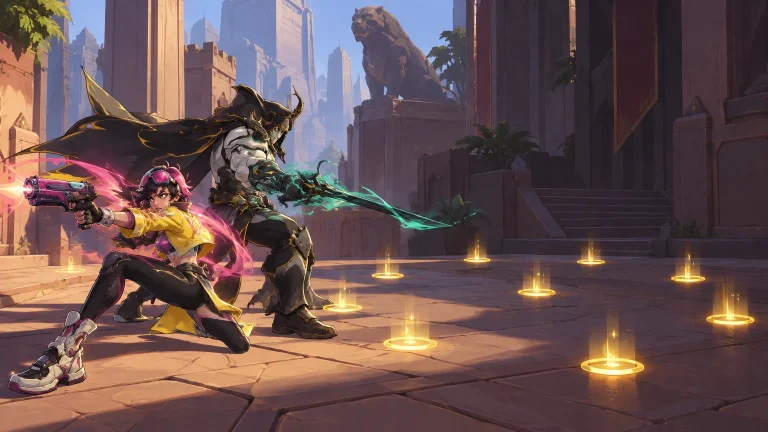
Marvel Rivals’ team-up system lets certain heroes unlock bonus effects when paired on the same roster, and The Hood has confirmed links to three existing casts. He can enhance the following team-up abilities: Oblivion Shroud for Cloak & Dagger, Hellfire Sparks for Jubilee, and Void Pentagram for Magik. If you’re running Jubilee already, check the Jubilee abilities and team-up guide for how her side of that link functions.
| Partner hero | Team-up name | Why it matters |
|---|---|---|
| Cloak & Dagger | Oblivion Shroud | Ties The Hood's dark-magic kit to an existing Strategist duo, giving him a support-adjacent link on top of his tank role |
| Jubilee | Hellfire Sparks | Connects two Season 9-era additions, useful if your comp is already leaning into that pairing |
| Magik | Void Pentagram | A demonic/dimensional theme link — likely the most aggressive of the three pairings given Magik's own dive kit |
Where The Hood Fits in a Comp — and Who He Duplicates
For a Vanguard, comp fit matters more than raw personal power, because his job is to occupy space your team can play around. On paper, The Hood reads as a mid-range, mobile frontliner rather than a pure choke-holder — closer in spirit to a gunner-tank than a wall-and-slam brawler. That puts him in a similar bucket to other mobile or dive-leaning Vanguards, meaning you probably don’t want him stacked alongside another hero doing the exact same job. If your team already runs a heavy dive Vanguard, The Hood’s flight and repositioning tools likely overlap rather than stack cleanly. Conversely, he should pair well behind a pure anchor tank that holds the front line while he uses his shield and mobility to peel for backline Strategists or punish flankers.
Since he’s brand new, exact synergy reads are still forming match by match. If your rank resets or placements are on your mind while you’re testing him out, the Season 9.5 rank reset guide covers whether mid-season touches your existing rank — worth checking before you queue Ranked with an unfamiliar hero.
Is The Hood Good? Why There's No Tier List Yet
Be honest with yourself here: no legitimate tier list for The Hood exists in the first days after release. Anything ranking him S-tier or calling him weak based on a handful of matches is guesswork dressed up as analysis — early win rates on a brand-new hero are skewed by players who don’t know his kit yet, on both sides of the matchup. This guide isn’t going to give him a power grade, and you should be skeptical of anyone who does this soon after launch. The honest answer is: wait for a few weeks of ranked data before trusting any tier placement, and treat pre-release balance notes as a snapshot, not a verdict.
Step-by-Step: Your First Matches as The Hood
Follow this sequence to get it done fast.
-
1
Play Quick Match first, not Ranked
learn his energy meter and shield timing without the pressure of a competitive loss on the line.
-
2
Track your energy bar, not your kill count
since his attack speed ramps up at 50% energy, staying in fights consistently matters more than landing perfect shots early.
-
3
Front-load your shield before engagements
use the protective barrier before your team commits to a push, not after you're already taking damage.
-
4
Save flight mode for repositioning, not just escape
the landing wave rewards timing it over a grouped enemy team rather than using it purely defensively.
-
5
Hold your ultimate for a grouped fight
since the ability reportedly buffs nearby allies and pierces through targets, popping it while scattered wastes half its value.
-
6
Review your team-up options before locking in
check whether Cloak & Dagger, Jubilee, or Magik are already on your team before you commit to The Hood.
Hero Proficiency
Unlocks the exclusive cosmetic and the badge
Common Misconceptions About The Hood
“He’s basically a Duelist wearing a Vanguard label”
This comes up because his kit leans on guns and mobility instead of a giant health pool or wall. But the role assignment is confirmed as Vanguard, and his shield and ultimate both include team-protecting effects — a pure Duelist kit wouldn’t carry either. Play him like a frontliner who happens to shoot well, not a Duelist who happens to have a shield.
“His demon form is a separate ultimate”
The demon rifle switch at full energy and the Full Demon State ultimate are two different things. Reaching 100% demonic energy switches him to demonic rifles that deal fast burst damage during normal play — that’s not the same as his actual ultimate ability, which is a separate, cooldown-gated transformation into the turret-style Full Demon State.
“Early match footage tells you his real power level”
Reveal trailers and the first wave of matches show intended playstyle, not balance. Numbers that look strong in a curated clip often get tuned within the first few patches after any hero launch — this has happened repeatedly across Marvel Rivals’ roster, most recently with the mid-season adjustments hitting 18 other heroes in this same patch.
Our Take: Is The Hood Worth Learning Now?
Our Take
Learn him for the kit, not for a power spike that doesn’t exist yet.
The Hood’s design — a Vanguard who plays more like a mobile gunner than a wall — is genuinely different from most of the roster, and that alone makes him worth a few sessions regardless of where he lands in the meta. What you shouldn’t do is chase him because someone called him strong three days after release; that read is built on too few matches to mean anything. Learn the energy meter, learn the shield timing, and let the actual balance data catch up before you decide he’s a main.
Was this guide useful?
Marvel Rivals services
Rank Boost
Placement Matches — Duo Calibration
Seasonal placements played out in duo · Calibrates you off a strong run, not a rusty one
Coaching
Coaching Session — Top-Ranked Player
One-to-one with a Celestial or Eternity player · Positioning, ultimate timing and target priority
Progression
Daily & Weekly Missions
The main source of Battle Pass currency · Missions do not roll over to next week