On this page
Deadlock‘s pre-game phase now runs on three hero bans instead of two, plus a one-time hero swap per player once a Ranked match is formed — and the catch is that you make the swap decision without seeing what the enemy team is changing into in real time. This guide covers exactly what the July 30 update changed, who to ban in the current meta, and when to actually spend your swap instead of saving it. It also splits what’s confirmed in the patch notes from what’s just early practice, since the system has only been live a couple of days.
TL;DR
- Ranked matches now enforce three total hero bans per game, up from two, via the existing “prefer to avoid” preference toggle — not a team draft.
- Every player gets one hero swap in the pre-game waiting area, but you only see the enemy’s initial hero composition, not their live changes.
- Banning the single strongest hero on the tier list isn’t automatically correct — banning what you personally lose to is usually the better play.
- Holding your swap for a genuinely bad matchup beats spending it early just because you can.
- The system is roughly two days old at the time of writing, so treat any “optimal ban list” as a first impression, not gospel.
What Changed in Deadlock's Pre-Game: Three Bans and One Swap
Two separate mechanics got touched by the same update. First, the hero-ban system that Valve added to Standard Mode and Street Brawl back in January — where each player flags one hero on their roster screen they’d prefer to avoid — now enforces more of those preferences per game in Ranked. The total number of heroes banned in a given game is increased from 2 to 3 and the algorithm used has been improved. It’s still not a League-style draft where teams alternate picks and bans; it’s a background matchmaking preference that now removes one more hero from the pool per match.
Second, and bigger: Ranked now has a genuine pre-game waiting area. The update introduces a pre-game waiting area where players see both teams’ initial hero compositions and can swap to any other Ranked-eligible, unselected hero — once, and only once, per match. Each player can only swap into a new hero once, and you can also use the new pre-game waiting area to adjust your starting lanes, though you won’t be able to zipline swap after this.
| Pre-game component | What it does | Confirmed limit |
|---|---|---|
| Hero ban (preference toggle) | Flags a hero you'd rather not face; matchmaker tries to honor it | 3 total bans enforced per Ranked match |
| Hero swap | Change your assigned hero to any unpicked, Ranked-eligible hero | 1 swap per player, per match |
| Lane adjustment | Reassign your starting zipline lane | Locked once the waiting area closes |
| Pause lock | Prevents pausing to "fix" a bad comp mid-game | Disabled until 2 minutes after the game fully starts |
The same route is available as Deadlock boosting for anyone who would rather not sit the grind out twice.
How the Blind Pre-Game Swap Actually Works
This is the part that trips people up. You do see rosters when the waiting area opens — both teams’ starting heroes are visible up front. What you don’t get is a live feed of changes. This is not intended to be primarily a counter-picking feature, as much as just a quick way to improve your team’s general hero composition: you only ever see their opening picks. So if you swap in response to what you initially saw, the enemy could already be swapping into something else at the exact same moment, and neither side finds out until the loading screen.
There’s also a collision rule worth knowing before you commit: if you end up swapping into a hero that the enemy team happened to also swap into before you, you’ll get an error and then be able to select a different hero — otherwise you will be given that hero. That means your swap isn’t fully “locked” until the system confirms nobody beat you to that pick.
Warning
Don’t treat the swap window as a counter-pick lobby. You’re reacting to a snapshot, not a live draft — the enemy’s actual final composition can still change after you’ve already committed.
Who to Ban in the Current Deadlock Meta (and Why the Strongest Isn't Always Right)
Tier lists this patch generally agree on a handful of names sitting at the top of the win-rate charts, but they disagree on the exact order, and some — Haze in particular — show up anywhere from S-tier to mid-pack depending on the source. That disagreement is itself useful information: it means banning purely off a tier-list headline is less reliable than banning off what actually beats you in lane.
The S-tier features Graves (56.5%), Victor (56.2%), Seven (55.6%), and Paige (53.9%), with Graves posting the single highest win rate. These numbers move week to week and should be checked against a live tier list rather than memorized — the ranking above reflects one snapshot, not a fixed hierarchy.
The trap the brief above hints at is real: banning the single best hero on paper feels correct, but if you don’t actually know how to play against the second-strongest hero either, you’ve just traded one bad matchup for another. A more useful question than “what’s rated highest” is “what beats me specifically, and can I ban that instead.”
| Who to ban | Why | Who this strategy suits |
|---|---|---|
| Whoever you personally lose lane to most | Removes your worst individual matchup regardless of tier-list rank | Players who know their own weak matchups better than the meta |
| The single highest win-rate hero | Denies the statistically strongest pick to everyone, not just your lane | Players comfortable fighting the second- and third-strongest heroes instead |
| A hero your team has no answer to as a group | Some heroes punish an entire comp (heavy dive, long-range poke) rather than one lane | Coordinated parties who can agree on a shared threat before queuing |
| A high-mobility duelist you can't shut down | Escape-heavy heroes are frustrating to punish without a specific counter-pick | Solo queue players who don't want to gamble on the swap fixing it later |
Best Deadlock Draft Strategies for Bans and Swaps
| Strategy | Setup effort | Skill required | Best for |
|---|---|---|---|
| Ban by meta tier list | Low | Low | New Ranked players who don't yet know their own bad matchups |
| Ban your personal counter | Medium | Medium | Players with 60+ Standard wins who already know their weak lanes |
| Hold ban for known enemy one-trick | Medium | High | Players who solo-queue against the same regional pool repeatedly |
| Swap immediately for team comp | Low | Low | Coordinated duos filling an obvious gap (no frontline, no ranged) |
| Hold swap until initial rosters lock | Medium | Medium | Solo players reacting to a lane assignment that clearly doesn't fit |
When to Use Your Pre-Game Swap (and When to Hold It)
Use it early: fixing an obvious comp gap
If your team locks in with zero frontline or three heroes fighting for the same lane, that’s a clear signal to swap right away. This is closer to what the feature is actually built for. This is not intended to be primarily a counter-picking feature, as much as just a quick way to improve your team’s general hero composition, while still making it easy for players to have their preferred and most comfortable heroes in Ranked by default.
Hold it: matchup is unclear until rosters settle
Since enemy changes aren’t shown live, swapping the instant the window opens means you’re reacting to a comp that might not exist by the time the game starts. If your lane assignment looks fine on paper, there’s an argument for waiting a few seconds to see if your own team’s lanes settle before spending your one shot.
Don’t use it as a panic button
Because the swap is capped at one per player with no take-backs beyond the collision-error case, using it reactively to “fix” a hero you’re simply uncomfortable with — rather than one that’s genuinely a bad matchup — burns the tool for a soft reason. Save it for a matchup problem, not a mood.
Step-by-Step: Deadlock Pre-Game Walkthrough
Follow this sequence to get it done fast.
-
1
Set your ban preference before queuing
flag the one hero you want to avoid on the roster screen; this feeds into the match-wide pool of three enforced bans.
-
2
Queue into Ranked
this requires meeting the account's entry gates before the option even appears.
-
3
Check both teams' starting compositions
the waiting area shows initial picks for both sides the moment the match is formed.
-
4
Decide fast if you're swapping
remember any decision you make is based on a snapshot, not a live board.
-
5
Adjust your lane if needed
this is your last chance, since you won't be able to zipline swap after this.
-
6
Lock in before the window closes
pause won't bail you out afterward, since it's disabled until 2 minutes after the game fully starts.
Common Misconceptions About Deadlock Hero Bans and Swaps
“My ban is guaranteed to work”
The ban system is a preference the matchmaker tries to honor, not a hard team-draft removal. With only three total bans enforced across a full lobby, a flagged hero can still show up if the queue can’t otherwise form a match.
“I can see what the enemy is swapping to”
You see their starting picks, not their changes. Treat the enemy roster in the waiting area as a first draft, not a final answer — this is the single most misunderstood part of the whole system right now.
“Banning the meta’s number one pick is always correct”
It’s a reasonable default, but if your actual losses come from the second- or third-strongest hero — or from a specific playstyle like a slippery duelist — banning the top-line name doesn’t fix your real problem. This same logic is why hero-specific match-up guides, like a Haze counters breakdown, tend to matter more than a generic tier list once you’re past the early Ranked grind.
Our Take: Are Three Bans and a Swap Actually Better?
Our Take
The extra ban is a solid quality-of-life bump; the swap is the mechanic that actually changes how you should think about queuing.
Going from two to three enforced bans is a small, low-risk tweak that mostly just reduces how often you see a hero you specifically avoided — good, but not transformative. The swap is the bigger deal, because it introduces real decision-making under partial information for the first time in Deadlock‘s matchmaking, closer to how Ranked’s rank ladder and calibration system already forces players to commit before seeing the full picture. Whether the “no live update” design holds up long-term or gets loosened is genuinely unclear this early — worth watching rather than assuming it’s final.
Was this guide useful?
Deadlock services
Rank Boost
Hero Mastery Leveling
Mastery levels on the heroes you actually play · Souls farmed and objectives taken in real matches
Rank Boost
Net Wins Boosting
A set number of net ranked wins · Losses do not count against your total
Rank Boost
Rank Boost
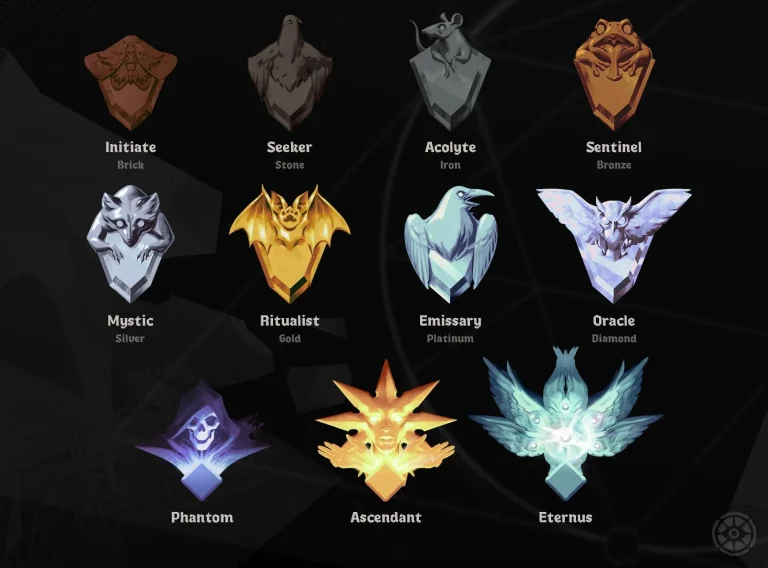
Pick your current and target badge · Every division from Initiate to Eternus