On this page
REDSEC is Battlefield 6‘s free-to-play battle royale, playable standalone without owning the base game, where 100 players drop onto Fort Lyndon in squads of two or four and fight to be the last team standing. This guide covers what genuinely separates REDSEC from Warzone and Apex—the instant-death ring, the familiar class system, weapon rarity, optional missions—and how to leverage those differences to win more matches.
TL;DR
- The ring of fire downs you almost instantly and cannot be healed through—rotation discipline is non-negotiable
- REDSEC is free-to-play and can be installed standalone, no Battlefield 6 purchase required
- REDSEC uses the same class system as Battlefield 6, so Engineer, Support, Recon and Assault tools work as you already know them
- Three modes—Gauntlet, Duos, and Squads—each with different squad sizes and objectives
- Weapon rarity and optional missions add loot progression; third-partying near the ring edge is a losing habit
What Is REDSEC in Battlefield 6?
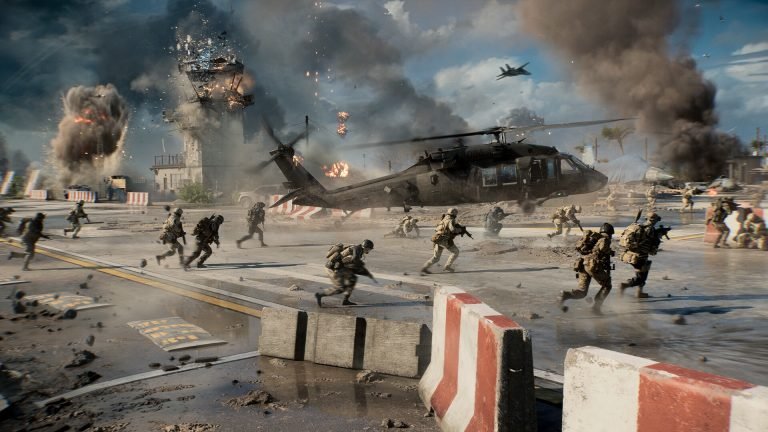
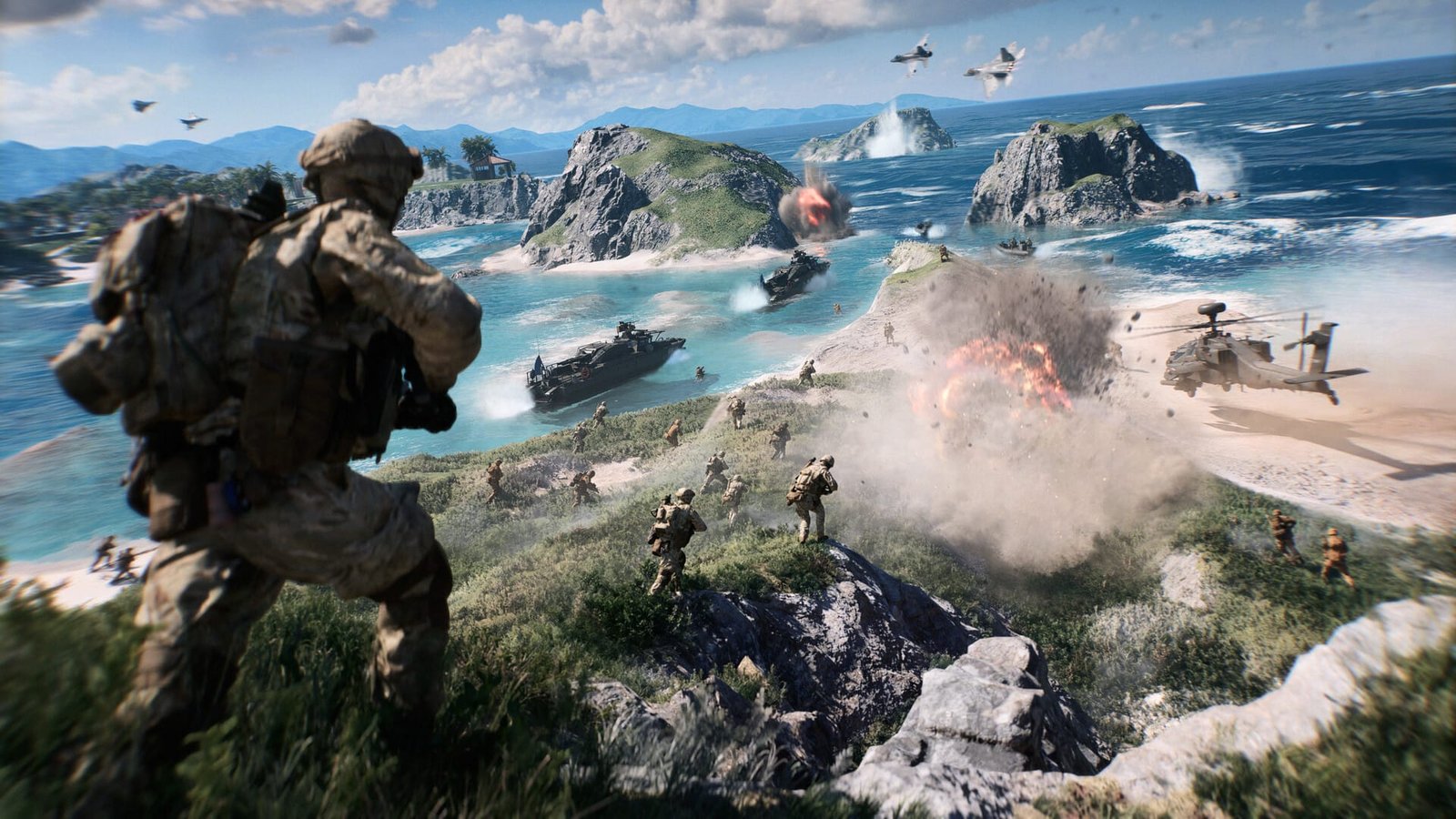
REDSEC is a free-to-play battle royale mode set within Battlefield 6 where players drop into a map, search for weapons, complete optional missions for gear, and kill other players, all while they are slowly forced into smaller portions of the map by a ring of fire, until only one team or player is left standing. You can launch REDSEC either through the Battlefield 6 game via the REDSEC option or through the free-to-play installation of REDSEC. The mode launched October 28, 2025 as EA and DICE’s entry into the free battle royale market, competing directly with Call of Duty Warzone. Teams drop into the huge Fort Lyndon map with basic gear and gather weapons and resources before going head-to-head with enemy squads to eliminate them.
What makes REDSEC different is how brutally the ring punishes bad positioning and how deeply the Battlefield 6 class system matters. Players coming from other battle royales will find the instant-death ring unforgiving, while Battlefield veterans gain an edge because Engineer’s anti-vehicle tools, Support’s resupply, and Recon’s spotting gadgets all carry over.
The same route is available as Battlefield 6 boosting for anyone who would rather not sit the grind out twice.
REDSEC Game Modes: Duos, Squads, and Gauntlet Explained
After you select REDSEC, you must choose between three main versions: Gauntlet, Duos, and Squads. Duos and Squads are your classic battle royale modes, with teams of two players in Duos (50 teams) or four players in Squads (25 teams). Both follow traditional last-team-standing rules on the full Fort Lyndon map. Gauntlet has players focus on completing objectives—you must complete your mission in order to survive, and you keep doing missions until you’re the last player or team alive.
Gauntlet is a 32 player tournament mode where eight squads compete in four rounds of objective-based missions, with the lowest scoring squads eliminated each round until two teams remain for a final showdown. Each round consists of 5-minute windows for squads to complete their mission objectives. Gauntlet feels less like a traditional battle royale and more like an elimination tournament with shifting objectives.
| Mode | Squad Size | Player Count | Best For |
|---|---|---|---|
| Duos | 2 players | 100 (50 teams) | Tight coordination, quick rotations |
| Squads | 4 players | 100 (25 teams) | Diverse class setups, sustained firefights |
| Gauntlet | 4 players | 32 (8 teams) | Objective-focused players, tournament intensity |

The Ring of Fire: Why REDSEC's Circle Is Instantly Lethal
The single most important mechanical difference in REDSEC is the ring. The ring of fire, which defines the playable area of the map, is instantly lethal in REDSEC—unlike in Fortnite or Apex Legends, you can’t escape the zone and you’ll be killed immediately. The ring of fire downs you almost instantly, you can’t heal through it, and getting caught outside means death unless you escape immediately. Even getting close to the ring deals damage, and stepping fully outside kills you on the spot.
This mechanic fundamentally changes rotation strategy. In Warzone or Apex, you can tank a few ticks of zone damage, pop heals, and make it back. REDSEC punishes that habit. Ideally, you want to be pressing forward and into the next circle whenever the wall of fire gets close. Third-partying fights near the ring edge becomes a losing proposition—if the ring closes during the engagement, you’re dead with no second chance. Always rotate early, secure safe ground before fighting, and treat the ring as a hard law rather than a soft suggestion.
Warning
The ring deals damage even if you’re not fully outside of it—you’ll get a warning if you’re close to the edge and will start burning if you remain too close. Keep distance from the boundary at all times.
Class System and How Battlefield Knowledge Transfers to REDSEC
All four of the classes from Battlefield 6 are here—Assault, Recon, Engineer, and Support—although they’ve all been tweaked slightly to make them more balanced for REDSEC. In REDSEC the class system is the most important strategic layer, and anyone attempting to play solo will quickly discover that the game mechanics really punish this approach—each class has a passive ability and an active specialization that must mesh together like gears within the team structure.
For example, the Assault class can still deploy a ladder to reach certain vantage points but has faster armor and gadget recharge, and each class also has its own Training Paths that can be levelled up by completing missions, which unlock extra skills for the remainder of the match—one of these allows the Recon class to pilot drones that can drop bombs from above. Engineer retains anti-vehicle capabilities, making them essential late-game when tanks and helicopters dominate the final circles. Support handles revives and ammo resupply. Recon provides intel through motion sensors and spotting scopes.
If you already play Battlefield 6 multiplayer, this is your biggest advantage over players arriving from other battle royales. You already know how Engineer’s rocket launchers work, how Support revives function, and how Recon drones spot enemies. That knowledge is directly transferable, and building a squad with diverse classes gives you a real edge over teams that stack the same role.
Step-by-Step: How to Play and Win a REDSEC Match
Follow this sequence to get it done fast.
-
1
Drop smart and loot fast
Every match starts on a transport plane; you'll parachute down with just a pistol and a knife, so finding real weapons becomes your immediate priority. Avoid hot drops near the center—the instant-death ring makes high-density initial fights excessively risky.
-
2
Pick your class and coordinate roles
Choose a class that complements your squad. A balanced team with Engineer, Support, Recon and Assault will outlast teams that all pick the same role. Use your class gadgets actively.
-
3
Watch the ring and rotate early
Press forward into the next circle whenever the wall of fire gets close; the circle will shrink until there's barely enough room for two teams to survive. Never linger near the edge.
-
4
Complete optional missions for loot upgrades
While the ring is shrinking, try and get a build you like by scavenging or completing missions. Missions reward high-rarity gear but ping your location—expect third parties.
-
5
Secure vehicles for long rotations
If you see the ring approaching and can't outrun it on foot, find a jeep or helicopter immediately. Vehicles play a major role, with tanks, transport helicopters, jeeps and even golf carts available.
-
6
Control final-circle positioning
The last circles are about map control, not raw aim. Secure advantageous ground before the ring forces movement, and use destruction to create cover or deny enemy paths.
Weapon Rarity, Missions, and Loot Progression
At launch, REDSEC features the exact same lineup of weapons as Battlefield 6 multiplayer, including Assault Rifles, Carbines, SMGs, LMGs, DMRs, Sniper Rifles, and Shotguns, all of which can be found around the map—and over time this selection will grow bigger as more are added with each season. Weapons come in tiered rarity, and higher-rarity versions offer better stats. You can get a red weapon from the Custom Weapon Drops that spawn on the map—these droppods look like a torpedo or missile jutting out of the ground, and interacting with the Custom Weapon Drop lets you see all weapons you have marked with the Favorite button and select the gun you want to receive from the cache.
REDSEC features weapon rarity, optional missions, and the quintessential encroaching ring of fire. Optional missions appear across the map and reward you with high-tier loot, upgrade kits, or custom weapon drops. The downside is that completing missions alerts enemies in the area to your presence—high risk, high reward. Always plan your exit before committing to a mission, and never start one if the ring is close behind you.
Tip
Prioritize weapon upgrades and armor early. Higher-rarity weapons and full armor plates significantly increase your time-to-kill and survivability in mid-to-late game firefights.
Best REDSEC Strategies to Win More Matches
Winning in REDSEC demands more rotation discipline than other battle royales. The instant-death ring forces you to stay way more cautious about the closing circle than you might be used to. Look for vehicles early, respect the ring timer, and never assume you can tank damage to finish a fight. Use your class gadgets aggressively—Recon drones for safe intel, Support revives to keep momentum, Engineer rockets to counter vehicles late-game. Balance your squad composition and communicate rotation plans before the ring moves.
Common Misconceptions About REDSEC
You Can Tank the Ring Damage Like in Warzone
No. Battlefield REDSEC has a deadly red ring of fire that kills instantly if you’re caught outside of it—there is no damage ramp, if you’re caught outside when it closes, you’re done for. Healing through the storm is impossible. Treat the ring as an instant-death boundary and rotate aggressively.
Class Choice Doesn’t Matter in Battle Royale
Wrong. In REDSEC the class system is the most important strategic layer, and the game mechanics really punish solo play—each class has a passive ability and an active specialization that must mesh together within the team structure. Running four Assaults might work early, but you’ll lose to a balanced squad with Engineer anti-vehicle tools and Support revives in the final circles.
Missions Are Optional and Not Worth the Risk
Partially true. Missions reward high-tier loot and weapon upgrades, which significantly boost your loadout. Use side missions for extra loot, but be ready for third parties—they ping your location. Early missions are worth the risk; late missions near the final circles are often too dangerous unless you have overwhelming map control.
Our Take: Is REDSEC Worth Playing in 2026?
Our Take
REDSEC is the best entry point into Battlefield right now, and the instant-death ring creates genuinely tense late-game moments other battle royales can’t match.
The fact that REDSEC is free-to-play and installable standalone matters commercially and for reach. Players can access it without owning Battlefield 6, and the game shares account progression, cosmetics, and Battle Pass advancement with Battlefield 6—this unified ecosystem means unlocks and progress carry between both games, creating a single player identity across the franchise. That shared progression is a smart retention hook, and it gives REDSEC staying power beyond being a one-off mode.
The ring mechanic is the real differentiator. It punishes bad habits from Warzone and Apex, where players are conditioned to tank zone damage and heal through it. In REDSEC, being caught outside means death with no second chance. That forces strategic discipline—you rotate early, you control vehicles, you don’t third-party fights near the edge. It’s less forgiving, and that makes winning feel earned rather than lucky. The class system is the other major strength. If you already know how Battlefield 6 classes work, you have a real advantage over players arriving from other battle royales. Engineer’s anti-vehicle tools, Support’s resupply, and Recon’s intel all behave as you already know them, and that transferable knowledge matters more in REDSEC than raw aim.
The weak point is Gauntlet. It’s interesting in concept—eight squads, four elimination rounds, objective-focused missions—but it feels like a side mode rather than the flagship. Most players will spend their time in Duos or Squads, and that’s fine. REDSEC doesn’t need Gauntlet to succeed; it needs the core battle royale to stay fresh across seasons, and the weapon rarity and mission systems give enough moment-to-moment variety to keep matches from feeling identical.
Was this guide useful?
Battlefield 6 services
Leveling & Battle Pass
Career Rank Leveling
Overall career rank pushed upward · Unlocks gear and progression gated behind level
Challenges & Unlocks
[PC] Campaign Completion
Anything not listed: name the target and we scope it · Unlock, rank, challenge or collectible
Weapons & Mastery
EF88 Mastery & Attachments
EF88 bullpup rifle levelled to max · Optics, barrels and extended magazines unlocked