On this page
Aliens: Fireteam Elite 2 just landed, and the first question anyone installing it has is simple: what do you actually do in the opening hours before the game starts punishing mistakes. This guide walks through the first class pick, how the campaign is structured, where new players waste time, and what to unlock before pushing difficulty up.
TL;DR
- Pick one of the five base classes first — Specialist is an endgame class you build out of the others, so there’s nothing to assemble it from on day one.
- The campaign is one route of 15 missions across four biomes — play it in order.
- Casual, Standard and Intense are open from the start. Extreme and Insane are expected to unlock after the campaign, the same way they did in the first game, but Cold Iron hasn’t officially confirmed that for the sequel yet.
- Bots fill empty squad slots, so soloing the campaign works fine — but Horde mode has its own maps and is available from day one, and it’s the thing most new players quietly put off.
- Squads cap at four players with crossplay across Steam, Epic, Xbox and PS5.
Specialist Unlock
The Specialist class unlocked on your account, including the class levels it takes to reach it
What Determines Your First Class Pick in Aliens: Fireteam Elite 2
Fireteam Elite 2 launches with six class paths, but only five of them are actually choosable from the character menu on day one. Players can choose one from several character classes: Duelist, Machinist, Marauder, Hunter, Medic. The sixth, Specialist, isn’t a starting option at all — it’s built by combining abilities, perks and weapon options unlocked from the other five classes as you level them. There’s nothing to pull from until those classes exist on your account, which is exactly why it sits outside the initial pick. Cold Iron has talked about the Specialist publicly as a way to increase squad-level coordination rather than as a straightforward seventh damage dealer, describing it as a tool to introduce added flexibility for coordinating with teammates rather than a fixed role.
For a deeper breakdown of what each of the six classes brings to a squad, the full class comparison covers builds and perks in more detail than a first-hours guide needs to. If you gravitate toward the explosive-damage playstyle specifically, there’s also a dedicated look at the Duelist rework.
| Class | What it does in the squad | Take it first? |
|---|---|---|
| Duelist | Rifle-focused damage dealer built around sustained fire and mobility | Yes — the most forgiving starting pick for learning gunplay |
| Marauder | Explosives and heavy ordnance for clearing swarms | Fine, but demands more squad awareness once friendly fire turns on |
| Machinist | Turrets and area denial, holds a lane without constant babysitting | Good solo pick since deployables cover for a slower AI teammate |
| Hunter | Precision and target marking against armored threats | Workable first pick if you like methodical engagements |
| Medic | Team sustain — revives, healing, keeping the squad upright | More valuable once you're in a full four-player squad than solo |
| Specialist | Custom hybrid built from unlocked abilities of the other five classes | No — unavailable until the base classes are leveled |
Campaign Route and Which Difficulty to Start On
The campaign is fifteen missions across four biomes, one route with no branching campaigns to pick between; the chapter list, Horde mode and everything else in the launch package are in our Fireteam Elite 2 launch-day content guide. You’ll return to the hub ship between missions to buy gear and manage your loadout; before each mission, players can explore the spaceship the USS Endeavor where they can purchase new items from vendors and customize their player avatar.
Casual, Standard and Intense are all selectable from the very first mission — no gating, no prerequisite. Extreme and Insane are expected to unlock only after finishing the campaign once, mirroring how the original game handled its top two tiers, but that has not been officially confirmed for Fireteam Elite 2 at the time of writing.
Note
Everything about Extreme and Insane in Fireteam Elite 2 right now is inference from the first game’s structure, not a confirmed patch note. If you see a guide stating exact unlock conditions for those two tiers, it’s speculating.
| Difficulty | Available from | Who it's for |
|---|---|---|
| Casual | Day one | Learning enemy patterns and class abilities without pressure |
| Standard | Day one | A reasonable default for a first full run |
| Intense | Day one | Friendly fire turns on here, so squad communication starts mattering |
| Extreme | Expected post-campaign, unconfirmed | Players chasing tougher fights and better crate rewards |
| Insane | Expected post-campaign, unconfirmed | Coordinated, communicating squads only |
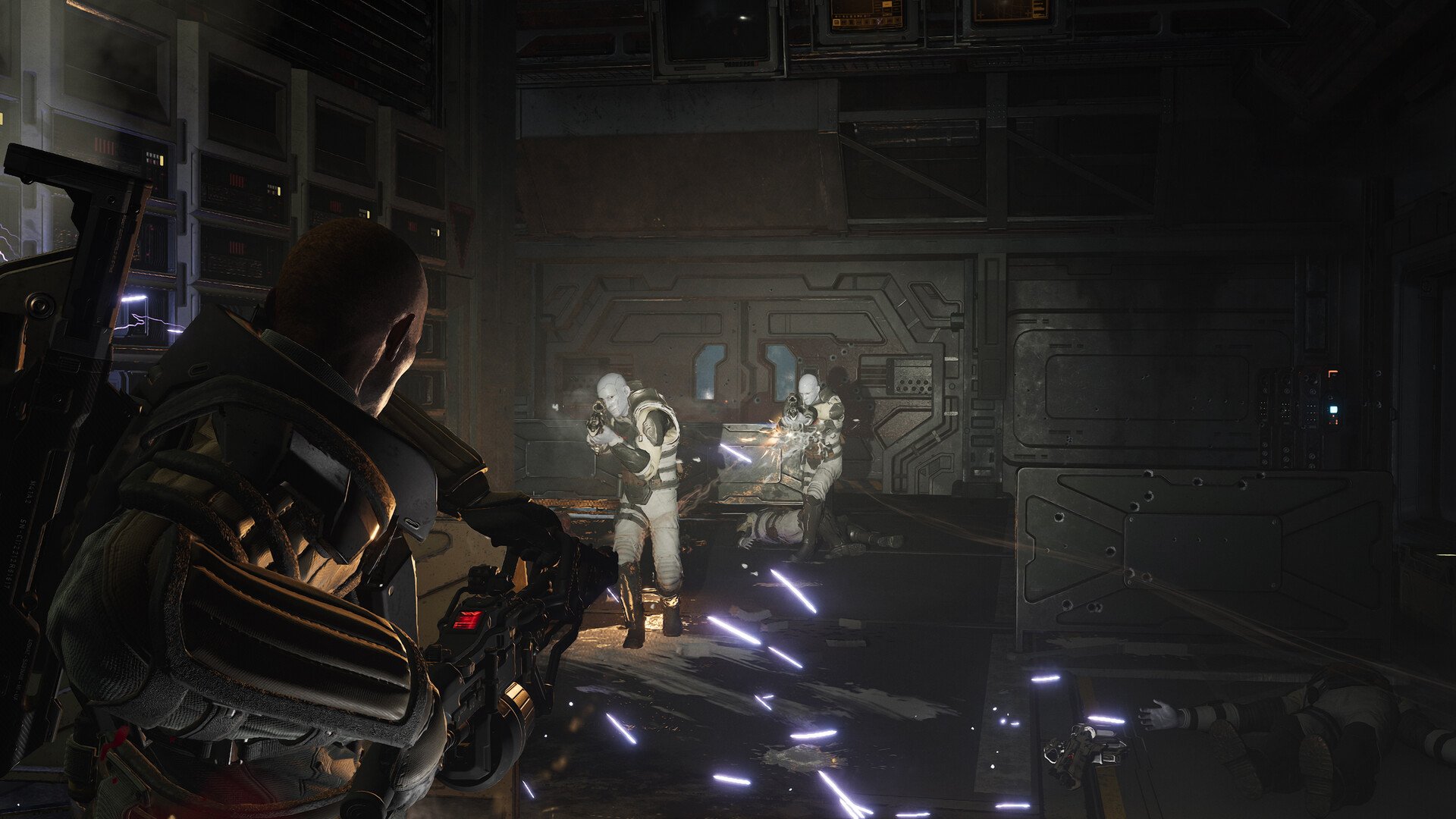
Step-by-Step: First Hours Walkthrough
Follow this sequence to get it done fast.
-
1
Pick a base class, not Specialist
Duelist or Machinist are the two easiest starting points since one is straightforward rifle damage and the other handles solo play well through turrets.
-
2
Run the Prologue on Casual or Standard
this is where you learn movement, cover, and how the four damage types interact with different enemy types before anything punishes a mistake.
-
3
Clear Rescue and Recovery and Boarding Party
these two chapters introduce most of the enemy roster you'll fight for the rest of the campaign, so treat them as the real tutorial.
-
4
Bump to Intense once friendly fire stops being a surprise
if you can already avoid clipping teammates with explosives and shotguns on Standard, Intense adds threat without changing the fundamentals much.
-
5
Try a Horde run on Standard before finishing the campaign
it uses its own maps and is unlocked from launch, so there's no reason to wait for endgame to see how it plays.
-
6
Push through Rock Bottom, Ancient Anomaly and Final Endeavor
these close out the fifteen-mission campaign and are the gate for whatever comes after, once Extreme and Insane are actually confirmed live.
Where New Players Lose Time in the Early Game
The biggest time sink isn’t the campaign itself — it’s the stuff that gets pushed to “later” and then never gets touched. Bots fill any empty squad slot automatically, which means soloing all fifteen missions is completely viable and a lot of new players default to that. The actual time cost shows up somewhere else: Horde mode ships with its own dedicated maps from day one, and because it’s not required to finish the story, most players shelve it indefinitely rather than treating it as a parallel track worth running early. Skipping it isn’t wrong, but it means you’re not banking class experience and gear from a mode that’s sitting there unlocked the entire time you’re grinding the campaign. If you’re leveling all five base classes to eventually assemble a Specialist, that’s five separate progression tracks to push in parallel rather than one — a chore that adds up fast if you’re only running story missions.
Exactly how many hours that leveling takes hasn’t been published by Cold Iron, and this early after launch there’s no reliable community consensus number to lean on either. What is known is the shape of the cost: fifteen missions to clear on the way to the confirmed difficulty ceiling, plus five separate class tracks if Specialist is the goal, run in whatever order you choose. Budget for a multi-session commitment rather than a single sitting, and don’t expect a shortcut through the mission count itself — there isn’t one built into the campaign structure.
Tip
Run a Horde session or two between campaign chapters instead of after finishing the story. It uses separate maps, feeds the same class experience, and you’ll walk into the campaign’s harder chapters already comfortable with wave pressure.
Where the grind outlasts the interest, Aliens: Fireteam Elite 2 boosting picks it up from wherever the account already stands.
What to Unlock Before Raising Difficulty
Don’t front-load cosmetic spending
Cosmetic and vanity purchases don’t affect survivability, and the higher-tier crates that reward the best-looking items are described as scaling with difficulty — meaning the good-looking stuff mostly comes from missions you haven’t unlocked yet anyway.
Don’t lock into one class before trying Machinist or Medic
New players tend to pick whichever class looks like the shooter default and stick with it. Machinist’s turret-based playstyle and Medic’s team-sustain role both play very differently solo versus in a four-player squad, and it’s worth trying both before deciding which one becomes your “main” heading into harder difficulties.
| Priority | Why it matters before Intense and above |
|---|---|
| A completed skill loadout on your main class | Friendly fire activates at Intense, so a class you actually know how to play matters more than a flashy unlock |
| At least a few USS Endeavor vendor purchases | Gear bought at the hub carries into every mission, so early purchases compound |
| One full Horde run | It's the fastest way to see how enemy pressure scales without risking a campaign mission wipe |
| Familiarity with all four damage types | Different Xenomorph and synthetic enemies respond to different damage — worth learning before Intense punishes guessing |
Campaign Completion
The full campaign completed on the difficulty you choose
Common Misconceptions About Starting Fireteam Elite 2
“You can pick Specialist from the start if you know where to look”
No menu toggle unlocks this early. Specialist is explicitly built from abilities and perks earned by leveling the other five classes — there’s no way to assemble one without that progression existing first.
“Extreme and Insane are already confirmed and just locked behind a settings menu”
This isn’t confirmed for the sequel. The first game gated its top two tiers behind a campaign clear, and the expectation is the sequel follows the same pattern, but stating it as a locked-in fact right now is guessing.
“Soloing means you’re missing content”
Bots cover empty squad slots competently enough to clear all fifteen missions solo. What you actually miss by playing exclusively solo isn’t campaign content — it’s the pacing advantage of Horde runs with a full human squad, which is a different mode entirely.
Our Take: Is Rushing Difficulty Worth It Early
Our Take
Clear the campaign on Standard or Intense before chasing anything harder — the structure is built for that pace, not for skipping it.
Picking one of the five base classes and just playing the fifteen missions in order is the correct opening move; Specialist rewards patience it can’t reward on day one. The bigger mistake isn’t difficulty pacing, though — it’s treating Horde as optional endgame content when it’s sitting there unlocked from the start, quietly banking class progress every match you’re not in it.
Sources and Confidence
Everything below was checked against a source outside this site before publishing. Where only players have reported something and the studio has not commented, the row says so rather than dressing it up.
| Claim | Where it comes from | Status |
|---|---|---|
| Aliens: Fireteam Elite 2 released 25 August 2026 on PC, PlayStation 5 and Xbox Series X|S | AvP Galaxy | Specialist outlet |
| The game is built around four-player co-op, up from three in the first game | Steam store page | Official listing |
| The campaign follows Dagger Company and the Project Macondo storyline | AvP Galaxy campaign preview | Specialist outlet |
| Difficulty tiers are Casual, Standard, Intense, Extreme and Insane | Player reports and community wikis | Community reports |
| Extreme and Insane unlock only after a campaign clear | No developer statement located | Unconfirmed |
Was this guide useful?
Aliens: Fireteam Elite 2 services
Class Leveling
Class Leveling
The classes you pick, levelled to your target · Perks and weapon slots that gate behind class level, unlocked
Specialist Unlock
Specialist Unlock
The Specialist class unlocked on your account, including the class levels it takes to reach it · Done when Specialist…
Campaign Completion
Campaign Completion
The full campaign completed on the difficulty you choose · Class XP and unlocks earned along the way stay on the account