On this page
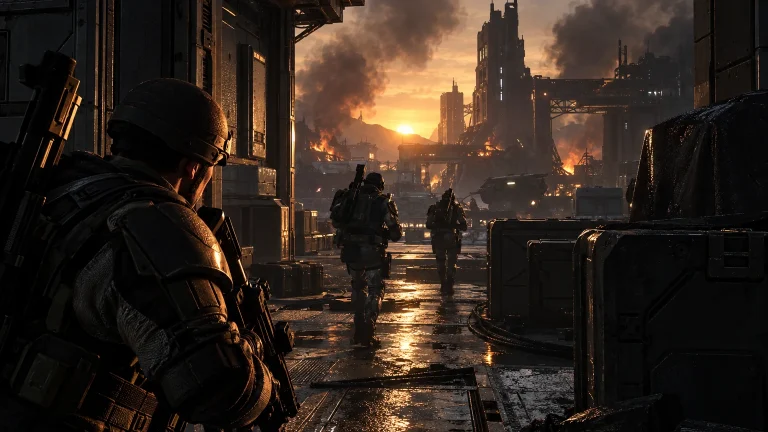
You finished the fifteen-mission campaign in Aliens: Fireteam Elite 2 and now you’re staring at the Endeavor’s menu wondering what’s actually left to do. The short answer: Horde mode and replaying the campaign on a harder difficulty are the two repeatable activities the game ships with, and the Specialist class is the tool built specifically to make those replays worth doing.
TL;DR
- Endgame in Fireteam Elite 2 means two things: Horde mode on its dedicated maps, and campaign missions replayed on a higher difficulty
- Casual, Standard and Intense are open from the start
- Extreme and Insane are expected to unlock after finishing the campaign, following the first game’s pattern — Cold Iron has not officially confirmed this for the sequel
- Specialist is a customizable endgame class assembled from abilities you’ve already unlocked on the other five classes
- Horde mode runs in five-wave rounds lasting roughly 12 – 15 minutes each, with an extraction choice at the end of every round
Campaign Completion
The full campaign completed on the difficulty you choose
What Counts as Endgame in Aliens: Fireteam Elite 2?
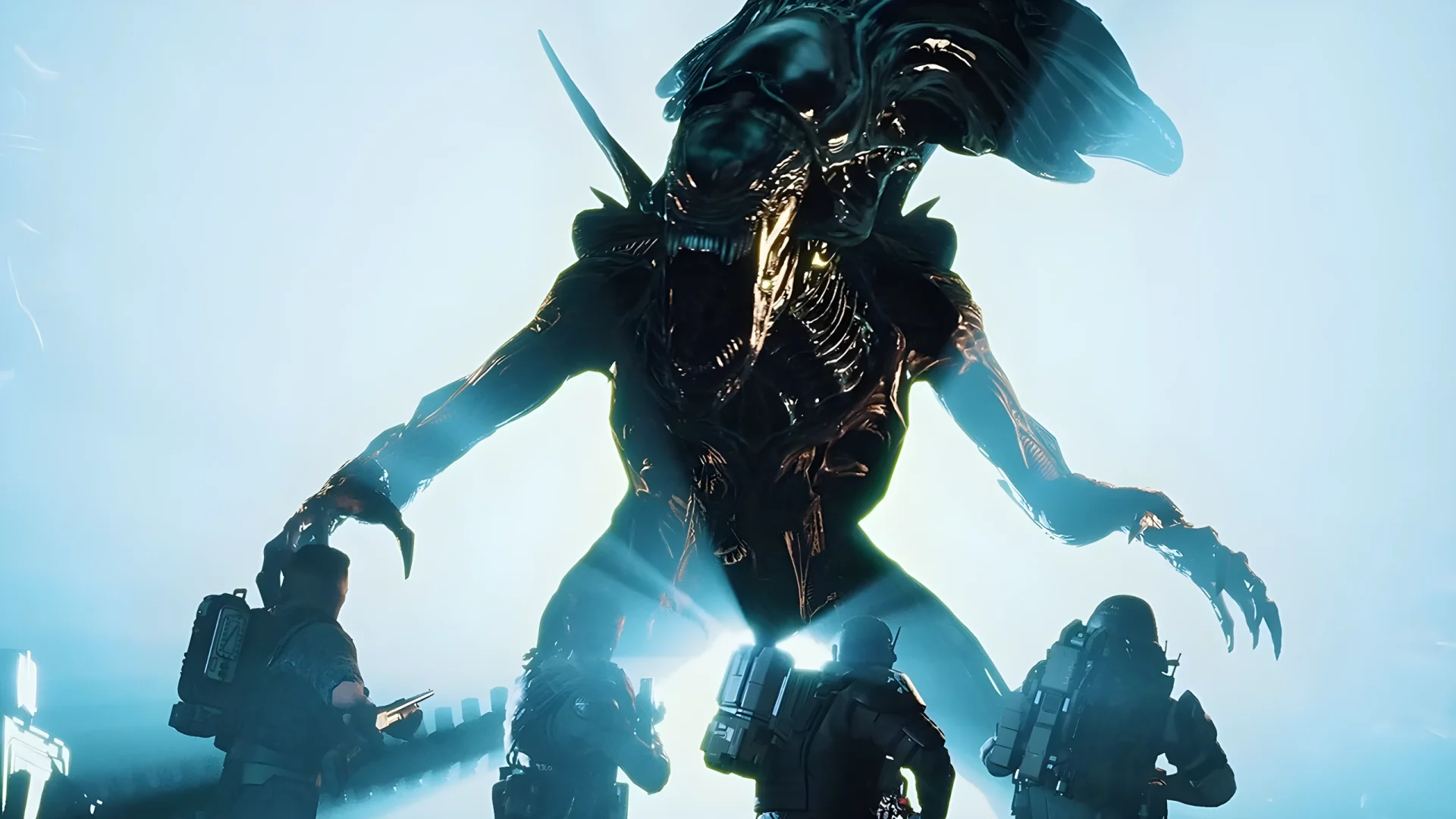
Endgame here isn’t a separate mode with its own currency or a raid tier — it’s the same fifteen missions and the same Horde maps you already have access to, just played under harsher rules. Once you’ve cleared the campaign’s chapters (Prologue through Final Endeavor across the game’s four biomes), the loop shifts to two repeatable tracks: fighting through Horde’s wave-based maps for loot and XP, or going back through story missions on a difficulty that changes how enemies behave rather than just padding their health bars. The launch day content guide covers what ships on day one across missions, biomes and crossplay if you need the full rundown of what’s actually in the box.
| Activity | What It Gives | Best For |
|---|---|---|
| Horde Mode (dedicated maps) | Credits, XP, and cosmetic drops, with rewards scaling the deeper a squad pushes before extracting | Squads that want short, replayable sessions without replaying story beats |
| Campaign replay on higher difficulty | Better reward crates, tougher challenge card combinations, more class XP | Players chasing gear and cosmetics tied to specific difficulty tiers |
| Specialist build experimentation | No drops of its own — it's a loadout tool built from what the other classes already unlocked | Anyone who's leveled the five base classes and wants a build tailored to a specific fight |
How the Difficulty Ladder Actually Drives Replays
Casual, Standard and Intense are available the moment you start a new game, so nothing about the early difficulty curve is gated. The part that matters for endgame is what sits above Intense. In the original Fireteam Elite, Extreme and Insane only opened up once you’d beaten the campaign, and every sign points to the sequel following the same structure — full squads, leveled classes, and a harder ruleset once the story is done. That said, this is an expectation carried over from the first game, not something Cold Iron has spelled out for Fireteam Elite 2 specifically.
Note
Extreme and Insane difficulty for Aliens: Fireteam Elite 2 are widely expected to unlock post-campaign, mirroring the first game, but this has not been officially confirmed by Cold Iron Studios. Treat any specific unlock requirement you see before patch notes land as unverified.
| Difficulty | Availability | What Changes |
|---|---|---|
| Casual | Available at start | Lighter enemy pressure, meant for learning the game or playing with new squadmates |
| Standard | Available at start | The default balance point |
| Intense | Available at start | Noticeably harder enemy behavior; expect friendly fire and tighter ammo economy based on the first game's model |
| Extreme | Expected post-campaign, unconfirmed for FE2 | Elevated enemy aggression and damage, per the first game's design |
| Insane | Expected post-campaign, unconfirmed for FE2 | The hardest tier, again unconfirmed officially for the sequel |
Getting the Most Out of Horde Mode and Higher Difficulties
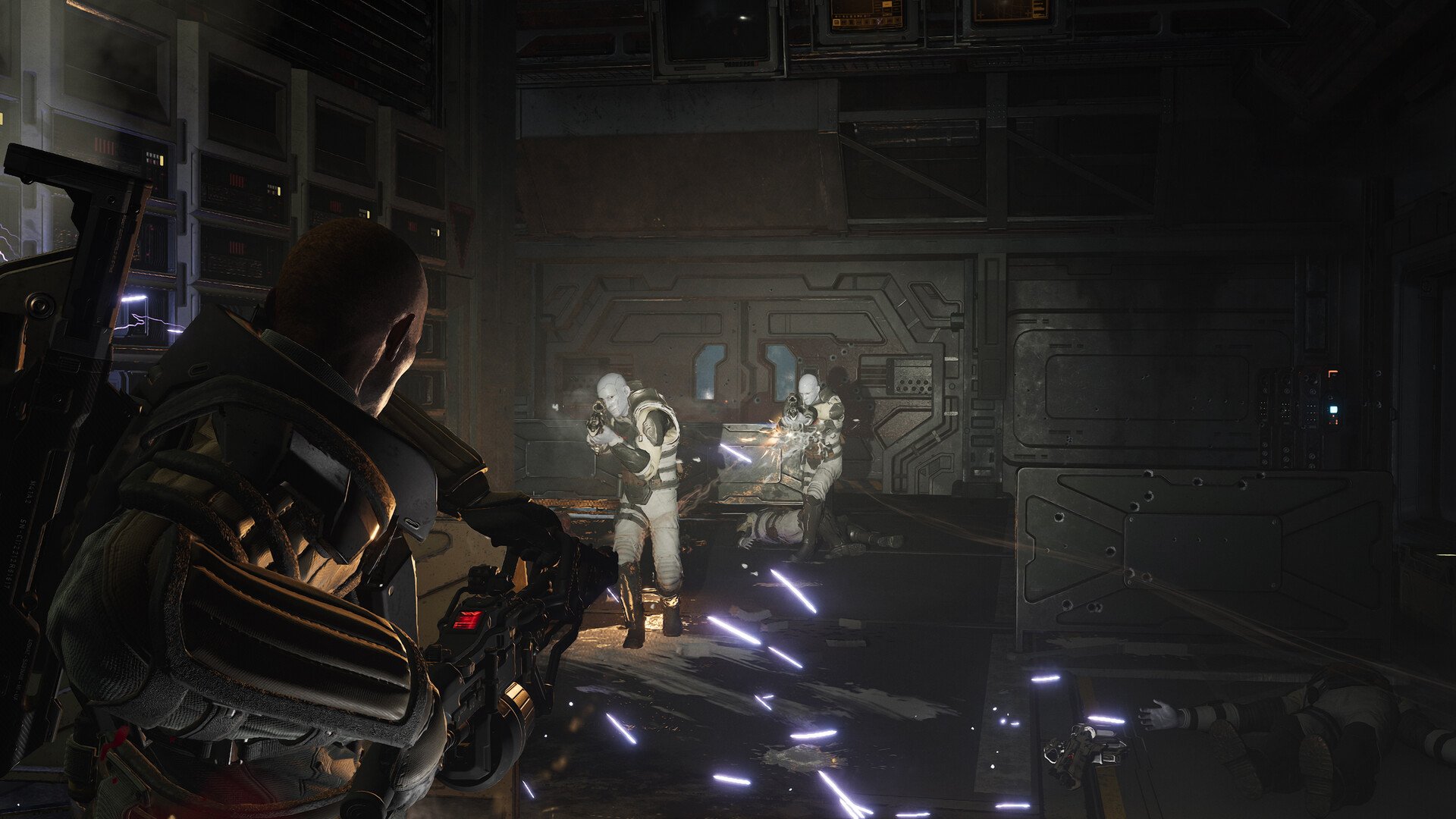
Horde mode is built around short, decisive sessions rather than an endless grind. Runs break into five-wave rounds, each taking roughly 12 – 15 minutes, and at the end of every round your squad chooses whether to extract with what you’ve earned or push further for bigger rewards at higher risk. That structure makes Horde easy to slot into a session where you don’t have time for a full mission but still want XP and loot. The Horde mode squad roles guide breaks down how to split responsibilities across a four-player team so rounds don’t fall apart the moment ammo runs low.
Step-by-Step: Endgame Loop Walkthrough
Because Specialist only exists once you’ve leveled the other five classes, the realistic price of a fully flexible endgame build is measured in class levels, not a single unlock. Expect to put real time into Marauder, Duelist, Machinist, Hunter and Medic individually — through both campaign replays and Horde rounds — before your Specialist has enough unlocked pieces to be worth building around. Cold Iron hasn’t published exact level thresholds, so treat any specific hour count as an estimate rather than a confirmed number for the current live build.
Follow this sequence to get it done fast.
-
1
Finish the campaign on Standard or Intense
this is the fastest way to level all five base classes and start unlocking Specialist pieces before you commit to a harder replay.
-
2
Check the difficulty screen for Extreme and Insane
if they've unlocked, that confirms the post-campaign gate is live for your build; if not, keep playing Intense and Horde until they appear.
-
3
Run Horde on its dedicated maps for fast XP and credits
five-wave rounds mean you can commit to a short session instead of a full mission.
-
4
Decide per round whether to extract or push further
deeper waves pay out more but raise the odds of a wipe costing you the run's rewards.
-
5
Start assembling a Specialist loadout
once you've put meaningful levels into Marauder, Duelist, Machinist, Hunter and Medic — pull the abilities and signature weapons you actually use.
-
6
Rebuild that Specialist per activity
a Horde-clearing loadout and an Extreme-difficulty campaign loadout should not look identical.
Anyone who would rather not spend the evenings on it can hand Aliens: Fireteam Elite 2 boosting to our crew instead — same account, same progress, played by hand.
Why Specialist Is Built for Endgame, Not for Your First Run
Specialist doesn’t have a fixed kit. It’s assembled from abilities, perks and signature weapons you’ve already unlocked on the five base classes, which is exactly why it’s positioned as endgame rather than a starting pick. There’s nothing to pull from until you’ve put in the leveling elsewhere. The classes explained guide covers how Marauder, Duelist, Machinist, Hunter and Medic each play before you start folding their pieces into a Specialist, and the Duelist rework breakdown is worth a look if you’re deciding which base class to prioritize leveling first.
Tip
Build a separate Specialist loadout for each activity instead of one generic setup. A configuration built for absorbing Horde’s escalating waves is a different tool than one built for a single hard Extreme mission, and reusing the same build for both leaves obvious gaps.
Class Leveling
The classes you pick, levelled to your target
Common Misconceptions About Fireteam Elite 2's Endgame
“Specialist is a sixth class you can pick from the start”
It isn’t. All five base classes — Marauder, Duelist, Machinist, Hunter and Medic — are playable immediately, but Specialist only exists as a container for abilities you’ve already unlocked on those five. There’s no version of Specialist available to a brand-new character.
“Extreme and Insane are confirmed endgame difficulties for this game”
They’re expected, based entirely on how the first Fireteam Elite handled its difficulty ladder. Cold Iron has not put out an official statement locking in that structure for the sequel, so treat it as a strong assumption rather than a patch-note fact until it’s verified in-game.
“Horde mode is just a side distraction from the real endgame”
Horde ships with its own dedicated maps at launch and is built around the same five-wave, extract-or-push structure that defines the rest of the endgame loop. It’s not a bonus mode bolted onto the campaign — it’s one of the two repeatable systems the game actually has post-campaign, alongside difficulty replays.
Our Take: Is Fireteam Elite 2's Endgame Worth Sticking Around For?
Our Take
Two systems, both genuinely repeatable, but neither hides that this is a co-op shooter and not a live-service game with seasons or a battle pass.
Horde mode’s five-wave, extract-or-push structure is a smarter shape than a flat endless grind, and Specialist gives leveling the other five classes an actual payoff instead of ending at a level cap with nothing to do with it. What’s missing is confirmation on the higher difficulty tiers — until Cold Iron actually states how Extreme and Insane unlock, anyone promising a specific hour count or unlock requirement is guessing, same as this guide is when it comes to exact thresholds.
Sources and Confidence
The endgame described here is checked against sources outside this site. Where a mechanic is known only from player reports, the row says so instead of implying the studio confirmed it.
| Claim | Where it comes from | Status |
|---|---|---|
| The game ships with a dedicated four-player Horde Mode and maps built for it | AvP Central | Specialist outlet |
| The Specialist class is aimed at the endgame and mixes skills across classes | AvP Central | Specialist outlet |
| Crossplay is available from day one | Steam store page | Official listing |
| Release date 25 August 2026 | AvP Galaxy | Specialist outlet |
| Exact reward tables and drop rates for endgame loops | No published source located | Unconfirmed |
Was this guide useful?
Aliens: Fireteam Elite 2 services
Class Leveling
Class Leveling
The classes you pick, levelled to your target · Perks and weapon slots that gate behind class level, unlocked
Specialist Unlock
Specialist Unlock
The Specialist class unlocked on your account, including the class levels it takes to reach it · Done when Specialist…
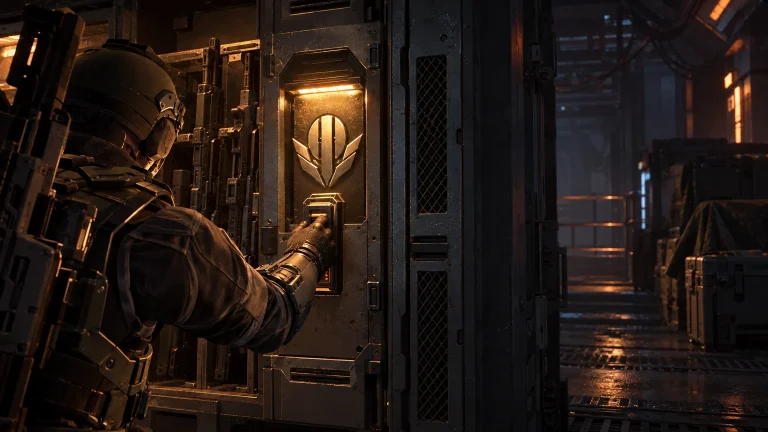
Campaign Completion
Campaign Completion
The full campaign completed on the difficulty you choose · Class XP and unlocks earned along the way stay on the account