
On this page
Hell Let Loose: Vietnam is the standalone sequel to Team17’s WWII shooter, built by developer Expression Games, and it moves the 50v50 combined-arms formula out of Normandy and into Southeast Asia. The change that actually matters isn’t the setting — it’s that the two factions no longer mirror each other the way German and American forces did in the original game. This guide covers the six unit types, the launch modes, the maps, and the messy honest numbers from day one.
TL;DR
- Matches run 50v50, roughly 100 live players split into squads of about six under one Commander per side.
- Six unit types at launch: Command, Infantry, Recon, Armour, Helicopter (US-only), and Mortar Squad.
- The sides are asymmetric — US Armed Forces get helicopters, the NVA gets tunnel networks, so tactics and what you should learn depend on which faction you pick.
- Six modes ship at launch, led by Warfare (tug-of-war over five sectors) and Offensive (attack versus defense).
- Launched August 13, 2026 to over 30,000 concurrent Steam players, but user reviews are Mixed after a delay of almost two months.
What Is Hell Let Loose: Vietnam?
Hell Let Loose: Vietnam is a 100-player tactical shooter developed by Expression Games and published by Team17, available on PC, PlayStation 5, and Xbox Series X|S. It’s a fully standalone release rather than an expansion — it is a fully standalone game, you do not need to own the original Hell Let Loose to play, and the two games are separate products. There’s no single-player content either: Hell Let Loose: Vietnam is multiplayer-only, with no campaign, no bot matches, and no offline mode. Every match is 50 vs 50, roughly 100 live players total, divided into squads of about six each led by a Squad Leader, with one Commander per team.
The core split is the US Armed Forces against the North Vietnamese Army, including NVA regular forces and Viet Cong, with each faction running unique asymmetric mechanics — US forces have helicopters while the NVA can construct tunnel networks. This is the detail worth internalizing before anything else: playing one side well does not automatically teach you the other.
| Side | Signature asset | What it changes in a match |
|---|---|---|
| US Armed Forces | Helicopters | Fully operational helicopters for fire support and supply drops |
| NVA / Viet Cong | Tunnel networks | Extensive tunnel networks built to gain the upper hand with surprise attacks |
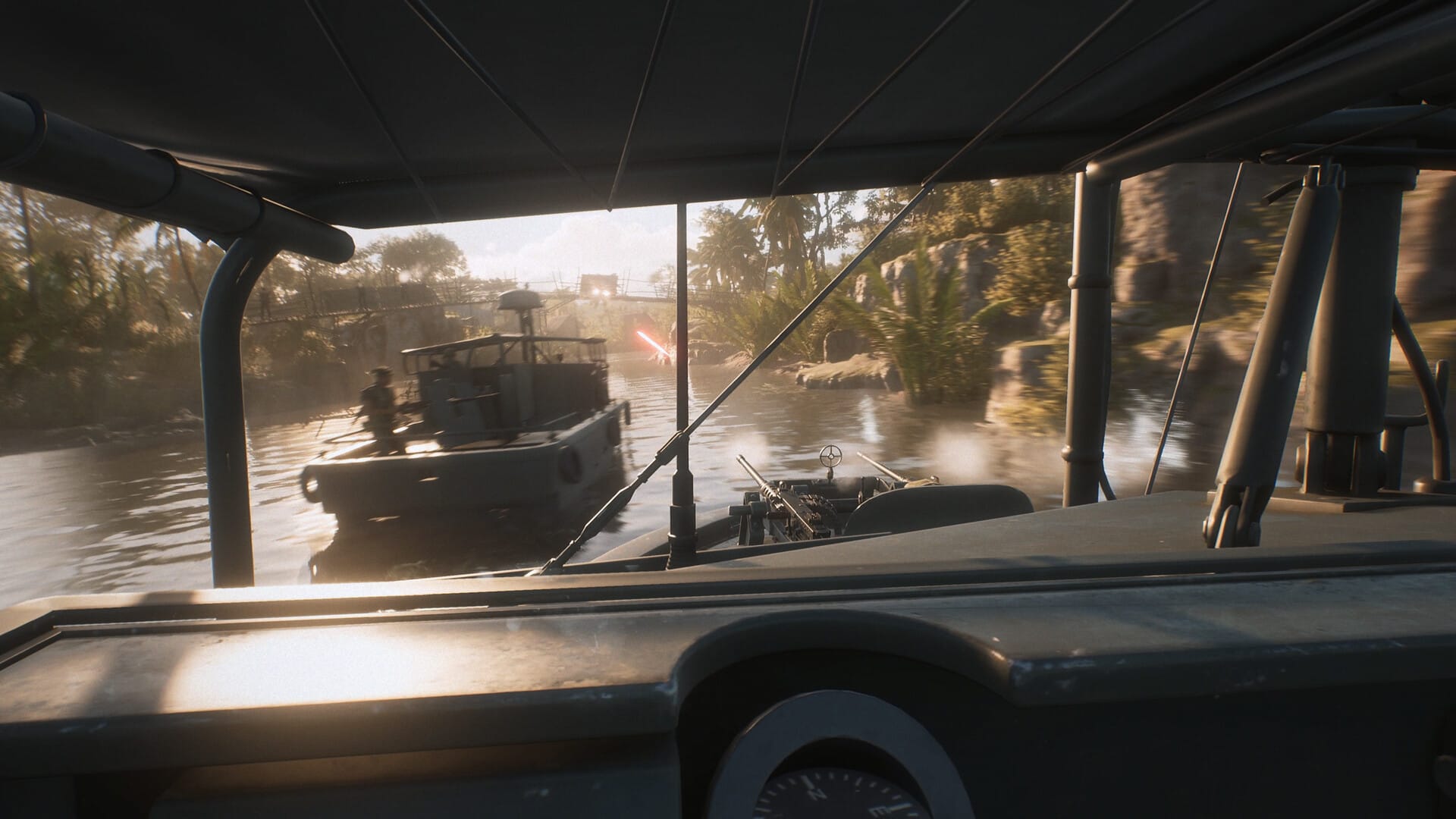
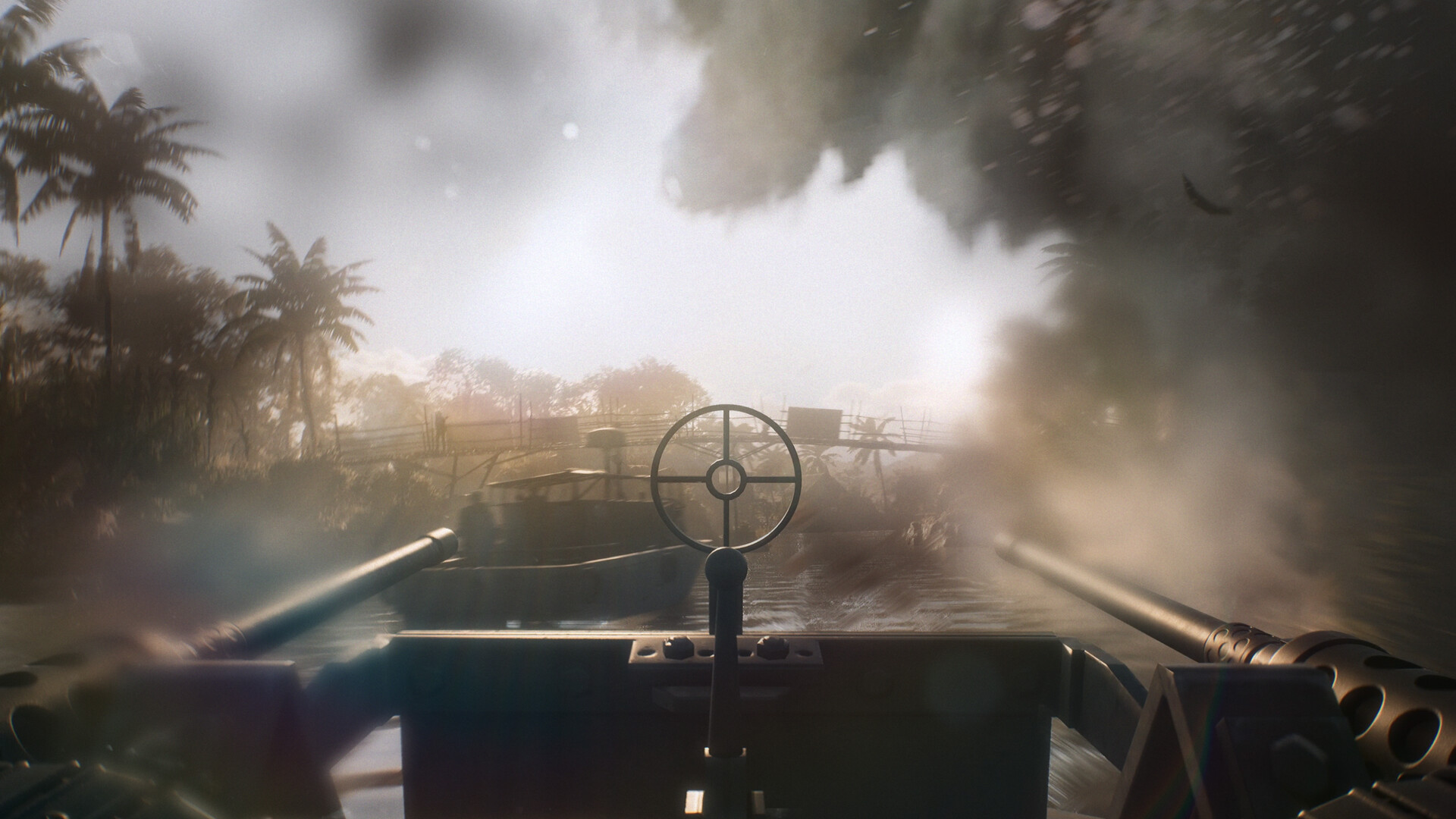
| Both sides | Patrol boats | Heavily armed patrol boats used to hunt the enemy through Vietnam's river network |
The Six Unit Types Explained
Roles in Hell Let Loose: Vietnam are grouped under six unit types: Command, Infantry, Recon, Armour, Helicopter, and Mortar. Chain of command still runs the show — Officers act as the link between the Commander and the troops, directing their unit, keeping cohesion, and placing Outposts, Garrisons, and Forward Positions to keep the team in the fight. Reporting from beta builds also points to a weight-based loadout system, where equipment options grow as you level up rather than every class carrying a fixed kit forever — treat that as likely-but-not-final until you check it in the client.
| Unit type | What it's responsible for | Who it suits |
|---|---|---|
| Command | The strategic brain of the team — coordinates Officers, deploys command abilities, and shapes the battle from the tactical map | Players who want to think in objectives, not kills |
| Infantry | The front-line heart of every unit, covering Squad Leader, Rifleman, Grenadier, Engineer, Medic, Specialist, and Machine Gunner | New players — smallest coordination burden |
| Recon | Provides information first and precision fire second via Spotter and Sniper | Patient players who like coordinated long-range play |
| Armour | Tank Commander coordinates the crew by selecting routes, assigning targets, and communicating with infantry | Players comfortable running a two-to-three person team inside one vehicle |
| Helicopter (US only) | Fire support and supply drops — this unit has no NVA equivalent | US-side players who want the faction's signature power spike |
| Mortar Squad | Indirect fire support split across Observer, Support, and Gunner | Players who like map awareness over direct combat |
Warfare vs Offensive: Why the Launch Modes Aren't Interchangeable
Six modes ship at launch, and the difference between the two headline ones isn’t cosmetic. Warfare mode is a 50 vs 50 tug-of-war style confrontation where two teams fight for control over 5 sectors, with both sides starting on opposite halves of the map around a neutral sector, then fighting to push the opposing army back toward its headquarters. Offensive breaks down the opposing forces into an attacking side and a defending side instead — success for the attacker means capturing points on a timer, while the defender just has to hold. Four alternating game modes mix up the gameplay parameters beyond those two; one outlet reported two of them as new modes called Conquest and Domination, though the full rotating list is still being confirmed across sources.
| Mode | Structure | What counts as a win |
|---|---|---|
| Warfare | Symmetric tug-of-war over five sectors | Push the enemy back to their HQ before time or tickets run out |
| Offensive | One team attacks, one defends | Attacker: capture objectives in sequence. Defender: run the clock out |
| Rotating modes (4) | Varied battlefield parameters, still being confirmed | Changes per mode — check the in-game playlist for the current list |
Six Launch Maps and the Movement System
The launch content covers six large-scale maps inspired by real locations from the Vietnam War, where dense jungles, waterways, villages, rice paddies, and uneven terrain make visibility and positioning considerably different from the open European battlefields of the original game. Only a couple of names are fully locked across sources: Thanh Hóa Bridge and Đắk Tô Airfield are confirmed, alongside jungle, rice paddy, river delta, and central highlands theatres inspired by real operations. Treat the exact remaining map names as unsettled until you check the in-game map list, since coverage varies on the finer details.
Movement itself got real additions rather than a fresh coat of paint. Enhanced player movement includes swimming, climbing, and fast crawling, plus interactions such as dragging co-combatants away from active fire to give them a chance to heal and re-engage. None of that is new to shooters individually, but stacking swimming, climbing, fast crawling, and a drag-to-safety revive together on a 50v50 map is not something the original Hell Let Loose offered.
Tip
Dragging a downed teammate out of fire only works if someone is close enough to reach them before they bleed out — treat it as a Medic and Squad Leader habit, not something you do solo mid-firefight.
| Map | Status |
|---|---|
| Thanh Hóa Bridge | Featured during the earlier Steam Open Beta |
| Đắk Tô Airfield | Featured in the July cross-platform playtest |
| Remaining four | Jungle, rice paddy, river delta, and central highlands themed — exact names not fully consistent across sources |
Step-by-Step: Your First Match Walkthrough
Follow this sequence to get it done fast.
-
1
Pick a faction on purpose
decide between US Armed Forces and NVA based on whether you want helicopter support or tunnel-based ambush play, since the two teach different habits.
-
2
Join an Infantry unit first
Rifleman or a similar basic role has the smallest coordination burden and lets you learn voice channels before taking on a specialist job.
-
3
Find your Squad Leader and listen
squads spawn, resupply, and move as a unit, so your first job is following orders, not freelancing.
-
4
Learn the movement kit early
practice swimming, climbing, and fast crawling in a quiet moment rather than discovering the controls under fire.
-
5
Watch the tactical map for sector or objective changes
Warfare and Offensive both punish players who don't know what the Commander is trying to capture or hold.
-
6
Switch unit types once you understand the basics
Recon, Armour, Mortar, and (on the US side) Helicopter all demand more squad awareness than a first match usually gives you.
Launch Numbers: Players, Reviews, and the Two-Month Delay
Hell Let Loose: Vietnam was first shown at Gamescom 2025 and originally targeted a June 18, 2026 release. That didn’t hold: after an open beta weekend that peaked at roughly 24,000 concurrent players on Steam, the teams pushed the launch to August 13 to work through issues found in that test and in internal PC and console playtests, which lines up with reporting that the release was pushed back by almost two months to August 13. On launch day itself, the game promptly topped 30,000 concurrent Steam players, one of the series’ biggest single-day turnouts. Critic scores landed well, but the crowd reaction split from that — Steam’s own listing currently shows the game rated Mixed, with 57% of 2,060 user reviews positive, while early coverage put critics’ score at 78 on Metacritic.
Warning
Early user complaints center on bugs, VOIP problems, performance, server issues, and visibility rather than the core design. A Mixed rating one day after launch is common for 100-player tactical shooters and can shift once patches land, but the launch weeks were rough on servers — Update 1.5 (September 2026, with the M14, Type 56 SKS and the Huey) is the first big content patch, so check current player reports before buying.
Common Misconceptions About Hell Let Loose: Vietnam
Learning One Side Doesn’t Teach You the Other
The habit of “learn one faction, understand both” carries over from most shooters with cosmetic-only sides, and it doesn’t work here. The US Armed Forces revolve around calling in helicopter support and supply drops, while the NVA revolves around building and using tunnel networks for ambushes. A player who’s spent every match on one faction genuinely has to relearn positioning, patience, and squad roles on the other.
How Many Roles Does It Actually Have? Sources Disagree
You’ll see both 17 and 19 quoted for the total role count, and neither number should be treated as settled fact yet. Most listings describe 17 specialised roles across six battlefield unit types, though some sources cite 19, with the exact number expected to be confirmed at launch. Part of the confusion traces back to store listings themselves: some older store text still lists 17 roles, while the current PlayStation product page and official game overview list 19. Until Expression Games publishes a single definitive role list, treat any exact count as a best-available estimate rather than a locked number.
A Bigger Player Count Doesn’t Mean a Faster Game
Fifty-a-side sounds like it should mean nonstop action, but that’s not what the series has ever delivered. Its 50v50 battles still demand patience and communication, which will inevitably limit its appeal among players looking for a faster run-and-gun shooter. If you’re coming from a fast-paced military shooter, expect long stretches of movement and positioning between actual firefights.
Our Take: Is Hell Let Loose: Vietnam Worth Playing at Launch
Our Take
The asymmetric factions are the real selling point here, and they hold up as a genuine design shift rather than a reskin.
Giving one side helicopters and the other tunnel networks changes what a squad actually needs to practice, and that’s a bigger structural change than swapping uniforms and weapons for a new war. The rough part is timing: a Mixed Steam rating and reports of bugs, VOIP issues, and server friction a day after launch mean the technical side hasn’t caught up to the design side yet. If you already know the original Hell Let Loose and can tolerate early patch cycles, the faction asymmetry alone makes this worth learning now. If you’re patch-averse, waiting a few weeks for server stability costs you very little.
Was this guide useful?