On this page
Tarkov PvE and Tarkov PvP are two separate games wearing the same map pool. The short answer: pick PvE if you want AI-only raids with a character that never gets forcibly reset, pick PvP if you want to fight real players and, if you want it, an optional seasonal ladder. This guide breaks down exactly what differs, what’s identical, and which one actually fits how you want to spend an evening.
TL;DR
- PvE and PvP progress never transfers — loot, XP, trader levels, everything lives on two separate characters
- PvE has no live human opponents unless you invite them into your own group; everyone else is an AI PMC
- Your permanent PvE and permanent PvP characters are not force-wiped; only the optional seasonal PvP character resets
- Prestige only exists on the PvP side; PvE has no prestige system
- Trader loyalty, PMC skills, and post-death behavior work the same way in both modes — they just don’t share data
PvE Leveling 1-25 + 10M Roubles
Opens mid-tier trader stock and the quests after it
What Actually Separates Tarkov's PvE and PvP Modes
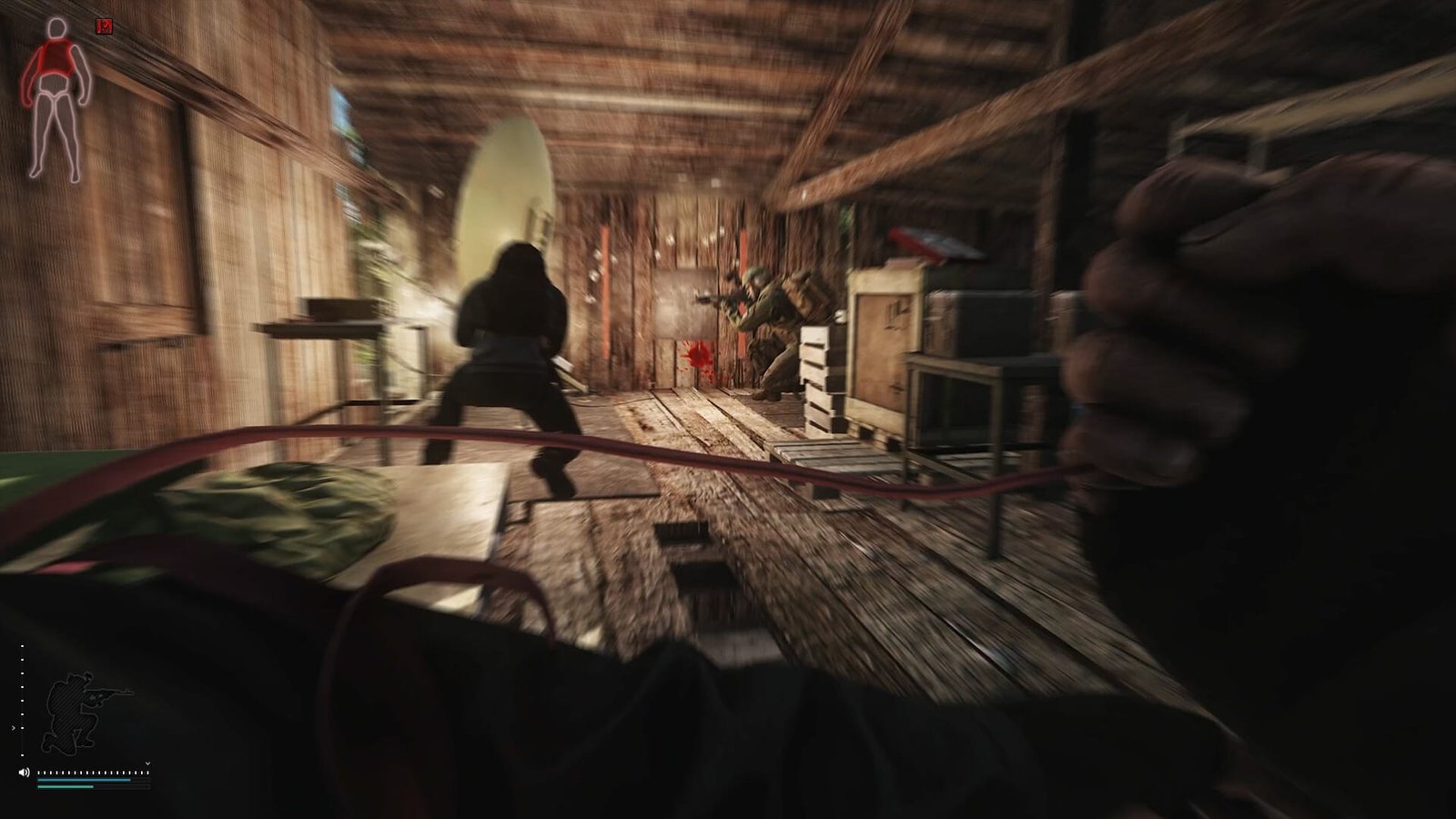
PvE and PvP in Escape from Tarkov are two selectable modes that run the same maps, quests and Hideout structure but keep entirely separate save files. Choosing PvE puts you into raids populated only by AI-controlled PMCs and Scavs; PVE is ONLY AI PMCs and the only other humans you encounter will be if you group up with someone to play with. PvP is the standard mode where every other PMC you meet is a real player. Since patch 1.1.0.0 dropped Season 1 “Kord Breach,” there’s technically a third option on the PvP side: a seasonal character. That gives you three character tracks total — permanent PvP, seasonal PvP, and permanent PvE — and none of them talk to each other.
Not everyone has the evenings for this — Escape From Tarkov boosting covers the same ground with someone else on the keys.
The One Fact That Decides Everything: Progression Is Never Shared
Before comparing features, get this straight: whatever you build in one mode means nothing in the other. Levels, stash, tasks, Hideout upgrades, Flea Market progress, and trader reputation do not affect permanent PvP and PvE profiles. Your PvE PMC and your PvP PMC are functionally two different people with two different stashes, two different trader relationships, and two different Kappa containers. A hundred hours grinding trader loyalty in PvE buys you nothing when you load into a PvP raid — you start that trader relationship from scratch, on a different character, in a different economy.
That single fact is why the mode choice matters more than most players treat it. It’s not a difficulty slider you flip mid-session. It’s closer to choosing which save file you’re going to invest your evenings into, because the other one sits frozen and untouched no matter how much time you spend elsewhere. If you’re deciding where to put your first serious hours after Season 1 launched, our Kord Breach reset guide covers exactly what resets and what doesn’t when a new season starts — worth reading before you commit hours to a seasonal character specifically.

PvE vs PvP: Every Difference That Matters
Once you accept the progress split, the remaining differences are mechanical, not cosmetic. Here’s what actually changes between the two modes.
On events specifically: PVP sometimes have events that arent enabled for PVE, so if a limited-time event is the reason you’re logging in, check which mode it actually runs in before you commit a raid slot to it.
| What you're comparing | PvE | PvP |
|---|---|---|
| Opponents | AI PMCs and Scavs only; humans appear only if invited to your group | Live players in every raid |
| Permanent character wipe | Never force-wiped | Permanent character never force-wiped |
| Seasonal character wipe | No seasonal track exists for PvE | Optional seasonal character resets at the end of each season |
| Prestige system | PVP has prestige, PVE doesnt | Available, tied to the permanent PvP character |
| Events | Some events are not enabled in PvE | Full event participation |
| Leagues (weekly XP ladder, added in 1.1.5.1) | Not stated. Leagues are tied to Seasonal characters, and BSG’s note does not mention PvE at all | Seasonal character only: groups of 50 of your rank, ranked by the week’s XP; top 25 rank up, 15 stay, 10 drop; first-time rank rewards are permanent |
What Works Identically in Both Modes
It’s a shorter list than the differences, and that’s the point — the underlying raid mechanics don’t change depending on who you’re shooting at. Both game modes work identical: your trader levels etc, your pmc level, skills etc remains the same if you die in a raid. Nothing about how the systems function is dumbed down or altered for PvE; it’s the exact same Hideout, trader loyalty math, and skill-leveling logic, just running on a separate profile.
| System | How it behaves |
|---|---|
| Trader loyalty levels | Same requirements and unlocks, tracked independently per mode |
| PMC level | Same XP curve and level-gated content in both modes |
| Skills | Same skill system and progression rules |
| Post-death behavior in raid | Same insurance, item-loss and extraction rules apply on death |
Which Mode Fits Your Evening, Not Your Skill Level
Don’t frame this as “am I good enough for PvP.” Frame it as what you actually want out of the next couple of hours. Someone who wants to learn map layouts, finish quest lines, and loot without worrying a squad of geared players is watching their extract doesn’t need to be talked into “toughing out” PvP — PvE is the honest recommendation for that person, not a consolation prize.
You want a relaxed loot-and-quest session
PvE removes live-player risk entirely. Your gear is only ever at risk from AI, and your character isn’t going anywhere from a seasonal reset. This is the direct answer to “is Tarkov PvE worth it” for anyone whose priority is finishing tasks and building a stash without the adrenaline spike of another PMC pushing your position.
You want the real competitive loop
PvP on your permanent character is the mode for testing yourself against other players with everything on the line, while still keeping the safety of a character that never gets wiped outright.
You want a fresh ladder and don’t mind losing it later
The Kord Breach seasonal character is built for this: a fresh economy, seasonal modifiers, and a battle pass, all on a profile that resets when the season ends without touching your permanent progress either way. Since 1.1.5.1 that character also carries the only ladder Tarkov has ever had inside the raid loop — Leagues, covered in the next section.
Leagues (1.1.5.1): The Weekly Ladder Only Seasonal Characters Can Climb
Updated 16 September 2026. Patch 1.1.5.1, installed on 15 September, added the first competitive system that lives inside raids rather than beside them — and it is “available only for Seasonal characters”. That makes it a new entry in the mode decision above: a permanent PvP character and a PvE character get nothing from it, whatever they do this week. Everything below is quoted from BSG’s Leagues are live! note; the note says nothing about PvE, so we do not either.
How it works, in BSG’s words: “After your first raid, you’ll be placed into a group of 50 players of your rank. Each group has its own leaderboard. Your position on the leaderboard is determined by the amount of experience you’ve earned during the week.” What counts is ordinary raid XP — “eliminating PMCs, Scavs, and Bosses, completing tasks, examining items, and so on” — and what does not is Arena: “Experience earned in EFT: Arena won’t count toward Leagues, but will still be awarded to your character.”
The weekly cut: “At the end of each week, the top 25 players will rank up, 15 will remain at their current rank, and 10 will be demoted.” Rewards are one-way: “The first time you reach a new rank, you’ll receive its corresponding rewards. These rewards are yours permanently, even if your rank is later reduced”, and they “will be available in all modes”, with a caveat that in-game mail “may arrive in PvP and PvE modes with a delay”. One line matters for anyone thinking about a mid-season restart: “When a Seasonal character’s progress is reset, the current Rank and all experience earned during the week will be reset.”
What this changes in the choice
Before 1.1.5.1 the seasonal character was a fresh economy and a battle pass; now it is also the only place where a week of XP is scored against 49 other people. If a ladder is what you want, the seasonal PvP character is no longer one option among three — it is the only one that has it. If you want the loot-and-quest loop without a scoreboard, nothing changed: PvE and the permanent PvP character sit outside Leagues entirely.
Not in the note
Rank names and how many there are, what each rank’s reward is, when the week rolls over, and whether Seasonal characters in PvE (if BSG ever runs a PvE season) would take part — none of this is in the 1.1.5.1 text. Those answers are in the client only.
Step-by-Step: How to Pick Your Tarkov Mode Tonight
Tip
If you’re on the fence, PvE is the lower-risk way to learn the maps and finish early quest lines, since a bad raid only costs you to AI, not to a geared squad camping your extract.
Follow this sequence to get it done fast.
-
1
Name what you actually want from the session
quest progress and loot, or a real fight against other players.
-
2
Check your tolerance for losing gear to another human
if that idea alone makes you hesitate, that's your answer, go PvE.
-
3
Decide if a ladder or prestige track matters to you
only PvP offers prestige and seasonal rankings.
-
4
Pick permanent or seasonal on the PvP side
permanent for long-term investment, seasonal for a contained, lower-stakes ladder.
-
5
Create the character for that mode
remember it starts from zero and shares nothing with any character you already have.
-
6
Revisit the choice each season
your permanent characters wait for you either way, so switching later costs you nothing on the profiles you're not touching.
Silver Token Farming
No account transfer needed for this one
Can You Play Both? What It Costs in Time
Nothing stops you from running both modes, but understand what you’re signing up for: two separate trader grinds, two separate Hideout builds, two separate stashes to manage. Playing both isn’t “more content on one save,” it’s committing to two saves in parallel.
| Approach | Time commitment | Best for | |||
|---|---|---|---|---|---|
| PvE only | One profile to maintain | Players who want steady, low-stress progress without duplicating effort | |||
| PvP only (permanent) | One profile to maintain | Players focused on the competitive loop and prestige | Both PvE and PvP | Effectively double the grind — separate quests, traders and stash on each | Players with the time to treat it as two hobbies, not one |
Common Misconceptions About Tarkov PvE and PvP
Myth: your PvE progress carries over if you switch to PvP
It doesn’t, in either direction. Trader levels, Kappa progress, Hideout stage — none of it moves between the two profiles. If Hideout station order is something you’re planning around before committing to a mode, that’s worth mapping out separately for whichever character you actually build.
Myth: Season 1 wiped PvE characters too
No. The seasonal system introduced with Kord Breach only touches the optional seasonal PvP character. Permanent PvE and permanent PvP were both left alone when the season launched.
Note on timing
Wipe rules changed materially in 2026: the last traditional forced full wipe was the 1.0 launch in November 2025, and the seasonal system arrived with Kord Breach on patch 1.1.0.0. This article reflects that state; if Battlestate Games revises the season cadence again, check current patch notes before assuming these rules still apply exactly as described.
Our Take: Is Tarkov PvE Worth It, or Just PvP's Waiting Room
Our Take
PvE isn’t a lesser version of Tarkov, it’s a different answer to a different question.
Treating PvE as a stepping stone toward “real” PvP misses why it exists: a permanent character with no live-player risk and no forced wipe is a genuinely different experience, not training wheels. If you know you want the ladder, the prestige, and the possibility of a random player ending your raid, go PvP and pick permanent or seasonal based on how much you want at stake. If none of that appeals, PvE gives you the same Hideout, trader, and skill systems without gambling your loot against another person’s aim.
Was this guide useful?
Escape From Tarkov services
PvP · Leveling
PvP Leveling 1-20
Priced per level: pick your start and target · You pay for the climb you need, nothing else
PvP · Leveling
Level 1-50 + Roubles + Full Trader Unlocks
Every trader opened through their own quest lines · A substantial rouble balance banked
PvP · Item Farming
Quest Item Farming — LEDX, GPU, VPX & More
LEDX, graphics cards, VPX, COFDM and the rest · The items that block quests and hideout upgrades