
On this page
Buff stacking in Elden Ring does not work the way most players assume: temporary buffs are sorted into a handful of overwrite categories, and only one buff per category can be active on you at a time. Cast a second buff from a category you already have running and it does not add to the first one, it replaces it. This guide covers what actually adds up, what wipes itself out, and how to order a buff stack before a boss without wasting a cast.
The category system exists so a mage who casts every buff in their spellbook doesn’t get an absurd, uncapped damage multiplier. The general guideline is that you can only have one buff from each category active at a time, other than unique buffs. Aura Buffs are effects that make changes to the player and surrounding allies, while Body Buffs affect the damage, defense, or other attributes of a single player. Weapon buffs and temporary HP regeneration effects work the same way inside their own categories. Sitting outside all of this are unique and passive effects, and all unique buffs can be stacked indefinitely with each other as long as the conditions are met.
TL;DR
- Temporary buffs are split into categories (aura, body, weapon, HP regen); only one buff per category is active at once
- Golden Vow (aura) and Flame, Grant Me Strength (body) stack because they sit in different categories
- Two aura buffs, or a buff and a same-category consumable, overwrite each other instead of combining
- Unique effects, talisman passives, Great Runes and armor set bonuses stack freely with everything
- Old Lord’s Talisman adds 30% to spell buff duration, and duration matters more than raw power for boss prep
| Category | What it covers | Typical example |
|---|---|---|
| Aura | Buffs that affect you and nearby allies | Golden Vow |
| Body | Personal damage, defense or stamina buffs, plus certain consumables | Flame, Grant Me Strength |
| Weapon | Temporary elemental or status infusions on your weapon | Bloodflame Blade, elemental grease |
| Temporary HP regen | Timed healing-over-time effects | Bestial Vitality, Crimsonburst Crystal Tear |
| Unique / passive | Great Runes, talisman effects, armor set bonuses, some Ash of War buffs | Great Rune of Godrick, talisman passives |
Best Build
We assemble a top-tier build for your character
Buff Stacking Rules: What Combines and What Overwrites
The category is what decides everything. Two buffs from different categories run side by side; two from the same category fight for the same slot and the newer cast wins. A steam player who tested it directly on Flame, Grant Me Strength and Golden Vow got a clean answer: protection spells like divine resistance, flame protect me, and black flame protection don’t stack, and that category also includes consumables like dried liver and prawn/crab, and Flame Grant Me Strength is also part of that “body buff” category, but Golden Vow is not and would stack. Community testing has repeated this pairing enough times that it’s safe to treat as reliable: Golden Vow and Flame, Grant me Strength stack.
HP regeneration works the same way but people notice it the hard way. Players who tried layering Bestial Vitality on top of a Crimsonburst Crystal Tear found the numbers don’t combine: Bestial Vitality gives around 5hp a second versus Crimsonburst giving around 7hp a second, but the regen status overwrites, so whichever one is used second is the one that’s active — you do not get both added together. That’s the category rule in miniature: same effect type, one slot, newest cast wins.
Temporary Regen Is Not the Same as Permanent Regen
The overwrite rule only applies to activated, timed effects. There’s a separate permanent layer that never fights for a slot: there is also a “permanent hp regen” effect the player can get, such as from the Blessed Dew talisman, and the difference between these effects is that the temporary one is consumable or activated, whereas the permanent one comes from equipment.
Consumables Share Slots With Spells
A lot of players assume potions and food items live outside the spell categories. They don’t. Dried liver, Boiled Prawn and Boiled Crab occupy the same body-buff slot as Flame, Grant Me Strength, so eating one after casting the spell just overwrites it rather than adding a second layer of protection.
| Category | Example | Stacks with |
|---|---|---|
| Aura | Golden Vow | Body, Weapon, HP regen and unique effects — not a second aura buff |
| Body | Flame, Grant Me Strength / Boiled Prawn or Crab | Aura, Weapon and unique effects — not other body buffs or protection consumables |
| Weapon | Bloodflame Blade / elemental grease | Aura, Body, HP regen and unique effects — not a second weapon buff |
| Temporary HP regen | Bestial Vitality / Crimsonburst Crystal Tear | Aura, Body, Weapon and unique effects — not another temporary regen buff |
| Unique / passive | Great Runes, talisman passives, armor set bonuses | Everything, including each other, at all times |
Anyone who would rather not spend the evenings on it can hand Elden Ring boosting to our crew instead — same account, same progress, played by hand.
Buff Order Before a Boss Fight: What to Cast First
Once you know your buffs don’t stack within a category, the real optimization isn’t finding more buffs — it’s sequencing the ones you already have so their timers run out together instead of one falling off mid-fight. This is also where the same discipline used for reading a boss order pays off: knowing roughly how long a fight’s opening phase takes tells you whether your stack needs to survive 40 seconds or 90.
Old Lord’s Talisman extends the duration of Spells by 30%. It affects both Sorceries and Incantations, and crucially spells and buffs cast by other players that apply their effects on the talisman’s user are affected and have their duration extended, regardless of whether the caster has the talisman equipped. It does not touch weapon-skill buffs though: it does not affect any Ashes of War except Rallying Standard, and will not affect anything that is not a spell. Community duration testing puts the numbers at Golden Vow at 80 seconds (104 with Old Lord’s Talisman), and Flame Grant Me Strength at 30 seconds (39 with Old Lord’s Talisman).
This is why duration matters more than raw magnitude for boss prep: a buff that runs out 15 seconds into a fight is worthless for the rest of it, no matter how strong its number looked on the status screen. Order your casts so the longest-running buffs go on first, while you still have walking time before the fog gate, and save the shortest ones for the last few steps.
Tip
If you’re not sure whether a buff landed or got overwritten, open the character status screen and compare your stats before and after casting — it’s the only reliable way to confirm a buff is actually active rather than assumed.
Follow this sequence to get it done fast.
-
1
Equip Old Lord's Talisman if you lean on spell buffs
it stretches every sorcery or incantation buff you cast by 30%, including ones a co-op partner casts on you.
-
2
Cast your aura buff first
Golden Vow-type buffs tend to run the longest, so applying them early means they're still active when you actually reach the arena.
-
3
Follow with your body buff
something like Flame, Grant Me Strength has a shorter timer, so casting it after the aura keeps both buffs closer to expiring together.
-
4
Apply your weapon buff last
elemental infusions and grease buffs usually have the shortest window, so save them for right outside the fog gate.
-
5
Recast any HP regen incantation immediately before entering
temporary regen buffs are short and only one can be active, so there's no benefit to casting it early.
-
6
Check your status screen once
before walking in, confirming the buffs you expect are actually the ones showing active.
What a Buff Stack Actually Gives You in a Boss Fight
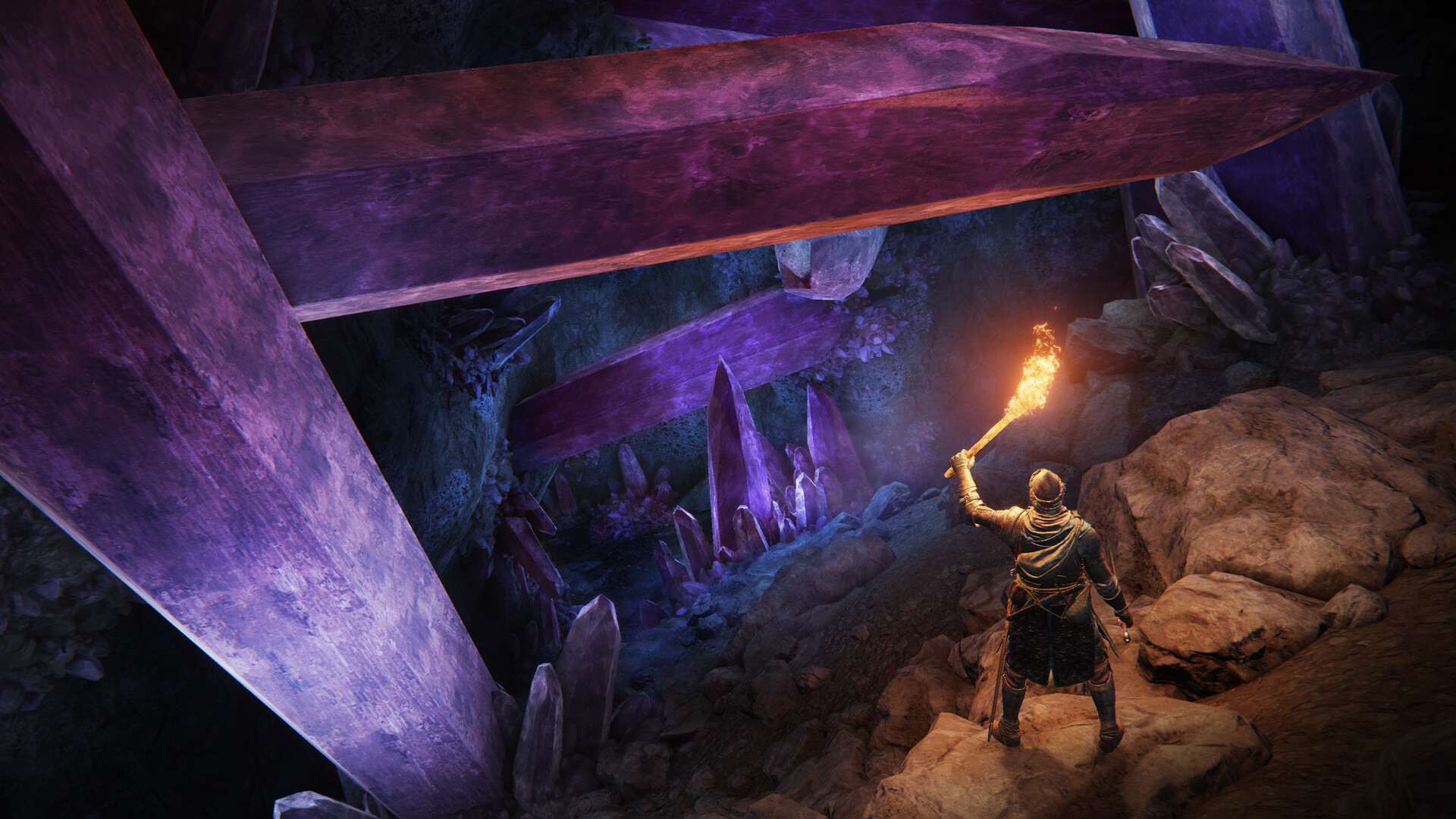
A well-ordered stack does not remove a boss’s moveset. It doesn’t skip a phase transition, and it won’t make an unlearned attack pattern safe to eat. What it does is compress the amount of time you need to spend not making a mistake. Extra damage from a stacked aura and body buff shortens a fight, which means fewer total openings you need to punish and fewer total attacks you need to dodge before the boss goes down. That’s the actual value: margin, not a shortcut around learning the fight. If a boss still two-shots you at full health with buffs active, the fix is levelling Vigor or improving your dodge timing, not adding a third buff that would overwrite one you already have anyway.
Note
Buff category assignments and specific values have been adjusted by patches before — Terra Magica’s damage bonus, for example, was reduced from a 35% multiplier down to roughly 22.5% in a past balance pass. Treat the category logic here as the stable part and re-check exact numbers on a current wiki before relying on them for a hard fight.
Shadow of the Erdtree Uses a Different System: Scadutree Blessings
None of the category rules above apply to the Shadow of the Erdtree expansion’s power curve. Instead of temporary casts you refresh before a fight, the DLC scales your damage and defense through Scadutree Blessings, collected from Scadutree Fragments and banked permanently rather than applied and timed out. It’s a separate progression layer specific to the expansion’s map, not a buff category, and it’s worth not conflating the two systems when you’re troubleshooting why a setup feels weaker there than in the base game. The full breakdown of collecting and spending those Blessings alongside upgrade materials belongs with Elden Ring’s Ancient Smithing Stones guide, since both systems gate your effective power level in ways that plain buff stacking doesn’t touch.
| System | How it works | Where it applies |
|---|---|---|
| Buff categories | Temporary casts and consumables, one active per category, refreshed manually | Everywhere in the base game and the DLC |
| Scadutree Blessings | Permanent level-based scaling collected from Fragments, banked once found | Only inside Shadow of the Erdtree areas |
Common Misconceptions About Elden Ring Buff Stacking
Myth: Casting the Same Aura Buff Twice Doubles It
It doesn’t. Recasting Golden Vow, or any aura buff, on top of itself just refreshes the timer — it never multiplies the effect, since there’s only one aura slot to begin with.
Myth: Old Lord’s Talisman Boosts Damage, Not Just Duration
The talisman is purely a duration tool. It extends the duration of any sorceries or incantations you cast by 30%, but this does not affect the weapon skill buff you might get from Flask of Wondrous Physick. It buys you more time using your existing buffs, not a bigger number.
Myth: A Big Stack Guarantees a First-Try Kill
No buff stack removes the need to read a boss’s attack patterns. It reduces the window where you need to play close to perfectly, which is a real advantage, but it isn’t a replacement for practicing a fight — a point worth keeping in mind alongside any farming you do for consumables via a rune farming route to fund your talisman and spell purchases in the first place.
Any DLC Boss Kill
Hard-walled by a Shadow of the Erdtree boss?
Our Take: Is Buff Stacking Worth the Setup Time?
Our Take
Worth doing once you know the categories, not worth obsessing over.
The category system means most players are already getting the “big” stack combos without realizing it — Golden Vow plus Flame, Grant Me Strength plus a weapon buff is close to the ceiling of what different categories allow, and piling on more casts from categories you’ve already filled just burns time and FP for nothing. The actual skill in buff stacking is picking one buff per category and sequencing them so the short ones land last, not memorizing a long list of items.
Was this guide useful?
Elden Ring services
Leveling & Runes
Runes — 100,000,000+
We deliver over 100 million runes to your character on PC, PS or Xbox · Enough to level however you like and buy out…
Weapons & Gear
All Weapons & Shields (+Max Upgrade)
Every weapon and shield in the game, at +10 somber or +25 standard · Farmed and forged in-game on PC or PS

Leveling & Runes
Max Level 713 — Rune Leveling
Your character levelled to 713, the practical maximum · Runes farmed rather than granted, on PC or PS