En esta página
Estado
Pick-rate and win-rate figures below are a snapshot from the first days of Ranked Mode (30 July 2026 onward). The three-ban rule and the ranked unlock gates are unchanged; check a live tracker for current Haze numbers before quoting them.
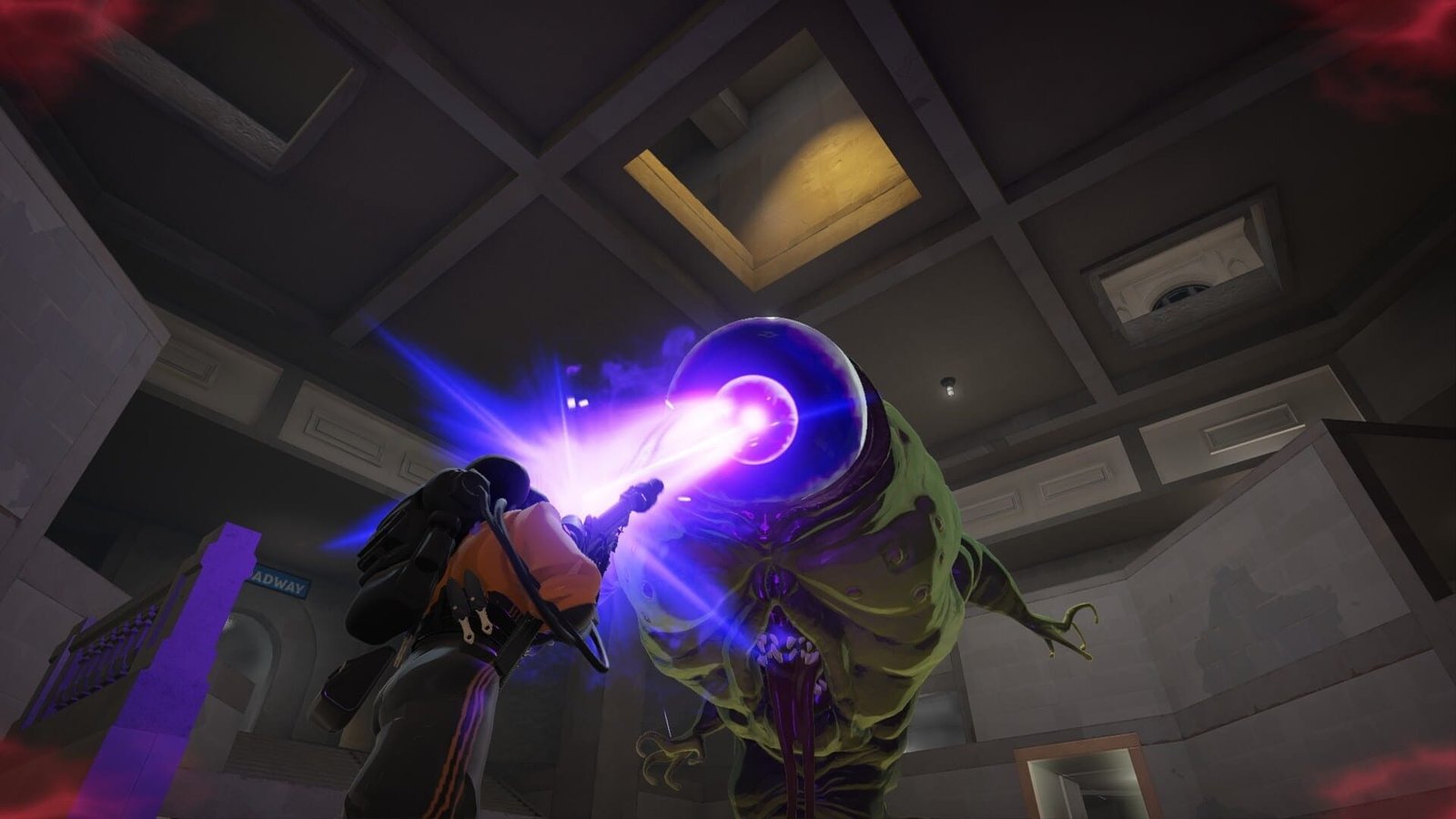
Haze shows up in enough ranked lobbies right now that facing her feels less like a matchup and more like a default condition of the game. The one-line answer to what’s going on: her kit rewards exactly the kind of isolated, low-information fights that Beta Season 1’s early matchmaking produces, and Valve’s July 30 update touched matchmaking, not heroes, so nothing about her changed. This guide covers what the community pick-rate numbers actually say, why she’s strong right now, whether banning her still makes sense under the new three-ban system, and what to actually do differently in a match against her.
En resumen
- Community trackers disagree on the exact number, but all of them put Haze’s pick rate well above average for the roster — this is fan-tracked data, not a Valve statistic
- The July 30 patch reworked matchmaking and split Standard from Ranked; it made zero hero balance changes, so Haze’s kit is untouched
- Ranked bans went from two to three per match, but bans still come from a shared “avoid list,” not a direct player veto on a specific enemy
- Lane behavior and item timing beat banning her outright, since a ban isn’t guaranteed to land on her specifically
- There’s no confirmed date for a Haze balance patch — this guide covers the current state, not a prediction
Subida de rango
Elige tu insignia actual y la de destino
What's Actually Happening With Haze in Ranked Right Now
Multiple third-party trackers have pulled numbers on Haze since Beta Season 1 opened, and they don’t agree with each other, which is the first thing worth knowing before you treat any single figure as fact. One tracker lists Haze as the most popular hero with a pick rate of 56.80%. Another puts her at 51.5% win rate with 45.4% pick rate, ranking her A-tier. A third source puts her pick rate at 79.77%, calling that an indication she’s a popular choice among Deadlock players. Community forum threads this week have gone further, with some players reporting a 97% pick rate and no nerf or patch to balance it. None of these numbers come from Valve — they’re pulled by third-party sites scraping match data, using different sample windows, rank brackets, and filters, which is exactly why they spread this far apart. Treat the specific percentage as a directional signal, not a stat to build a build around: she’s picked far more than an average roster slot, full stop, and that’s the part every tracker agrees on.
| Tracker | Reported Haze pick rate | Note |
|---|---|---|
| MetaBot.GG (heroes overview) | 56.80% | Listed as the single most-picked hero on the roster |
| Mobalytics | 45.4% | Ranked A-tier alongside a 51.5% win rate |
| MetaBot.GG (hero page) | 79.77% | Flagged as 97th percentile pick rate versus other heroes |
| Community forum estimate | ~97% | Unverified player claim, not sourced from Valve data |
If the hours are the obstacle rather than the fight itself, Boosting de Deadlock is run hands-on by a booster from your region.
Why Haze Is So Strong in the Current Ranked Meta
Part of the answer is mechanical, not balance-related. Haze is built around fixating on a target and holding her own once she’s locked onto someone, preferring to avoid extended damage exchanges in favor of picking off isolated targets up close in a style that rewards good positioning and timing. That playstyle is a near-perfect match for Beta Season 1’s early weeks: with the ranked pool still thin and hero-mastery gates forcing a lot of players into unfamiliar match qualities, lanes are looser, rotations are slower to punish overextensions, and solo kills are easier to find. Our breakdown of week-one ranked queue times covers why lobby quality is uneven right now — that same instability is part of what lets a pick-off hero snowball a lane before the enemy team can coordinate a response.
Against her, the fix isn’t a single item or a magic counter-pick, it’s denying the setup she needs. Group up rather than rotating solo through side lanes during the laning phase, since her whole kit depends on catching someone alone. Hold cooldowns for the moment she commits rather than baiting them out early, and treat any early-game item slot that grants detection or removes debuffs as a priority buy the moment she’s on the enemy team, since her openings rely on you not seeing her coming.
Consejo
Walk lane rotations in pairs during the first several minutes against a Haze pick. She wins isolated fights; she loses two-on-ones almost every time.
For a deeper hero-by-hero breakdown of exactly which picks answer her at each rank, the full Haze counters guide goes further than the general table above.
| Counter approach | Why it works | Best suited for |
|---|---|---|
| Heroes with stuns or hard lockdown | Removes her ability to disengage after committing to a pick | Intermediate to advanced players comfortable landing skillshots |
| Heroes with strong early detection tools | Denies the setup her ambush playstyle depends on | Any skill level — mostly a buy-order decision, not a mechanical one |
| High-mobility escape heroes | Lets you disengage before she finishes a burst window | Advanced players who track her cooldowns and rotate accordingly |
| Tankier frontline heroes | Soaks her burst so she can't one-shot a squishy carry | Beginners still learning matchup timing |
Bans Went From Two to Three — Should You Ban Haze or Play the Counter?
Ranked Mode’s total heroes banned per game increased from two to three in the July 30 update, and the banning algorithm itself was improved. That extra slot changes the math on whether banning Haze is worth it, but it doesn’t work the way a lot of players assume. The system works from each player selecting one hero they’d prefer to avoid before queuing, and the game randomly bans heroes from that combined avoid list across the lobby, with heroes that get avoided more often ending up banned more frequently. In other words, your ban is a vote added to a shared pool, not a guaranteed veto — if enough of your eleven other lobby-mates aren’t also avoiding Haze that match, she can still slip through even if you personally banned her.
With a third ban slot now in play, spreading your avoid preference toward whichever hero is actually punishing you personally that session is arguably a better use of the slot than reflexively avoiding Haze every game, since three community-driven avoid picks per lobby have a better chance of covering more of the problem heroes anyway. If you already know your account clears the Ranked Mode unlock requirements, that’s the same gate — 60 Standard wins and 15 wins on each hero you want ranked-eligible — that determines how many heroes you even have available to counter-pick with once she does show up.
Step-by-Step: Playing a Match Against Haze
Sigue estos pasos para hacerlo rápidamente.
-
1
Check her at the pre-game lobby
you'll see the enemy's starting lineup before the match locks in, so use the hero-swap window to adjust your own pick if you have a stronger answer unlocked for ranked.
-
2
Buy detection early
prioritize whatever early-game item slot reveals hidden or repositioning enemies the moment she's confirmed on the enemy team.
-
3
Rotate in pairs, not solo
avoid walking side lanes or jungle camps alone during the first several minutes, since isolated targets are exactly what her kit is built to punish.
-
4
Hold your disengage cooldown
don't burn escape abilities on cosmetic threats; save them for the moment she actually commits to an engagement.
-
5
Group for objectives
contest late-game objectives as a team rather than trickling in, since a Haze that's ahead on souls can pick off stragglers before your group forms up.
No Balance Changes in the July 30 Patch — What That Actually Means
The July 30 update was a revamp of the matchmaking system and the introduction of a new matchmaking mode, letting players choose between Standard (unranked) play and the new Ranked Mode. To queue Ranked at all you now need at least 60 Standard Mode wins, at least 15 wins on any hero you want available in Ranked, and at least 3 heroes unlocked that way to have a valid roster. Rank protection also softened the ladder’s edges — five games of loss protection apply when you’re on the boundary of a full Rank, so you keep your badge until you actually lose that many games. None of that is a hero change. Haze’s numbers, whatever the real figure turns out to be once more Ranked data accumulates, reflect the same kit she had before July 30. There’s no confirmed timeline for when Valve addresses her specifically, so anything beyond “unchanged for now” is speculation, not a prediction this guide is willing to make.
Note
A separate hero-balance patch reportedly landed a couple of days before the matchmaking update, but the July 30 patch itself made no hero adjustments — the two updates are easy to conflate if you’re only skimming headlines.
Eliminación de prioridad baja
El número de victorias de baja prioridad que fijes, jugadas una a una
Common Misconceptions About the Haze Problem
“Banning her guarantees she’s gone”
She isn’t removed by your ban alone. The system pools everyone’s avoid preference and randomly bans from that shared list, so your ban only raises the odds — it doesn’t force the outcome the way a draft-style veto would in other games.
“A near-100% pick rate means she’s objectively broken”
High pick rate and high win rate aren’t the same thing. Several trackers show her win rate sitting closer to the roster average even where her pick rate is inflated, which suggests a chunk of her presence is players picking her by preference or habit rather than because she’s unbeatable.
“You should always ban her at every rank”
Lower ranks and higher ranks punish different mistakes. A player who hasn’t built detection items or hasn’t learned to rotate in pairs loses to Haze regardless of who’s on the enemy team; banning her there just delays learning the actual lane fundamentals that also matter against other pick-off heroes.
Our Take: Ban Her, or Learn to Beat Her?
Nuestra opinión
Learning the counter-play sticks with you longer than the ban does.
Given that a ban is a shared-pool vote rather than a guaranteed removal, spending your avoid slot on Haze every single match is a weaker use of a limited resource than it looks. The bigger lever is fixing lane habits — grouping up, holding detection items, not overextending solo — since those fundamentals carry over against whichever hero is next month’s version of this same problem. Her pick rate will settle once a balance pass eventually lands; the habits you build countering her right now won’t stop being useful when it does.
¿Te ha resultado útil esta guía?
Servicios de Deadlock
Subida de rango
Subida de rango
Pick your current and target badge · Every division from Initiate to Eternus

Otros servicios
Eliminación de prioridad baja
The number of low-priority wins you set, played out one by one · Only wins count toward release, so the order is priced…

Subida de rango
Boosting de Ganancias netas
A set number of net ranked wins · Losses do not count against your total