
En esta página
Robberies in GTA 6 reportedly come down to one constant trade-off: speed against payout. Everything from cracking a safe to picking which car you jack feeds into that same tension, based on the closed preview coverage that followed Rockstar’s Extended Look. This guide breaks down what’s been described about safes, fences, the duffel bag and the police response, and flags the parts that are still just rumor.
En resumen
- Blowing a safe is fast but damages some of the contents; searching for the combination is slower but keeps full value.
- Police can surround a location and wait outside instead of rushing in, so lingering is riskier than in older GTA games.
- Many robbery spots reportedly have secondary exits, including back doors, to dodge a waiting cordon.
- Money exists as three separate things: your bank balance, cash on hand, and the duffel bag’s contents, which you only see mid-robbery.
- Loot and stolen cars go to different fences, and a banged-up car reportedly sells for less.
What Are Robberies and the Money System in GTA 6?
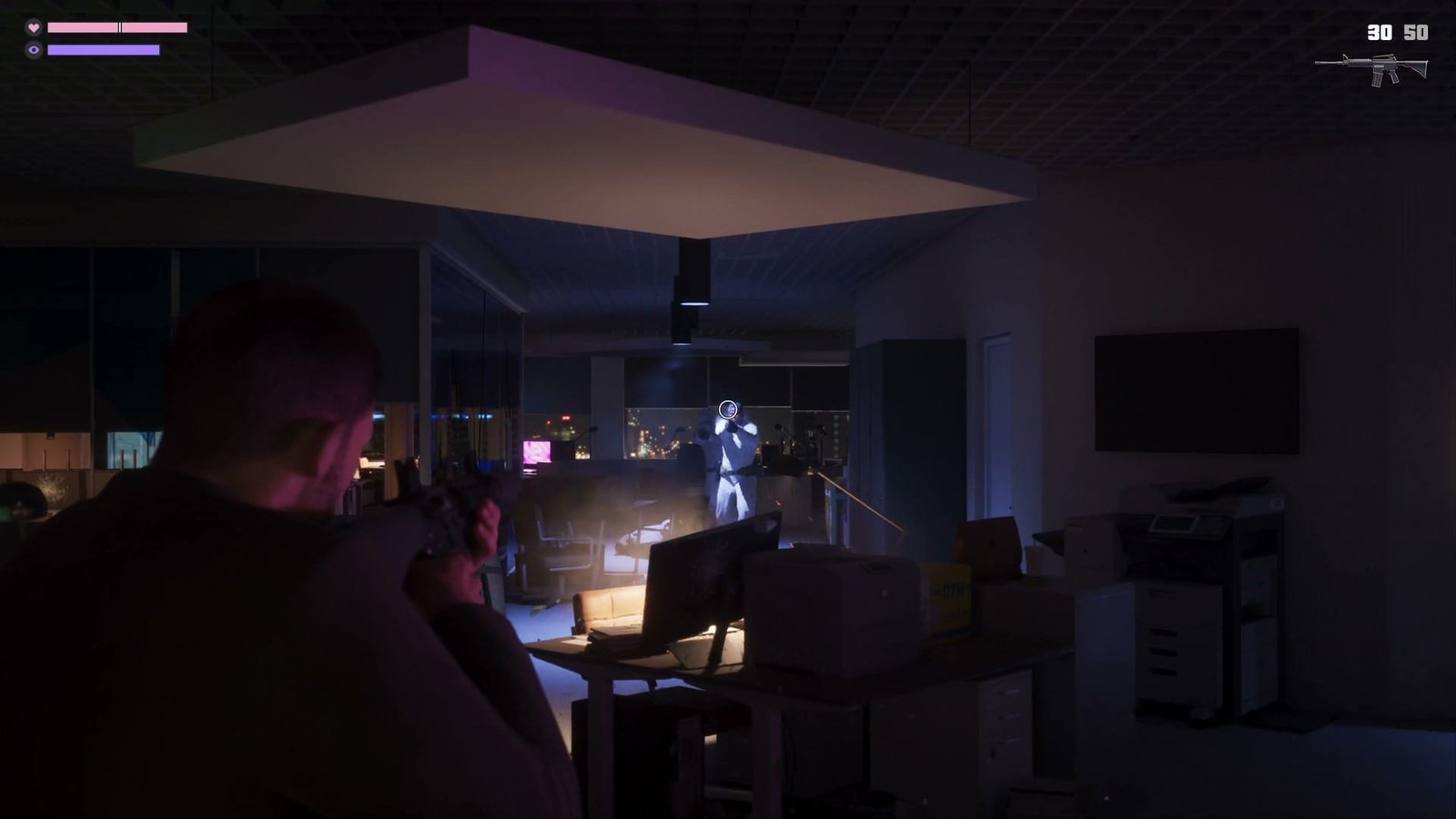
Robberies are the game’s hands-on way of generating cash outside story missions and side jobs — walking into a store or bank, controlling the room, and leaving with whatever you can carry before the situation turns hostile. According to the preview coverage that followed Rockstar’s Extended Look, robberies are built around the choice between escaping quickly and stealing as much as possible, since blowing open a safe is faster but the explosion may damage some of the valuables inside, while searching for the combination takes longer but preserves the full value of its contents. That single choice — dynamite versus patience — is the core loop the rest of the system is built around.
Money then splits into three separate pools rather than one number. Your bank balance is the safe long-term total; cash on hand is what’s physically on your character and can be lost; and the duffel bag is a running tally of whatever you’ve grabbed during the robbery itself, which you can’t see until you’re actually inside doing the job. Reporting on the same preview batch noted that money can be stored on your character or in a bank, and dying or getting caught loses the cash on your character, incentivizing players to make deposits.
| Money type | Where it lives | Can you lose it |
|---|---|---|
| Bank balance | Off your character entirely | Reportedly safe once deposited |
| Cash on hand | Carried by your character | Lost on death or capture |
| Duffel bag total | Visible only during the robbery | Can be reduced by an explosion or a botched escape |
Players short on time can put Boosting de Grand Theft Auto 6 alongside a normal playthrough rather than in place of one.
Where the Loot Actually Goes: Fences for Goods and Cars
Jewelry, cash and other valuables don’t convert straight into spendable money — they need to be offloaded first. The preview coverage is specific that stolen goods and stolen vehicles go through separate channels rather than one all-purpose vendor, and that a car’s condition on arrival changes what it’s worth. Stolen jewelry, vehicles, and other valuables must be sold through specialized fences, and vehicle fences may provide information about valuable cars stored in locations such as police impound lots. On the driving side, stolen cars are reported to lose value when they are delivered to a fence with visible damage, and delivering vehicles in good condition will be more challenging because Vice City has narrower roads and denser traffic. That’s a genuine first for the series — careful driving stops being a style choice and starts being part of the payout.
| Fence type | What it takes | What affects the payout |
|---|---|---|
| Goods fence | Jewelry and other stolen valuables | Reportedly tied to condition and rarity of the item |
| Vehicle fence | Stolen cars | Visible damage cuts the sale value; tighter Vice City traffic makes clean deliveries harder |
The Safe vs Combo Decision: What You Win, What You Pay
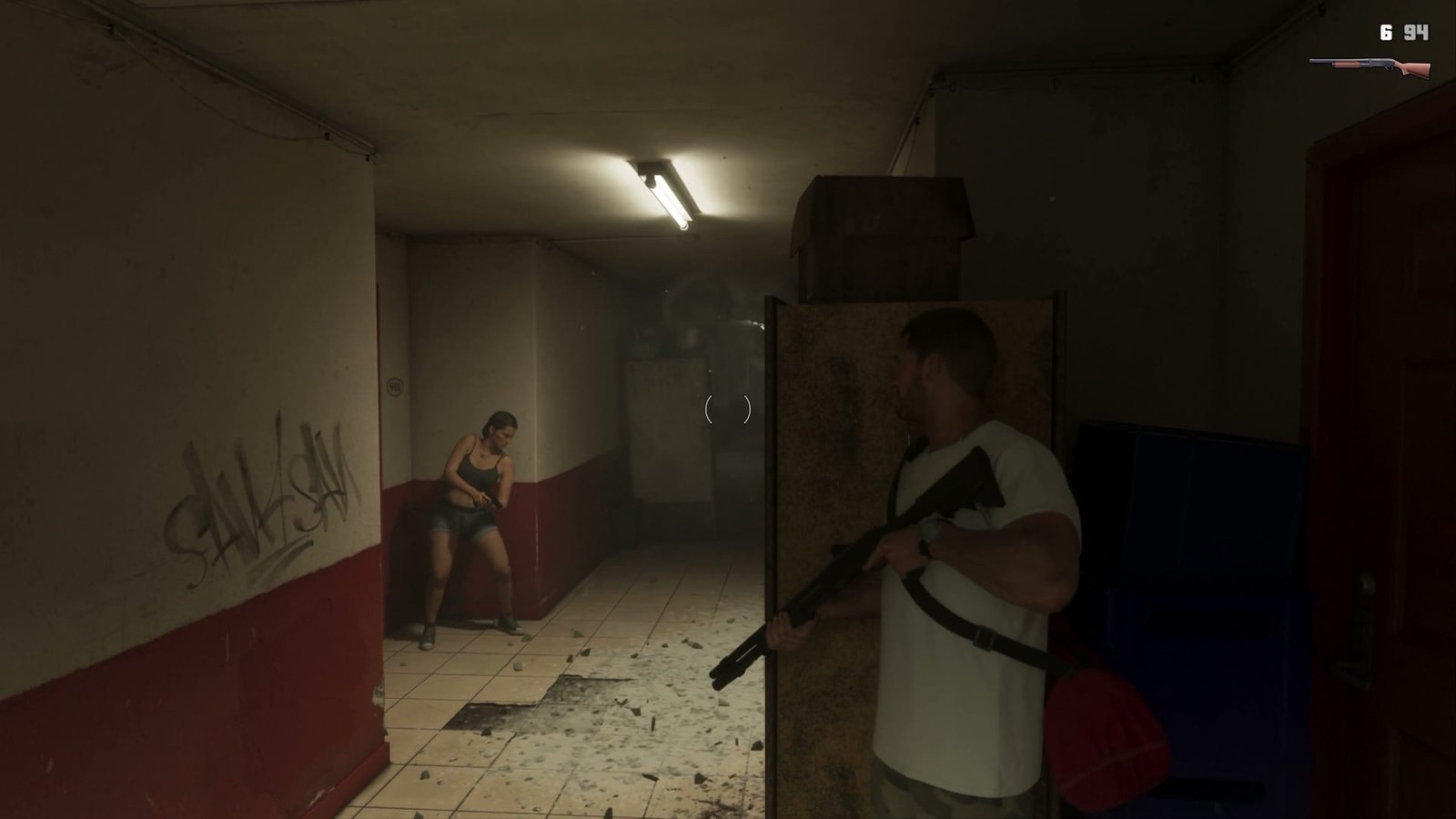
This is the decision the whole robbery hinges on, and it’s worth laying out plainly because it repeats every time you hit a store or bank. Speed is bought with money, and patience is bought with exposure — the longer you stay, the more time the police have to arrive and set up outside rather than storming in immediately. Spending additional time inside a robbery location increases the chance that police will arrive before the player escapes, and officers can surround a store or bank and wait for Jason and Lucia to come outside. Fortunately that isn’t a dead end: many robbery locations include secondary exits that can be used to avoid the police.
Advertencia
Standing around after the safe is open is reportedly the actual mistake, not the type of safe you picked. If a squad car is already parked outside waiting, walking out the front the way you came in is the wrong call — check for a second exit first.
| Decision | What you win | What you pay |
|---|---|---|
| Blow the safe | Fast exit, less time exposed to police response | Explosion damages part of the contents, cutting the total payout |
| Crack the combination | Full value of the safe's contents preserved | More time spent inside, higher odds police arrive and set up outside |
| Suppress the clerk | Buys extra seconds without an alarm going off immediately | Clerks can reportedly fight back, so it isn't a guaranteed stall |
| Use a back exit | Avoids a cordon that's already formed outside the front | Not every location has one, and you have to know the layout beforehand |
Suppressive Fire and Why the Clerk Isn't a Pushover
One tactic described in the preview material is using gunfire aimed away from the clerk to intimidate them into compliance rather than shooting to kill — a way to buy time without immediately escalating into a firefight. That sounds like a free stall tactic, but it isn’t guaranteed. The clerk isn’t scripted to just freeze: some staff will reportedly resist, meaning the intimidation approach can fail and tip the robbery into a straight shootout, which burns the time you were trying to save in the first place.
Step-by-Step: How a Store Robbery Plays Out
Sigue estos pasos para hacerlo rápidamente.
-
1
Scope the location before committing
knowing whether a back exit exists changes whether you even attempt the job.
-
2
Control the room
get eyes on the clerk and any customers before going for the register or safe.
-
3
Choose speed or value on the safe
blow it for a fast exit at reduced value, or work the combination for the full amount at the cost of time.
-
4
Watch how long you've been inside
the longer the job runs, the more likely a unit is already parking outside rather than driving in.
-
5
Pick your exit before you're forced to
a front door with police waiting is worse than a back exit you scouted in step one.
-
6
Get the take to a fence
the duffel bag total only becomes real money once it's actually sold, and a getaway car left dented won't help if you're also fencing it afterward.
What's Confirmed vs What's Still Just a Leak or Summary
Everything above about the safe trade-off, police waiting outside, secondary exits and the two fence types traces back to the closed preview coverage of Rockstar’s showing, which is the closest thing to an official description available right now. A couple of related claims are floating around in broader roundups without the same level of confirmation, and they’re worth flagging separately rather than folding into the rest.
ATMs as the only deposit method
Some summaries state that depositing cash into your bank balance requires physically visiting an ATM rather than doing it through a phone app. That tracks with the three-way split between bank, cash and duffel bag described above, but it hasn’t shown up in the detailed preview breakdowns, so treat it as plausible rather than confirmed.
Funding your own criminal operations
There’s also talk of certain story-driven jobs requiring you to front your own money before you can run them, turning early robberies into a way to bankroll bigger operations rather than an end in themselves. Again, this is circulating in broader coverage summaries rather than the hands-on preview material, so it’s an unconfirmed detail worth waiting on.
Common Misconceptions About GTA 6 Robberies
“Blowing the safe is always the better play”
It’s the faster play, not the better one. The explosion is described as damaging part of the contents, so every safe you blow is a smaller payout than the same safe cracked patiently — you’re trading money for a shorter exposure window, not getting a free upgrade.
“You can just walk out the front door when you’re done”
Not reliably. Because officers can reportedly surround the location and wait rather than rush in, the exit you used to get in isn’t guaranteed to be clear when you’re ready to leave, which is exactly why secondary exits are called out as a real feature rather than a nice-to-have.
“Stolen goods and stolen cars go to the same place”
They don’t. The preview material draws a clear line between fences that handle jewelry and other valuables and fences that specifically deal in vehicles — and only the vehicle side is described as caring about the car’s condition on delivery.
Our Take: Is the GTA 6 Robbery System Worth Engaging With Early?
Nuestra opinión
The safe-versus-time trade-off is the most honest robbery mechanic Rockstar has described for this game so far.
Tying payout directly to how carefully you play, rather than just how well you shoot, is a meaningful step up from GTA 5’s robbery loop, where speed rarely cost you anything real. The bigger unknown is scale: nothing confirmed so far tells us how big the gap is between a rushed safe and a patient one, or how often a location actually has that back exit when you need it. Until the game is out and players can actually compare payouts side by side, every specific number attached to this system online is a guess dressed up as a fact.
Sources and Confidence
Rockstar has officially confirmed only the presentation itself, that it was captured in-game on PlayStation 5, and the release date. Everything else below comes from press previews. This table says which is which.
| Claim | Where it comes from | Estado |
|---|---|---|
| Blowing a safe is faster but damages the contents | IGN preview, relayed by GTAVice | Preview |
| Police can surround a store and wait outside | Vice | Preview |
| Many locations have a second exit | Vice | Preview |
| Separate fences for goods and for vehicles | Vice | Preview |
| A damaged car is worth less to a fence | IGN preview, relayed by GTAVice | Preview |
| ATM-only deposits; funding your own jobs | Circulating in social roundups only | Unconfirmed |
¿Te ha resultado útil esta guía?