
On this page
Battlefield 6 Season 4 ‘Naval Warfare’ launches July 21, 2026, bringing the series back to the water with the largest map in franchise history. This guide covers everything you need to prepare for Tsuru Reef, set off the coast of southern Japan, the new RCB-90 patrol boat equipped with a cannon, twin heavy mortars, and guided torpedoes, and the arsenal you should prioritize once the season goes live.
TL;DR
- Season 4 launches July 21 with Tsuru Reef, the largest Battlefield map ever, featuring islands, open water, and beach-assault zones
- RCB-90 patrol boat brings heavy firepower (cannon, twin mortars, guided torpedoes, naval mines) and serves as a mobile spawn point
- Lighter 7.7m NSW RHIB handles speed runs and stealth flanks while RCB-90 controls coastal objectives
- Interdictor long-range sniper rifle is confirmed among four new weapons
- Wake Island returns later in the season with carrier-based headquarters and full naval support
What Is Naval Warfare in Battlefield 6
Season 4 Naval Warfare is all set to release on July 21, 2026, marking the first time Battlefield 6 integrates ship-to-ship combat as a core mechanic. This season will feature their largest map ever, dynamic waves, new vehicles and weapons, and all-out warfare across land, air, and sea. The update is built around amphibious assaults, carrier-based operations, and coordinated squad play between boats, aircraft, and ground vehicles, bringing back the combined-arms philosophy that defined Battlefield 4’s naval engagements.
The massive Tsuru Reef and the return of Wake Island will both feature aircraft carriers with operational flight decks, new naval vehicles, and a dynamic wave system. Expect boat combat to intersect with traditional infantry pushes and armor columns, creating three-layer battles where controlling the water routes dictates which team can rotate fastest between objectives.
Players short on time can put Battlefield 6 boosting alongside a normal playthrough rather than in place of one.
Tsuru Reef Map Layout and Key Zones
The developers describe it as the largest battlefield in Battlefield 6 to date. Tsuru Reef is even larger than “Railway to Golmud” from Season 3—which was itself nearly four times the size of “Mirak Valley.” Tsuru Reef combines island terrain, beach assaults, open water, and areas that are catered for infantry pressure, with dense jungle outposts on the islands, connected by shallow sandbars and deep-water channels that require constant coordination between vehicle squads and infantry.
Island Objectives and Infantry Chokepoints
The map is set across a wide oceanfront combat space, bringing together island terrain, beach assaults, open water, and areas designed for infantry pressure. Players can expect a mix of vehicle combat and on-foot engagements, with room for boats, aircraft, armor, and squads pushing across key points of control. Smaller islands will host concentrated firefights while larger landmasses support armor spawns and helicopter pads.
Open Water Routes and Beach Landing Zones
This large Battlefield map packs in miles of coastline, open water and multiple combat areas that are all connected by sea travel. Battles will take place both on foot with ground vehicles as well as the new additions from the sea. Shallow sandbars may allow lighter vehicles to cross between islands, while deeper channels will require boats or air transport, making water control essential for squad rotations.
Aircraft Carriers and Spawn Mechanics
Tsuru Reef and the return of Wake Island will both feature aircraft carriers with operational flight decks. These carriers likely serve as home-base spawn points for jets and helicopters, similar to Battlefield 4’s Paracel Storm and Gulf of Oman, and may also provide repair zones for damaged boats.
Tip
A key feature is the dynamic wave system, which impacts gameplay and offers tactical advantages—expect waves to disrupt aiming stability on boats and create opportunities to mask movement during amphibious landings.
RCB-90 Patrol Boat Capabilities and Loadouts
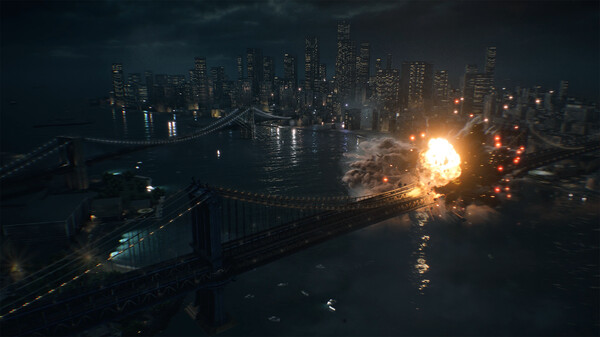
The RCB-90 is a patrol boat equipped with a cannon, twin heavy mortars, and guided torpedoes that can also deploy naval mines and serve as a spawn point. This makes it the backbone of any naval push—heavier firepower than the RHIB, mobile spawn utility, and enough armor to survive sustained engagements.
The main seat (driver) has at its disposal a cannon, missiles, guided torpedoes and naval mines, meaning the pilot controls most of the offensive systems, while the gunner handles the mortar for indirect support. Coordination between driver and gunner will be critical—driver focuses on direct threats and positioning, gunner lobs mortar rounds over dunes to soften defenders.
| Weapon System | Function | Best Use Case |
|---|---|---|
| Cannon | Primary direct-fire weapon | Shredding light vehicles, suppressing infantry on beaches |
| Twin Heavy Mortars | Gunner operates mortar which can be armed with HE rounds, IR smoke shells, airbust shells and more | Indirect fire on entrenched positions, breaking coastal defenses |
| Guided Torpedoes | Fire-and-forget anti-vehicle missiles | Sinking enemy boats, damaging static emplacements |
| Naval Mines | Deployable area denial | Blocking shallow channels, protecting captured objectives |
| Mobile Spawn | It serves as a mobile spawn point, making it essential for capturing coastal objectives | Sustaining beach assaults, rapid reinforcement |
7.7m NSW RHIB and Dual-Boat Squad Tactics
A lighter transport craft rounds out the pair for players who want speed over firepower. The RHIB (Rigid Hull Inflatable Boat) is the go-to choice for Spec Ops squads looking to flank entrenched enemies without being detected by heavy radar. Its smaller profile and higher speed make it ideal for inserting squads onto undefended islands or rushing behind enemy lines while the RCB-90 draws attention.
How a Squad Should Run RCB-90 and RHIB Together
Run one RCB-90 as the anchor boat with four squad members: driver, gunner, and two engineers for repairs. Position it near contested objectives to serve as a spawn beacon and fire-support platform. Meanwhile, deploy a second squad in the RHIB to flank distant objectives or intercept enemy boats trying to rotate. The RHIB’s speed lets it outrun most threats, and if it secures an island, the RCB-90 can push forward to consolidate the gain with its spawn mechanic.
RHIB squads should focus on speed harassment—plant charges on undefended boats, capture outlying flags, and extract before heavy armor arrives. The RCB-90 holds the line while RHIB teams create chaos across the map.
Step-by-Step: Beach Assault Approach on Tsuru Reef
Follow this sequence to get it done fast.
-
1
Secure open-water spawn with RCB-90
Position the patrol boat within spawn range of the target beach but outside direct line-of-sight from coastal defenses. Use the mortar to suppress entrenched infantry.
-
2
Deploy RHIB for flanking insertion
While defenders focus on the RCB-90, send a RHIB squad to a secondary landing zone on the island's opposite side. Capture the far objective to split enemy attention.
-
3
Use guided torpedoes on static defenses
Before the main push, eliminate any gun emplacements or parked armor with the RCB-90's torpedoes. Clear the beach of heavy threats first.
-
4
Land infantry from the spawn boat
Once suppression is effective, spawn directly on the RCB-90 and swim the final meters to shore. Medics and Support should land first to establish a rally point.
-
5
Push the RCB-90 closer for sustained fire
After the beachhead is secure, advance the patrol boat into shallow water to provide direct cannon fire on the next inland objective. Deploy naval mines behind your position to prevent counterattacks from enemy boats.
-
6
Rotate RHIB to the next island
Once the objective is capped, the RHIB squad should immediately move to the next target while the RCB-90 holds the current position as a fallback spawn.
New Weapons and What to Level First
The arsenal is expanding with four new weapons, among them the Interdictor long-range sniper rifle. According to dataminers, the season will also introduce the EF88 Assault Rifle, BREN 3 Carbine, and VSSM DMR, though the developers have not yet revealed the full list. Only the Interdictor has been officially confirmed by Battlefield Studios.
Level the Interdictor first if you plan to hold elevated positions on islands—its extreme range will let you disable enemy boat drivers before they reach landing zones. The EF88 and BREN 3 are expected to handle the bulk of infantry combat once their stats are revealed, but until official confirmation, focus on weapons you can verify in-game on July 21.
Note
The EF88, BREN 3, and VSSM are sourced from datamines and Battlefield Labs playtest leaks—EA has not officially confirmed these names. Expect the full arsenal reveal in the July 21 patch notes.
Wake Island Reimagined for Naval Combat
Wake Island returns later in Season 4, reimagined for Battlefield 6; as one of Battlefield’s most recognizable locations, Wake Island carries a long history for the franchise, and for its return the team is updating the map for the scale, systems, and modern setting of Battlefield 6 while preserving the identity that has made it a fan-favorite across the series. This version of Wake Island is being built with Naval Warfare in mind, with carrier-based headquarters helping frame the fight from both sides of the island while additional changes to the combat space support naval engagements around the map.
Unlike Tsuru Reef’s sprawling archipelago, Wake Island historically focuses on a singular, narrow landmass with water on both flanks—expect boat combat to run parallel to the main infantry push, with teams using RCB-90s and RHIBs to outflank defenders who commit too heavily to the center line. Carrier-based spawns mean air superiority will matter even more here, as jets and helicopters can shut down boat rotations if left unchecked.
Leveling Priority for Season 4
When Season 4 drops on July 21, prioritize unlocking the RCB-90’s full loadout first—its spawn utility and firepower make it the most impactful vehicle on Tsuru Reef. Focus on the guided torpedoes and naval mines early, as these will give you the tools to control water routes and deny enemy boat movement.
For weapons, level the Interdictor immediately if you main Recon. Long sightlines across open water mean sniper picks will dictate which team controls boat spawns. If you prefer infantry play, wait for the official weapon stats before committing to the EF88 or BREN 3—these are still unconfirmed, and you do not want to waste early progression on a gun that does not fit your playstyle.
On the vehicle side, jets and helicopters remain critical for controlling the airspace above Tsuru Reef. If you already have air vehicle unlocks from previous seasons, you will have an immediate advantage—use that to shut down enemy boats during their rotations between islands.
Dynamic Wave System and Tactical Implications
A new Dynamic Wave System will be introduced that will allow ocean conditions to actively disrupt aiming stability and mask player movements. This means your boat will pitch and roll in heavier seas, making precision shots with the cannon harder to land at range. Compensate by getting closer to targets during rough water, or time your shots during the trough of a wave when your boat is momentarily stable.
Waves also create opportunities for stealthy approaches—RHIB squads can use wave peaks to break line-of-sight with defenders, closing distance before being spotted. Conversely, defenders should watch for boats appearing suddenly over wave crests, as the system can mask movement until the last second.
Common Mistakes to Avoid on Tsuru Reef
Treating the RCB-90 Like a Tank
The RCB-90 has heavy firepower but limited armor compared to ground vehicles. Do not push directly into defended beaches without suppression—use the mortar first, then advance once infantry has cleared AT threats. A single Engineer with a rocket launcher can disable your spawn boat if you overextend.
Ignoring Naval Mines
Shallow channels are death traps if the enemy team deploys mines properly. RHIB pilots should stick to deep water when possible, and Engineers on RCB-90s should carry a repair tool to recover from mine damage. Never rush blindly through sandbars without checking for mines first.
Splitting the Squad Across Too Many Boats
Running three RHIBs with one player each is less effective than concentrating your squad on one RCB-90 and one RHIB. The spawn utility of the patrol boat only matters if your squad actually uses it—solo boat players cannot hold objectives or repair under fire, and they will lose their boats to coordinated squads every time.
Our Take: Is Season 4 Worth the Return
Our Take
Season 4 fixes Battlefield 6’s biggest problem—map scale—but the naval meta will take weeks to settle.
Tsuru Reef is the first map since Railway to Golmud that actually feels like Battlefield. The combination of open water, amphibious assaults, and three-layer combat brings back the sandbox chaos that made Battlefield 4’s naval maps so replayable. If DICE nails the balance between boats, air, and infantry, this could be the season that pulls lapsed players back.
That said, the dynamic wave system is an unknown variable. If waves disrupt aiming too aggressively, boat combat might feel frustrating rather than tactical. The same goes for the RCB-90’s spawn mechanic—if it is too easy to camp a patrol boat in deep water and spam spawns, defenders will struggle to hold beach objectives. Expect balance patches in the first few weeks as the meta stabilizes.
Wake Island’s return later in the season is a safe play—it is a proven map layout, and carrier-based spawns will give it the naval integration it needs. The weapon additions are solid if the datamined names hold up, though only the Interdictor is confirmed. Level that sniper first and worry about the rest once patch notes drop.
Honestly, this is the content Battlefield 6 needed six months ago. If you burned out on small maps and left during Season 2, July 21 is the time to reinstall.
Was this guide useful?